Regional roundup: humanitarians report 30 aid interventions in Afghanistan; rights group alleges secret executions in Iran; UN sets day to fight child marriage
Humanitarian and human rights concerns mounted across Afghanistan and the region on multiple fronts: the UN recorded 30 interventions in aid distributions since July, including violent incidents against staff, while rights group Hengaw alleges two secret executions in Iran. Other developments included diplomatic meetings between Taliban officials and Russian representatives, renewed tensions with Pakistan, and a UN General Assembly resolution establishing 27 November as an international day to combat child, early and forced marriage.
By Clémence Desjardins
899 views
A series of human rights, humanitarian and diplomatic developments across Afghanistan and neighbouring countries were reported this week, highlighting pressures on aid delivery, concerns over due process and the continuing international debate over the protection of women and children.
In Kabul and beyond, the UN Office for the Coordination of Humanitarian Affairs (OCHA) reported that it has registered 30 incidents of interference in the distribution of humanitarian assistance since July. According to an OCHA statement published on its website, 16 of those incidents involved violence against humanitarian staff. The UN agency said the majority of incidents were recorded in southern provinces and included interference in hiring, requirements for male chaperones for female staff, restrictions on staff movements and obstacles to public access at distribution points. OCHA also said two of its staff were detained in Herat and were subjected to violence while in custody; the agency did not identify who was responsible for the detentions.
The OCHA findings come as humanitarian needs in parts of Afghanistan continue to rise. Heavy rains and flooding in eastern provinces in recent days have caused fatalities and significant damage, and the Meteorological Directorate of the Taliban-run Ministry of Transport and Civil Aviation warned of further heavy rain, lightning and flash floods on Sunday, 15 Sunbula (September 15) across 11 provinces. The agency said rainfall amounts in affected areas could range from 10 to 35 millimetres and that strong winds and dust storms with speeds of 50 to 90 kilometres per hour were forecast in western, southeastern, eastern and central regions.
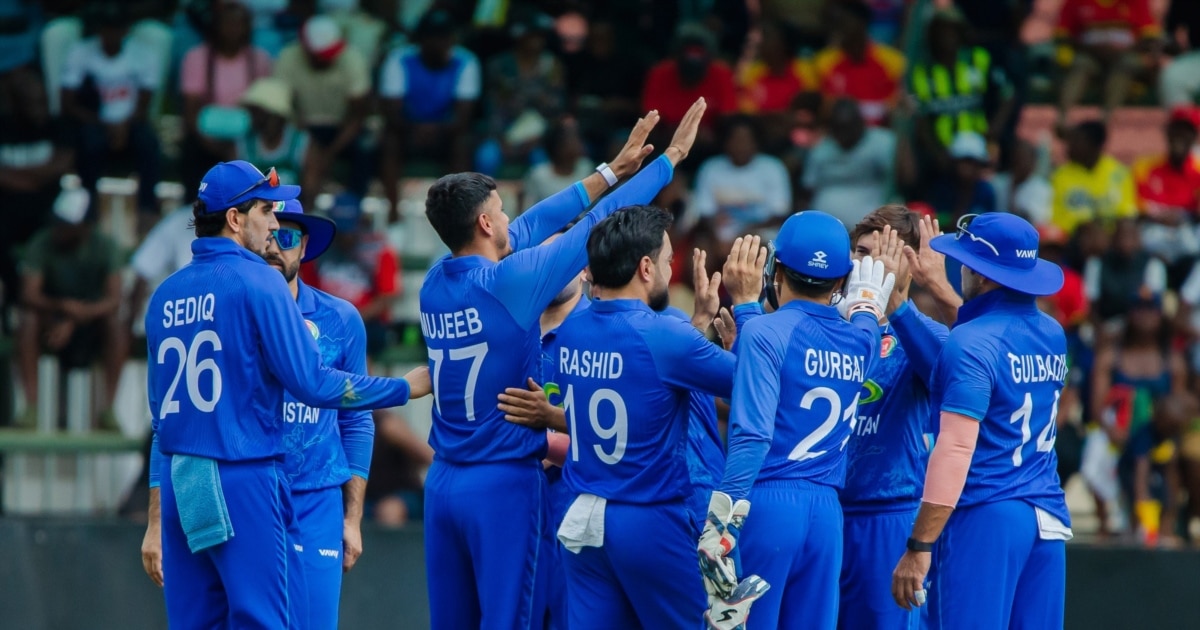
Meanwhile, the Afghanistan Cricket Board announced a three-match Twenty20 series against India to be played in New Delhi from 13 to 17 September. Former India captain Chris Srikkanth criticized the Indian selection, saying the side chosen for the series was overly strong and that India should have used the tour to give opportunities to younger players after recent losses to Ireland and England. High-profile Indian players named for the series included Jasprit Bumrah, Sanju Samson and Ishan Kishan. Afghanistan’s squad, selected by its cricket board, will be led by Rahmat Shah.
In northeastern Afghanistan, provincial officials reported the death of a foreign tourist in Badakhshan. Government-affiliated media cited officials from the state-owned company AfghanTour as saying the tourist, named Charles and described as an Australian citizen, suffered a heart attack while visiting the Wakhan corridor and died two days after the incident. The tourism ministry’s reports noted an uptick in foreign visitors to Afghanistan in recent months, but also cautioned that travel to remote districts of mountainous Badakhshan remains difficult due to poor roads and other logistical challenges.
At the regional diplomatic level, Afghanistan’s acting foreign minister Amir Khan Muttaqi met Dmitry Zhirnov, Russia’s ambassador in Kabul, in discussions that state-controlled Bakhtar news agency said emphasized strengthening bilateral ties. Bakhtar additionally reported that the meeting included exchanges on regional developments, and described Russia as a country that has maintained diplomatic presence in Kabul since the Taliban’s return to power in August 2021. The report also noted that Moscow remains concerned about threats from the Islamic State Khorasan Province (ISKP), which has claimed attacks both inside Afghanistan and abroad.
Pakistan’s government also carried out diplomatic consultations related to Afghanistan, summoning its ambassador in Kabul, Obaid-ur-Rehman Nizamani, back to Islamabad for talks. Pakistani media outlet The Nation reported that Nizamani met Pakistan’s Foreign Minister Muhammad Ishaq Dar after his return to discuss security developments and matters affecting Pakistan directly. Ties between the Taliban authorities in Kabul and Islamabad have been strained recently, compounded by the prolonged closure of major trade routes and other disagreements.
The Afghan embassy in Islamabad—under Taliban control—said a delegation visited the Chakwal area in Punjab to address reports of auctioned properties belonging to Afghan nationals. The embassy said it would discuss legal avenues with Pakistani authorities; the statement came after Afghan migrants told Radio Azadi they had been deported from Pakistan and left behind property and assets without explanation. Pakistani expulsions of Afghan migrants continue to be reported.
Human rights concerns extended beyond Afghanistan’s borders: the Iranian rights group Hengaw published photographs and said two men, named Ansar (52) and نظیف رسولخوانده (46), were secretly executed in Mashhad’s central prison on the morning of Wednesday, 11 Sunbula (September 11). Hengaw said family members were not notified in time for final visits and that the two men had been convicted and sentenced to qisas (retribution/punishment) roughly two years earlier in a joint case alleging the murder of two people. The group, which monitors human rights violations in Iran—particularly in Iranian Kurdistan—has previously reported that Iran carried out at least 109 executions in June, including five Afghan nationals.
On the international policy front, the UN General Assembly on Friday, 13 Sunbula (September 13), unanimously adopted a resolution establishing 27 November as the “International Day for the Elimination of Child, Early and Forced Marriage.” The resolution aims to raise global attention to the consequences of child marriage and to mobilize actions to prevent early and forced unions. UN Women warned in a report last year that, following the Taliban’s return to power and the imposition of broad restrictions on women and girls, child marriage in Afghanistan could increase by as much as 25 percent by the end of 2026. The Taliban’s recently published family code in an official gazette has in some clauses treated certain child marriages as “صحیح”, a term used in the text.
Taken together, these reports illustrate a region confronting a mix of humanitarian crises, rights abuses and tense diplomacy. Humanitarian agencies warn that interference in aid operations and threats to staff undermine efforts to reach vulnerable populations, while rights groups highlight continuing concerns over due process and capital punishment in neighbouring states. International steps such as the UN’s new observance day on child marriage underscore the broader concern for the protection of women and children in contexts where legal and social protections are under strain.