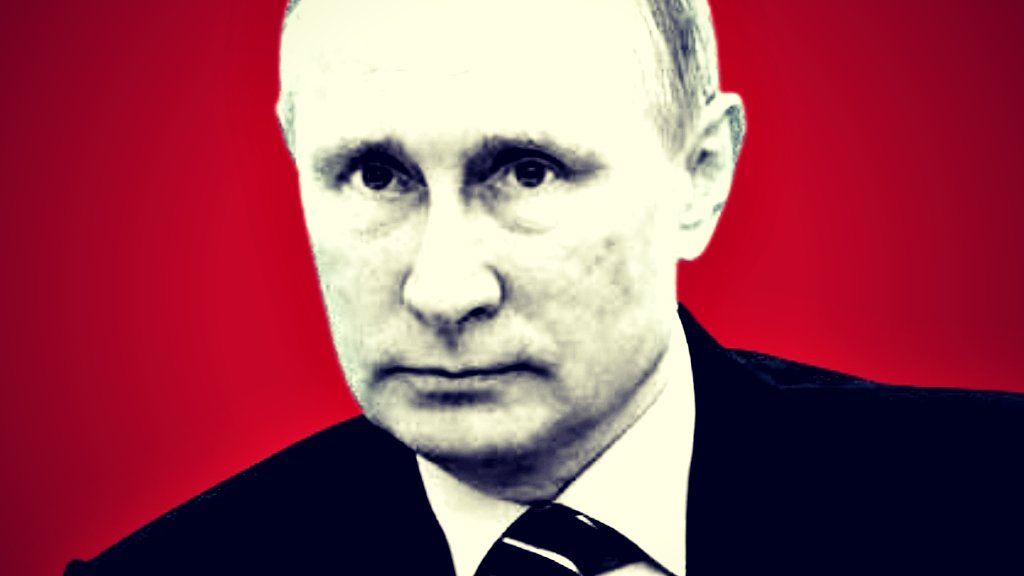
Putin Orders Short Orthodox Easter Truce in Ukraine, Says He Expects Kyiv to Follow
Russian President Vladimir Putin announced a temporary halt in offensive operations against Ukrainian forces over the Orthodox Easter weekend, directing troops to pause from 16:00 on April 11 until the end of April 12, 2026. The Kremlin said forces should remain ready to respond to any Ukrainian offensives or provocations; Putin said he assumed the Ukrainian side would follow Russia’s example.
By Paul Serran
990 views
Russian President Vladimir Putin has ordered a short, unilateral ceasefire in the conflict with Ukraine to mark Orthodox Easter, the Kremlin announced on April 9. According to the statement, the pause in offensive operations is to begin at 16:00 (Moscow time) on April 11 and continue until the end of the day on April 12, 2026. The Kremlin simultaneously instructed military commanders to keep forces prepared to react in the event of Ukrainian offensive actions or provocations.
The announcement names senior military figures who received relevant orders, including Defense Minister Andrey Belousov and Chief of the General Staff Valery Gerasimov. Kremlin statements emphasized that while offensive actions would be suspended, Russian units were not to abandon readiness to defend against any attacks, underscoring that the pause is unilateral and conditional on battlefield circumstances.
Putin framed the pause as an opportunity to gauge Kyiv’s intentions. He said, “We assume Ukrainian side will follow Russia’s example,” asserting that the temporary halt would help determine “how sincere Kiev is about wanting to reach a ceasefire,” according to Kremlin accounts. In other remarks reported by Russian media, Putin said 'all hostilities' would halt between 6 p.m. Moscow time on Saturday (11 a.m. ET) and midnight on Monday (5 p.m. Sunday ET), language that commentators noted appeared to reflect slightly different formulations of the timing.
Hours after the announcement, Putin attended an Orthodox Easter service at Moscow’s Cathedral of Christ the Savior, accompanied by Moscow’s mayor Sergei Sobyanin and other worshippers, Reuters reported. At the service, he was seen holding a lit red candle and making the sign of the cross as Patriarch Kirill led the liturgy. Patriarch Kirill, head of the Russian Orthodox Church, has been a public supporter of Putin and a vocal proponent of the war in Ukraine.
The timing of the truce follows broader regional developments: the world has been observing a fragile two-week ceasefire in Iran, and commentators suggested that Russia’s announcement adds another temporary pause in active hostilities in a separate conflict zone tied to a religious observance. Kremlin spokespeople and Russian state outlets circulated the president’s orders and the president’s portrayal of the ceasefire as a test of Kyiv’s willingness to reciprocate.
There was no immediate official response from Kyiv in the Kremlin announcement. The Russian statement and Putin’s public appearance at the Easter service place the ceasefire in a political as well as military context, signaling a mixture of religious symbolism and strategic messaging. Orders to senior military leaders to maintain combat readiness suggest Moscow intends the pause to be limited and reversible should conditions change on the ground.
Analysts caution that unilateral ceasefires during religious holidays have historically been fragile, and the requirement that forces remain able to respond highlights both the humanitarian and tactical dimensions of such stoppages. For civilians and combatants in affected areas, even a short halt in hostilities can offer respite and limited humanitarian movement, but the effectiveness and durability of the pause will depend on whether both sides adhere to the announced terms.
The Kremlin released a fuller statement and supporting materials alongside the announcement, and social media accounts monitored the timing and wording of the pause. As of the Kremlin’s announcement, the declared truce was slated only for the Orthodox Easter weekend and did not indicate any extension or a broader diplomatic agreement toward a permanent ceasefire.