Putin Limits Regional Travel Amid Kremlin Security Fears as Polling and Messaging Shift
According to Kremlin-linked and international reporting, President Vladimir Putin has sharply reduced his travel outside Moscow this year, citing security concerns. Media investigations and unnamed Kremlin sources say fears of assassination plots and exploitable surveillance feeds have prompted changes to protective measures and information strategies, while state polling on trust has been suspended as the Kremlin seeks to manage public perception.
By Blake Marriott
900 views
Vladimir Putin has dramatically scaled back trips outside the Russian capital this year, according to reports citing a Kremlin source and international press investigations. A Telegram channel, Faridaily, quoted a Kremlin insider saying that for security reasons the president avoided regional travel and, in the first five months of the year, left Moscow only for visits to St. Petersburg. Those appearances included events marking the lifting of the Siege of Leningrad and the St. Petersburg International Economic Forum (PMEF).
The Financial Times reported that in the aftermath of the killing of Iran’s supreme leader Ali Khamenei, Russian special services temporarily shut down a closed surveillance system used in part for guarding the president. Sources cited by the FT said Kremlin officials were concerned that information from security cameras could be intercepted or otherwise used by Western intelligence services. The shutdown of a protective surveillance network highlights the heightened climate of fear among Russia’s security apparatus, according to those accounts.
Journalists working for Важных историй, CNN and the Financial Times have written about growing alarm inside the Kremlin about the possibility of a conspiracy or an attempt on Putin’s life. Those outlets reported that anxiety over potential plots has become a topic of discussion within elite circles, with at least some reports even naming Defense Minister Sergey Shoigu among those alleged by some to be part of imagined conspiratorial scenarios. The reporting frames heightened internal mistrust and defensive measures as factors shaping both Kremlin security practices and political messaging.
Domestically, the polling body ВЦИОМ drew attention after it stopped publishing its trust rating for the president following a drop below 30 percent, The Moscow Times reported. The suspension of regular publication of that data coincided with what observers described as a stepped-up effort by pro-government media to stage and prominently cover foreign trips designed to shore up Mr. Putin’s public standing. Moscow Times noted that two foreign visits — to China and then to Kazakhstan — received broad coverage in state-aligned outlets and were widely characterized as attempts to bolster the president’s image.
Taken together, the reporting suggests a Kremlin operating on two simultaneous fronts: attempting to reduce visible vulnerability by curtailing regional appearances while managing domestic perceptions through tightly controlled media narratives and carefully organized foreign engagements. Analysts and journalists cited in these reports argue that these measures reflect both immediate security anxieties and longer-term concerns about the president’s approval ratings.
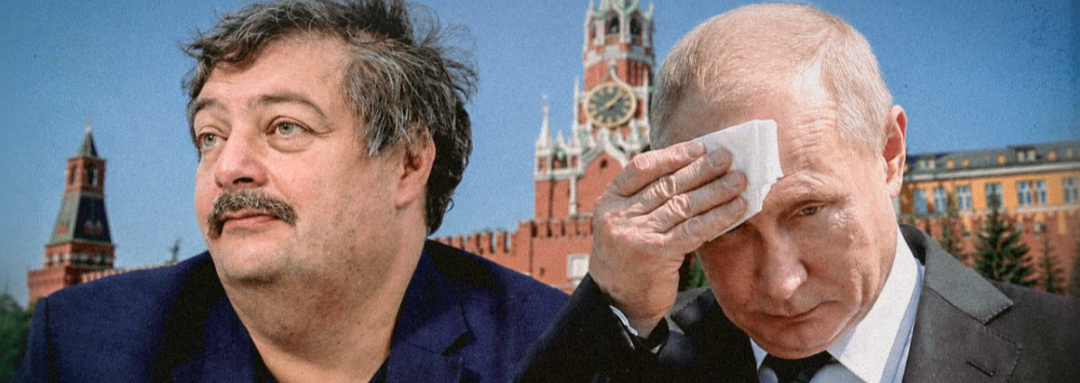
Radio Svoboda also drew attention to the issue in a discussion program titled "Лицом к событию," in which writer Dmitry Bykov participated. Public conversations such as this underline how Russia’s internal debates about the leadership’s security and popularity are playing out not only in closed corridors of power but also in media and intellectual circles, even as state outlets amplify supportive frames.
The developments documented by international and domestic outlets raise questions about transparency and the use of state institutions to manage political risk. Temporary technical shutdowns of surveillance infrastructure, the halting of regular public polling, and tightly staged trips to foreign capitals are measures that can limit independent scrutiny of both security practices and public opinion. Observers warn that such dynamics may further constrain the flow of reliable information about governance and public sentiment in Russia.
While these reports focus on the Kremlin’s internal calculations, the implications extend to broader issues of democratic accountability and civil liberties. Reduced presidential visibility in regions can affect local governance and public engagement, while the suppression or selective release of polling and the dominance of state-controlled media shape the information environment in which citizens form political judgments. For human-rights and press-freedom monitors, the intersection of security protocols and information control merits sustained attention as indicators of how power is being consolidated and defended.