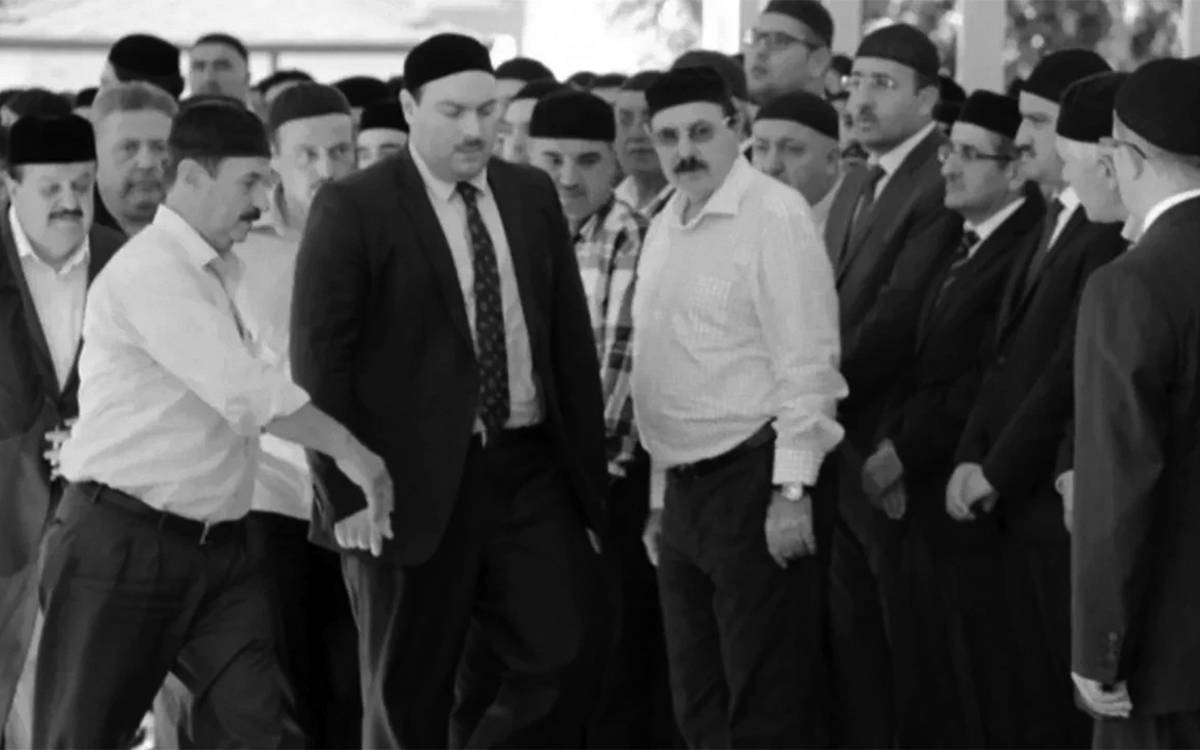
Prosecutor Orders Detention of 49 in Sweep Targeting 'Süleymancılar'; 30 Arrested Including Leader Alihan Kuriş
Turkish police carried out a multi‑province operation that led to the arrest of 30 people, including the leader of the group widely known as “Süleymancılar,” after an Ankara prosecutor issued detention orders for 49 suspects. Authorities say the investigation focuses on what prosecutors describe as an “çıkar amaçlı suç yapılanması,” with charges including “suç örgütü kurma ve yönetme” and money laundering.
By Hikmet Adal
887 views
Turkish authorities launched a coordinated operation against the religious network commonly known in public as “Süleymancılar,” detaining dozens of people and conducting searches in multiple provinces. Ankara Cumhuriyet Başsavcılığı issued detention orders for 49 individuals, and police said they arrested 30 suspects, including the movement’s current leader, Alihan Kuriş, in simultaneous raids across 17 provinces. Officers carried out searches and seizures at 43 addresses linked to suspects and at 80 premises belonging to 33 companies.
The prosecutor’s office said the probe is being pursued on the basis that the network operated as an “çıkar amaçlı suç yapılanması.” The suspects face a range of allegations described in Turkish as “suç örgütü kurma ve yönetme”, “suç örgütüne üye olma”, “suçtan kaynaklanan mal varlığı değerlerini aklama”, “kamu kurum ve kuruluşları zararına dolandırıcılık” and “Vergi Usul Kanunu’na muhalefet.” Authorities did not immediately release further operational details or the evidence underpinning the accusations.
Public and institutional scrutiny of the group stretches back decades. One of the most comprehensive accounts of the Süleymancılar’s history appears in a 2016 review by the Diyanet İşleri Başkanlığı Din İşleri Yüksek Kurulu, compiled after the 2016 coup attempt. The report traces the network’s origins to Süleyman Hilmi Tunahan (1888–1959), a religious educator associated with Nakşibendî-Müceddidî traditions, who began organising lessons and small study circles after leaving formal teaching posts in the 1920s and 1930s.
Under Tunahan’s guidance, adherents established local Kur’an courses and encouraged members to take Diyanet examinations, often emphasising community-organised religious education rather than relying on state institutions. The report notes Tunahan and his followers were sceptical of imam‑hatip schools when those institutions were first introduced in the 1950s, preferring to prioritise their own course and student networks. After Tunahan’s death in 1959, his son‑in‑law Kemal Kacar took over leadership and oversaw a period of increased institutionalisation both in Turkey and abroad.
The movement expanded with Turkey’s labour migration to Europe from the 1960s onward, setting up Kur’an courses and cultural centres under names such as İslam Kültür Merkezleri. In Germany the umbrella organisation Verband der Islamischen Kulturzentren (VIKZ) became one of the better known entities linked to the network; it describes itself as “bağımsız ve partiler üstü bir dini cemaat ve sivil toplum kuruluşu.” Diyanet reports also note tension between Süleymancılar-affiliated organisations and DİTİB, with long-standing competition over representation of Turkish Islamic communities in Europe.
Controversies tied to the movement’s student dormitories and educational facilities have periodically resurfaced in the Turkish media and courts. The Diyanet report and press coverage document episodes including the 1986 death of 14‑year‑old Bekir İkiz in a Denizli student boarding house, allegations of corporal punishment and oppressive controls, the 2008 LPG explosion at a Konya student dormitory that killed 17 students and a staff member, and the 2016 Aladağ girls’ dormitory fire that took 11 children and one staff member’s lives. Legal proceedings in some of these cases stretched for years, producing mixed verdicts and renewed debate about oversight of private dormitories and the responsibility of state institutions.
The group’s relationship with politics has also been notable. Over the decades several figures associated with the movement were elected to parliament, and Diyanet’s report documents attempts by the network to influence representation, sometimes fielding or supporting candidates. Names cited in the historical record include Kemal Kacar, Hilmi Türkmen and Ali Akın, as well as later leaders who entered politics. Internal disputes have persisted as well: after Arif Ahmet Denizolgun, a grandson of Tunahan who led the movement for a period, died in 2016, other family members publicly criticised subsequent leadership. Former AKP deputy Fatih Süleyman Denizolgun has repeatedly accused Alihan Kuriş of responsibility for his uncle’s death; he wrote on social media: "Bugün; 11 Mayıs 2025. Eski bakan olan, amcam Arif Ahmet Denizolgunun 69. veladet yıldönümü, bugün... Amcamın irtihalinden önceki son 2.5 yılında, çok önemli stratejik ve ekonomik iş birliği yaptığımız o bereketli ve altın dönemde, amcam bizzat babam için "Bir Pırlantadır."… pic.twitter.com/qcc7NIRgod"
Authorities’ recent moves against Kuriş and associates fold into a longer history of debate over the group’s social role, the adequacy of governmental oversight of private religious education and housing, and the extent to which tightly organised religious networks engage in economic or political activity. Prosecutors have framed the current case as targeting an organised criminal structure motivated by profit; supporters of the network are likely to contest those findings. The operation’s immediate legal aftermath, including formal indictments, judicial hearings and any appeals, will determine whether the arrests lead to convictions and how the state addresses the broader governance and human‑rights questions the case raises.