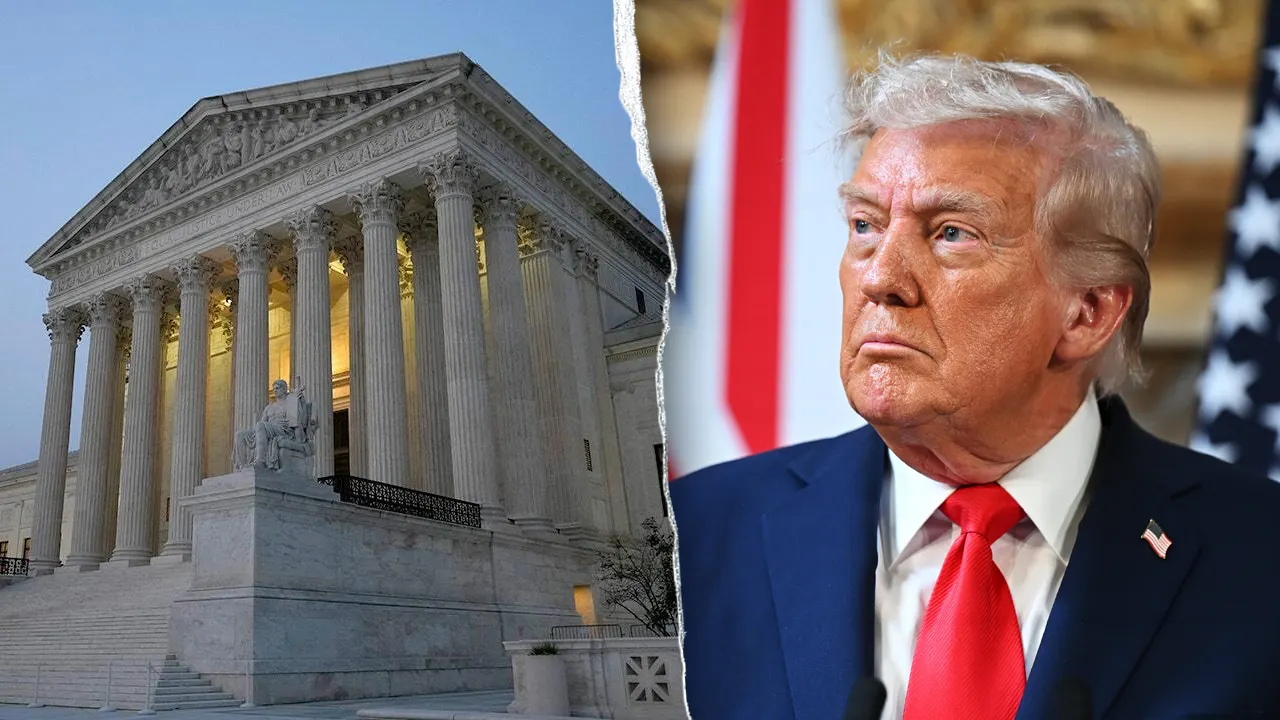
President Told Attorney General She Would Be Replaced During Drive to Supreme Court, Then Fired Her via Social Media
On April 1, 2026, President Trump informed Attorney General Ms. Bondi during a drive to the Supreme Court that "it was time for a change at the top of the Justice Department," according to The New York Times. Ms. Bondi, who sat beside the president during nearly an hour of oral argument in the birthright citizenship case, grew emotional after realizing she would not keep her post; the next morning Mr. Trump announced her dismissal on social media.
By Josh Blackman
980 views
According to reporting by The New York Times, President Trump told Attorney General Ms. Bondi during a crosstown car ride to the Supreme Court on April 1, 2026, that "it was time for a change at the top of the Justice Department." The conversation came as the two traveled to observe oral argument in a high-profile birthright citizenship case.
Ms. Bondi, described by the Times as a 60-year-old who was "downcast but determined," reportedly hoped to either retain her position or to obtain a brief extension — "until the summer" — that would allow her a more graceful exit. Those hopes were not realized. After the conversation in the car, she remained beside the president during nearly an hour of oral argument at the Court.
Several reports noted the president's demeanor during the proceedings, saying Mr. Trump sat emotionless while the justices heard the case. Less is reported about Ms. Bondi's public comportment during the argument itself, though the Times account says she grew emotional in conversations with friends and colleagues later in the day when she realized she was effectively out.
The following morning, President Trump made her departure official, announcing the firing via a social media post. The sequence — a private notification during a shared trip to the Supreme Court, attendance at the oral argument, and a public dismissal the next day — has drawn attention for both its timing and optics.
Observers and legal watchers are likely to scrutinize the incident for what it implies about the relationship between the White House and the Justice Department. Bringing the sitting attorney general to the Supreme Court and informing her in private that the president intended to replace her raises questions about the boundaries between political control and the independence of the Department of Justice, especially in a moment when the department's leadership is central to ongoing legal and constitutional disputes.
The manner of the announcement — through social media — also reinforces a pattern of using public platforms for major personnel decisions, a practice that commentators have argued can shorten or bypass traditional channels of notice and institutional transition. For Ms. Bondi, who reportedly sought time to arrange a graceful departure, the abruptness of the public dismissal contrasted with her hopes for a measured exit.
The immediate practical consequence is a vacancy at the top of the Justice Department that the president will move to fill. Beyond the personnel change, the episode feeds into broader debates about presidential management style, the role of personal interactions in the handling of Cabinet-level officials, and the symbolic significance of the Justice Department's independence. Further reporting will be required to establish who will replace Ms. Bondi and how the change will affect the department's ongoing priorities, including litigation and policy matters tied to the birthright citizenship case they attended together.
For now, the episode stands as a notable illustration of how high-stakes legal proceedings, personal presidential decisions, and the immediacy of social-media communications can intersect in the making and unmaking of senior government appointments.