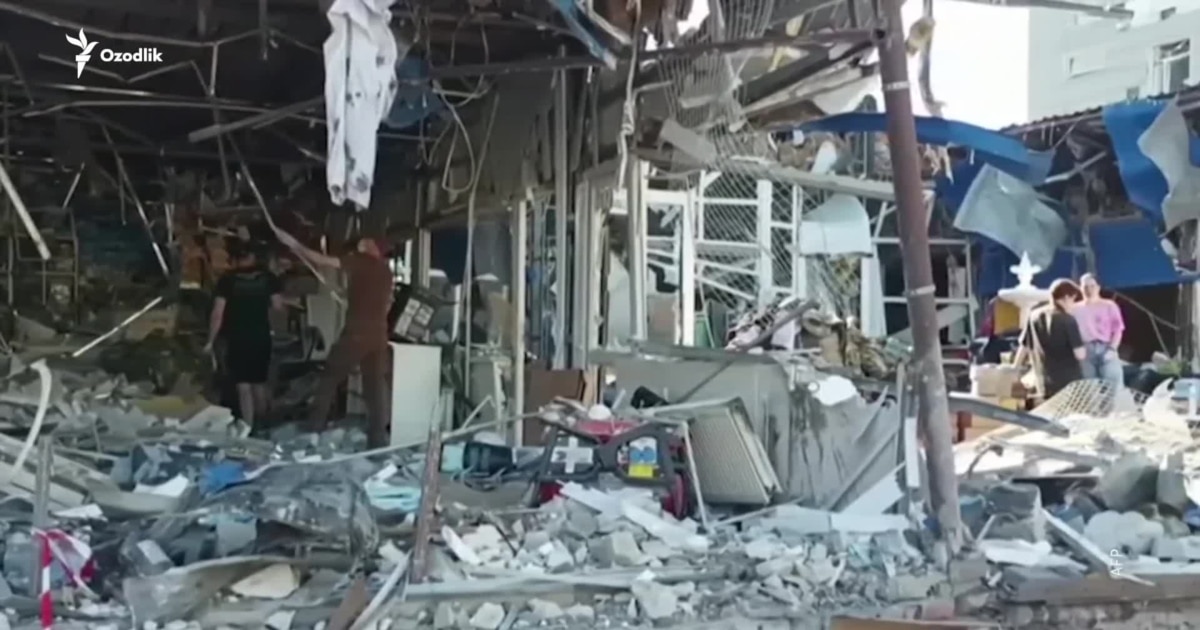
Pregnant woman and two others killed in Russian night strikes on Ukraine, Ozodlik reports
A brief report by Ozodlik says Russian nighttime strikes on Ukraine killed a pregnant woman and two other people. The outlet provided limited detail on the incident, but the fatalities highlight ongoing risks to civilians from aerial and artillery strikes and raise human rights and accountability concerns.
By Alexander Walter
1,055 views
A report published by the Uzbek service of Radio Free Europe/Radio Liberty (Ozodlik) says that Russian night strikes on Ukraine have resulted in the deaths of a pregnant woman and two other people. The short dispatch did not provide further identifying information, such as the victims’ names, the precise location of the strikes, or the time and date beyond describing them as occurring at night.
Ozodlik’s coverage of the incident is terse and supplies little additional context. The outlet’s brief item states only that the three people were killed in Russian nighttime attacks on Ukrainian territory. It does not attribute responsibility to any particular unit, include statements from local officials, or describe the type of weapons used. As such, many basic facts about the incident remain unconfirmed in available reporting.
Even with limited detail, the reported deaths fit a broader pattern of civilian harm in Ukraine linked to aerial, missile and artillery strikes. Attacks on populated areas that cause civilian fatalities — including vulnerable people such as pregnant women — raise immediate humanitarian and legal concerns. Under international humanitarian law, parties to a conflict are required to take precautions to avoid or minimize harm to civilians and to refrain from indiscriminate attacks.
The killing of a pregnant woman particularly underscores the heightened vulnerability of civilians during hostilities. Loss of life among non-combatants can also have cascading consequences: survivors may suffer physical injury, psychological trauma, loss of livelihoods, and disruption to essential services such as healthcare and maternal care. Where reporting is limited, as in this case, families and communities are often left without clear information about what occurred and why.
Incidents that result in civilian deaths frequently prompt demands from human rights organizations and international bodies for independent investigation and accountability. While Ozodlik’s report does not indicate whether any investigation has been opened or whether Ukrainian or international authorities have responded, the factual claim of civilian fatalities typically triggers calls for transparent inquiries to establish the circumstances of the attack, determine whether applicable legal protections were observed, and identify those responsible.
Accurate, corroborated reporting is essential in such cases. At the time of publication, Ozodlik’s item contains only the basic claim of three deaths linked to Russian night strikes. Journalists, rights monitors and investigators will need to seek additional sources, including hospital records, first-hand witness accounts, statements by local authorities, and satellite or open-source imagery where available, to build a full picture of the event and its legal significance.
This brief report adds to the record of civilian harm in the conflict in Ukraine. Given the limited information provided by the initial item, media organizations and human rights monitors should treat the details as preliminary and follow up for confirmation and context. Further reporting and official statements will be necessary to clarify the circumstances of the strikes, identify the victims, and assess any potential violations of international humanitarian and human rights law.
Ozodlik is part of the RFE/RL network. The outlet’s short notice highlights both the continuing human cost of hostilities in Ukraine and the challenges faced by reporters and monitors in documenting and verifying incidents amid ongoing conflict. We will update this account as more verified information becomes available from credible sources.