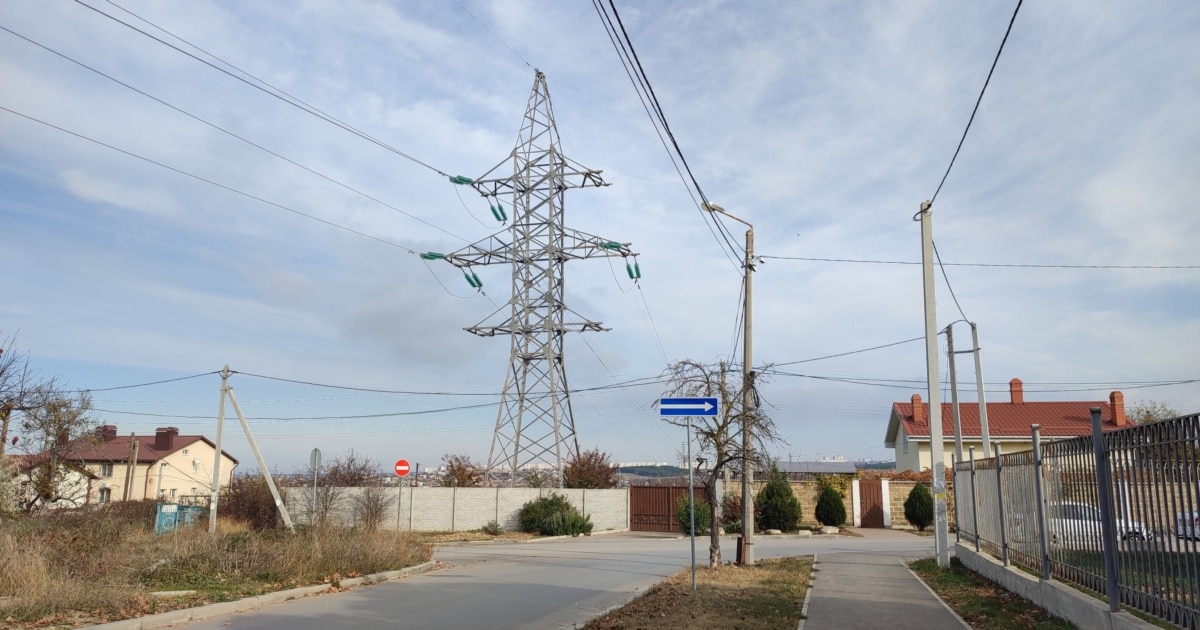
Power outages in annexed Sevastopol lead to restrictions on electricity, water and public transport after nighttime attacks
Sevastopol experienced near-total power failure in the early hours of July 27 after what local authorities said were nighttime attacks by Ukrainian forces on energy infrastructure. Russian city officials restored most supplies on a limited schedule, but the outages led to reduced water pressure across wide areas, suspension of trolleybus services and longer intervals on many bus routes; Russia’s internet regulator also moved to block coverage by Krym.Realii.
By Clémence Desjardins
1,055 views
Sevastopol, the Black Sea port city administered by Russia since 2014, suffered widespread electricity disruptions in the early hours of July 27 after nighttime attacks that local authorities said came from units of the Ukrainian armed forces (ВСУ). City officials reported that the municipality was almost entirely without power in the first hours of the morning, prompting emergency measures aimed at protecting the broader regional electricity network from overload.
Mikhail Razvozhayev, the Russian-appointed head of Sevastopol, said the restrictions were a “forced” measure intended to prevent damage and overloads to power lines and networks outside the city. By morning, most consumers in Sevastopol had their electricity restored, but on a temporary rotation rather than a full return to normal supply. The local power company said the restoration was possible after additional capacity became available, allowing it to revert to a schedule described as "3 через 3".
The power cuts had immediate knock-on effects on transport. The press service of the state-run GUP "Sevelectroavtotrans" said that trolleybuses temporarily ceased operations because of the electricity restrictions, and in some areas they were replaced by diesel or battery buses. Two bus routes, numbers 33 and 72, were reported as temporarily suspended, while other routes continued to run with increased intervals between services. The changes affected commuters' ability to move reliably across the city at the start of the business day.
Water supply was also hit. GUP "Vodokanal" reported that reductions in pumping capacity following the electricity outages led to decreased water pressure across a broad swath of the city — from remote settlements to major urban streets. The utility said the pressure drop affected numerous neighborhoods and warned residents that water service could remain limited until power to pumping stations was stabilized and normal pumping regimes could resume.
The blackout in Sevastopol followed other reported attacks on energy infrastructure in Crimea overnight. Local coverage noted that substations in the southern coastal cities of Yalta and Alushta were also targeted during the same period; reports from Yalta said a substation attack left parts of the city without electricity. Related reporting carried the headline «Как будто бросили на произвол судьбы»: Крым во время энергетического кризиса, reflecting local concerns about the humanitarian effects of repeated disruptions to essential services.
Alongside the physical infrastructure disruptions, there were attempts to restrict coverage of the events. Russia’s communications regulator, Roskomnadzor, moved to block access to the Krym.Realii website, which has been reporting on developments in Crimea. Krym.Realii told readers it remained accessible via a mirror site at https://krymrnzoqirqadlxo-dhgye0ddf5hzh3be.z02.azurefd.net/ and urged audiences to follow its updates on Telegram, Instagram and Viber; the outlet also advised: "Рекомендуем вам установить VPN ."
The outages underscore the vulnerability of civilian infrastructure in conflict-affected regions and the wider humanitarian consequences when power, water and transport services are disrupted. For residents of Sevastopol and other parts of Crimea, such interruptions affect everyday necessities and mobility. Local authorities framed the measures as protective steps to safeguard the electricity network beyond city limits, but the immediate effect has been a significant reduction in services on which civilians depend. Continued reporting will be needed to monitor restoration efforts, any further attacks on infrastructure, and the humanitarian response to the service restrictions.