Poland Cuts Fuel Taxes to Offset Middle East Energy Crisis
Warsaw caps pump prices using a 60% windfall tax on extraordinary profits from liquid-fuel sales as the Strait of Hormuz disruption drives European fuel costs to record highs.
By Pawel Cybulski
987 views
In a direct response to global energy market disruptions stemming from the escalating conflict in the Middle East, Polish President Karol Nawrocki signed emergency legislation on October 1 introducing a temporary tax on extraordinary profits from liquid-fuel sales. The measure is intended to help offset the fiscal cost of emergency measures designed to limit the impact of higher fuel prices on consumers and businesses.
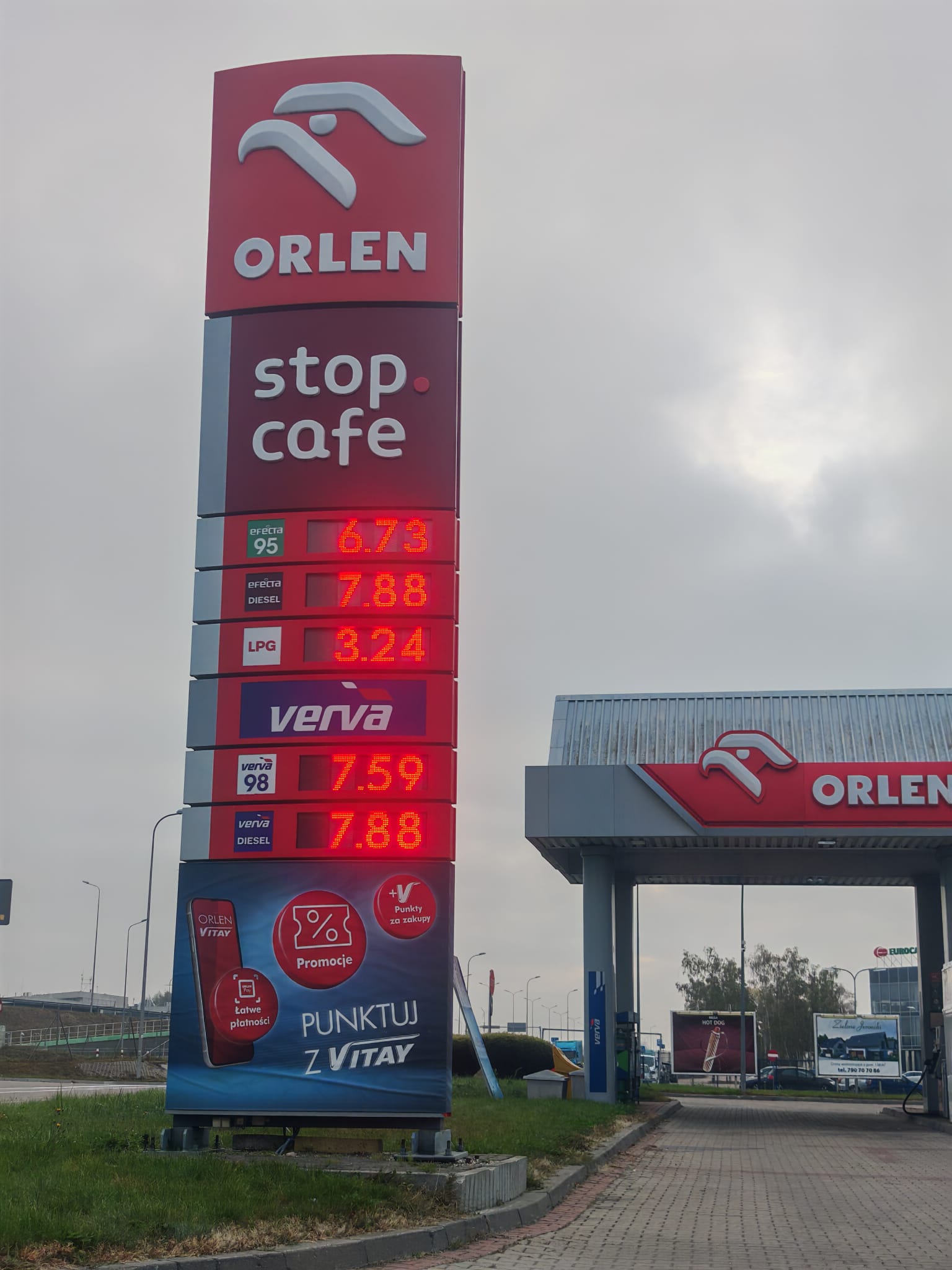
Starting October 3, Poland temporarily cut the Value-Added Tax (VAT) on gasoline and diesel from 23% to 8%, alongside targeted reductions in excise duties — cutting fuel excise by PLN 0.29 per liter for gasoline and PLN 0.28 per liter for diesel. The fiscal shield, set to remain in effect through December 31, 2026, is projected to lower retail prices by approximately PLN 1.20 to PLN 1.30 (€0.28–€0.30) per liter, according to government estimates.
Persian Gulf Bottlenecks and the Hormuz Shock
The emergency intervention comes as European energy markets face severe fallout from the military confrontation in the Persian Gulf. Following the launch of joint US and Israeli military strikes against Iranian nuclear and defense infrastructure on February 8, 2026 — which escalated into full-scale hostilities on February 28 and resulted in the death of Iranian Supreme Leader Ali Khamenei — Tehran introduced restrictions on maritime traffic through the Strait of Hormuz.
In reports published in July, intelligence and energy analysts cited by Reuters characterized Tehran's control over the narrow waterway as a major strategic lever for exerting pressure on Washington and international markets. Prior to the conflict, approximately 15 million barrels of crude oil and 5 million barrels of refined petroleum products passed through the strait daily, accounting for roughly one-fifth of global petroleum consumption.
At the peak of the disruption, Reuters reported that maritime traffic through the corridor had fallen by as much as 97%. However, that figure describes the sharpest phase of the disruption rather than a continuing level of traffic. By September, oil exports from the region had begun to recover, with Reuters reporting that flows in parts of the month had exceeded or approached pre-war levels despite continuing security risks.
Temporary diplomatic reprieves — including a preliminary April 7 ceasefire, the formal end of the US "Operation Epic Fury" on May 5, and a June bilateral memorandum referenced by the UK House of Commons outlining a "permanent termination of military operations on all fronts" — briefly eased market tensions. Diplomatic efforts involving Qatari mediation, however, failed to establish lasting stability.
Renewed naval confrontations throughout August and September triggered fresh market volatility. Maritime security risks increased again in early October. On October 1, a commercial tanker was reported to have been struck by an unidentified projectile while attempting to transit the Strait of Hormuz. Further maritime incidents were reported in the region in the following days.
The prolonged disruption has heavily impacted European retail markets. Across the European Union, average diesel prices surged from €1.59 per liter prior to the outbreak of hostilities to a record €2.24 per liter by early October — an increase of approximately 41%. In Poland, domestic fuel prices in September stood 36.1% higher year-on-year and rose an additional 9.2% month-on-month.
Funding the Shield: The 60% Windfall Tax and Structural Fiscal Realignment
To help offset the revenue loss created by the VAT and excise cuts, the Polish government is introducing a temporary 60% tax on extraordinary profits generated from liquid-fuel sales between March and December 2026.
The tax does not apply to all profits earned by energy companies. Instead, the legislation establishes a mechanism for identifying extraordinary profits by comparing a company's 2026 margin with its 2025 margin, increased by 20%. The measure is expected by the government to raise approximately PLN 4 billion (€930 million).
The temporary fuel relief arrives alongside a broader restructuring of Poland's corporate tax landscape, aimed at managing broader fiscal pressures and increased defense spending:
● Corporate Income Tax (CIT) Hikes: The baseline CIT rate for large corporations with annual revenues exceeding €50 million (approximately PLN 218 million) and tax capital groups will increase from 19% to 22%.
● Banking Sector Levy: An elevated CIT rate for financial institutions — already implemented in 2026 at 30% — will gradually decline to 26% in 2027 and settle at 23% from 2028 onward.
● Solidarity Surcharge: The solidarity tax levied on individual incomes exceeding PLN 1 million will rise from 4% to 5%.
● Lump-Sum Tax Restrictions: The annual revenue ceiling allowing sole proprietorships and entrepreneurs to use flat-rate lump-sum taxation (ryczałt) will be reduced from €2 million to €250,000. This will limit access to the simplified tax regime for higher-revenue businesses, although affected entrepreneurs will not automatically move to corporate income tax.
● Sugar Tax Expansion: On September 29, the cabinet approved a draft bill raising the sugar fee (opłata cukrowa) on sweetened, caffeinated and taurine-containing beverages effective January 1, 2027. The government estimates the measure could generate an additional PLN 1.3 billion annually.
Geopolitical Takeaway
As the crisis in the Persian Gulf continues to disrupt energy markets and international supply chains, Central European governments are introducing fiscal measures intended to cushion consumers and businesses from higher energy costs.
In Poland, the combination of temporary reductions in VAT and excise duties and a tax on extraordinary profits from liquid-fuel sales is intended to reduce the immediate impact of higher fuel prices while helping to offset part of the fiscal cost of the government's intervention. At the same time, broader tax changes planned for 2027 are expected to increase state revenues from selected corporate, financial and individual taxpayers.