Planned U.S. Deportation Flight to Pakistan Sparks Fears of Persecution for Afghans
Reports that the United States is preparing a special deportation flight carrying more than 150 Afghan nationals from detention centers in Louisiana to Islamabad have prompted urgent warnings from Afghan authorities and rights groups. NGOs say the move could place returnees, including former local collaborators with U.S. forces, at grave risk of persecution if they are ultimately repatriated to Afghanistan.
By Christopher Manley
1,032 views
Reports that the United States is preparing a special deportation flight to send over 150 Afghan nationals from detention centers in Louisiana to Pakistan have prompted a wave of concern from Afghan authorities, humanitarian groups and refugee advocates. The California-based nongovernmental organization AfghanEvac said the U.S. government was arranging a charter flight carrying more than 150 Afghans, including at least two women, and that the plane was expected to land in Islamabad. The U.S. State Department has not confirmed those reports.
AfghanEvac’s president, Shawn VanDiver, told Radio Free Europe/Radio Liberty that he understood detainees are being held in U.S. facilities in Louisiana. Reporting by The New York Times on October 30 also cited three U.S. officials who said the people whose deportation was reported were being held in Louisiana detention centers. The Associated Press published similar accounts citing court documents.
A key legal and diplomatic complication is that the United States has no formal diplomatic relations with the Taliban-led authorities in Kabul and therefore cannot arrange direct, official returns to Afghanistan. According to the reported plan, deportees would be sent first to Pakistan, which would then process their onward return to Afghanistan. It was not clear from available reporting whether Washington and Islamabad had reached an agreement governing the operation or the terms under which Pakistan would accept the individuals.
The Taliban-led Afghan Ministry of Foreign Affairs on November 2 urged the United States to "act responsibly" and respect the "legitimate rights and aspirations" of Afghans who may face removal. The ministry added that it was ready to cooperate constructively with Washington while taking into account the "existing realities and legitimate concerns" of both sides. Pakistani authorities did not respond to repeated requests for comment from Radio Free Europe/Radio Liberty.
Human-rights and refugee organizations have issued urgent appeals for the United States to halt the deportation. Refugees International called on Washington to stop the planned flight and to refrain from further deportations of Afghans, warning that those returned could be persecuted by the Taliban. Yael Schacher, the director of Refugees International, said on November 1 that details of any agreement between the U.S. and Pakistan were unclear, and emphasized that Pakistan has previously forcibly expelled large numbers of Afghans.
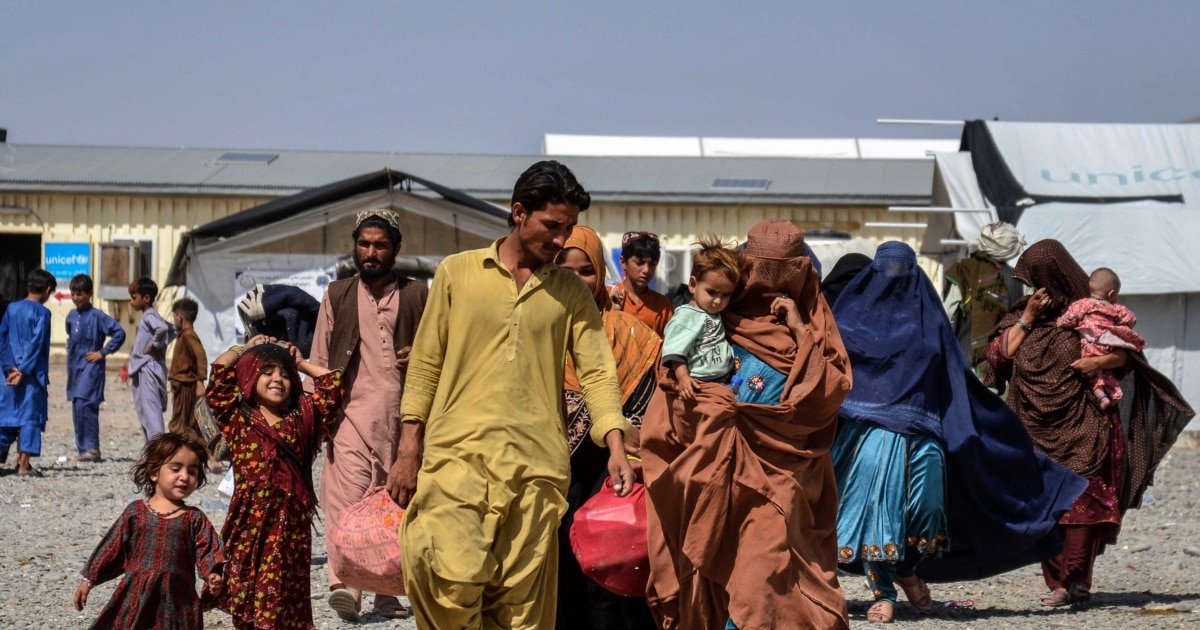
Since September 2023, Pakistan has deported roughly 2.5 million Afghans back to Afghanistan, according to reporting cited in the original dispatch. Humanitarian groups and relatives of Afghans who worked with U.S. forces have warned that returnees — particularly those who assisted foreign militaries or governments — face heightened risk of reprisals and persecution under Taliban rule. Tens of thousands of Afghans fled the country after the Taliban takeover in August 2021; many sought refuge in Pakistan, where thousands remain in limbo awaiting resettlement elsewhere.
Relations between Islamabad and the Taliban authorities have become strained in recent years, despite historical ties between Pakistani authorities and some Afghan militant networks. The article notes that since October 2025 there have been intermittent clashes along the border, and Pakistan accuses Taliban authorities of sheltering members of the Pakistani Taliban (Tehrik-e Taliban Pakistan, or TTP). Taliban officials deny allowing Afghan territory to be used for cross-border attacks.
Broader human-rights concerns in Afghanistan compound the fears surrounding any forced return. The country is widely regarded as one of the worst places for violations of basic rights, particularly for women and girls. The United Nations has repeatedly warned that measures such as the Taliban-imposed ban on schooling for many girls risk creating a "lost generation"; a UN Security Council briefing in June cited an estimated 3.8 million Afghan girls aged seven to 18 who were not in school.
The prospect of a U.S.-organised flight to Pakistan has therefore reignited debates over the legal and moral responsibilities of countries that detain and deport vulnerable people. Humanitarian groups stress that returns must comply with non-refoulement principles, which prohibit sending people to places where they face real risks of persecution, torture or other serious harm. With details of any arrangements between Washington and Islamabad still unclear, advocates are urging immediate transparency and a halt to removals that could expose Afghans to grave danger.