Pioneering Tatar Rap Group Ittifaq to Return to Stage as Controversy Over Censored Songs and Cancelled Concerts Continues
Ittifaq, one of the earliest and most influential Tatar-language rap groups, will perform in Kazan on December 17, showcasing a 2010 album reworked for 2026 and classics from their 2007 release. The return comes amid ongoing restrictions affecting Tatar artists: tracks by rapper Usal have been removed from Russian music services following Roskomnadzor requests, and several of his concerts have been cancelled amid reported pressure on event organizers.
By Clémence Desjardins
814 views
One of the foundational acts of Tatar-language hip-hop, the group Ittifaq, is set to return to the stage in Kazan on December 17, presenting a reworked version of an album originally recorded in 2010 alongside hits from their 2007 breakthrough release. The concert, announced by the organizers and reported by Milliard.tatar, will take place at the MOÑ Theatre as part of a series of evening shows billed under the name "KICH" (Evening).
Ittifaq, formed in 2005, consists of Ilyas Gaffarov, Nazym Ismagiliev and Albina Suleymanova. Their music blends R&B influences, traditional Tatar melodies and Tatar-language recitative. The group is widely credited with helping to establish and popularize Tatar-language rap and alternative music: their 2007 album Bälki ("Maybe") is considered the first Tatar hip-hop album and a formative record for the region’s emerging rap scene.
For the December concert, Ittifaq will perform material from the 2010 album now updated for 2026, and Yummy Music Band, led by arranger Yuri Fedorov, will present new arrangements of the Bälki album’s hits. The evening will also feature special guests: actor Iskandar Khayrullin of the G. Kamal Theatre and musician Ilgiz Shaykhraziyev. Organizers have invited attendees to dress in early-2000s style to help evoke the era in which the group first rose to prominence.
The announcement highlights a broader cultural arc. Ilyas Gaffarov later founded the Yummy Music label and shifted into a production role; in 2014–2024 period his work included producing a Tatar rap-opera staged in 2024 at the Tinchurin Theatre titled "Flashka, rap and love," built around Ittifaq’s songs. Despite these institutional successes, Ittifaq as a live act has rarely appeared on stage in recent years: the group celebrated its tenth anniversary in 2015 at the Alafuzov Factory in Kazan, but public performances have since been sporadic.
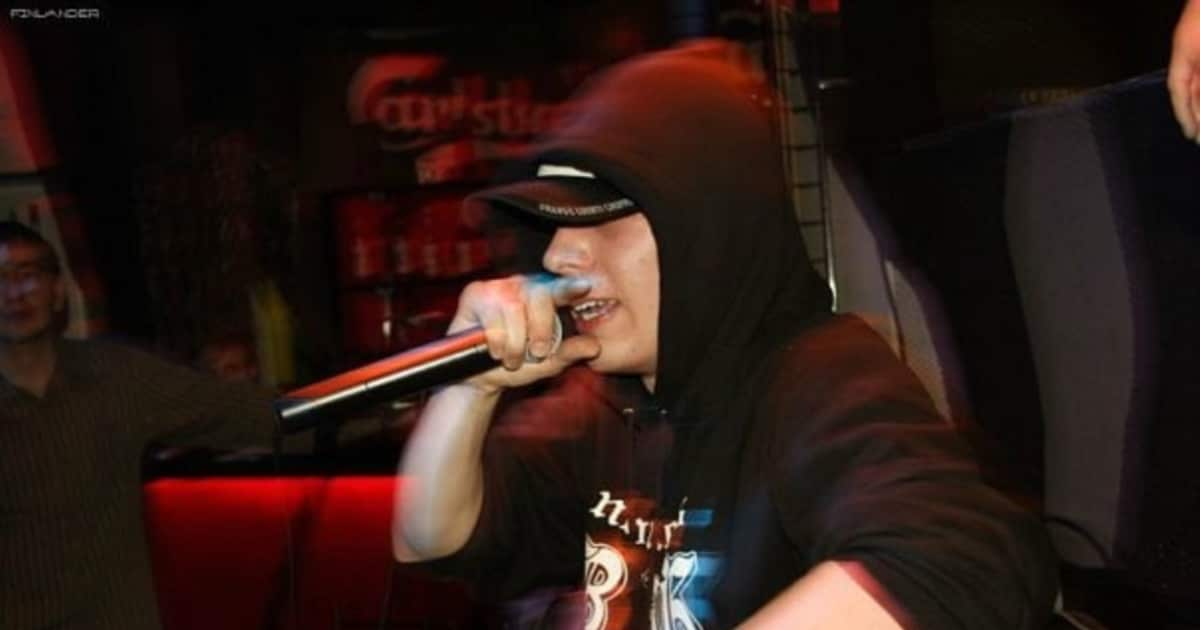
A parallel thread in the story involves Nazym Ismagiliev, who performs under the stage name Usal. Usal — the son of noted shama’il (religious portrait) artist Najip Nakkash — is known on the Tatar rap scene for an aggressive, confrontational persona. Yummy Music released his album Säyäxät ("Journey") in 2023, and he has been a fixture at regional festivals such as "I Speak Tatar!" and AWAZ. Yet several of his songs, including "1552," "Azatlyk" ("Freedom"), "Yanıp bet" ("Burned Out") and "Murda" ("Corpse"), were reported removed from Russian and some international music platforms earlier in 2026 after apparent requests from Roskomnadzor, Russia’s communications regulator. Searches for "1552" on the Kion.Music platform returned messages saying the track was unavailable at the regulator’s request. The song title references 1552, the year Moscow conquered the Kazan Khanate, and the lyrics address themes of nationhood, freedom and historical memory.
Usal has also faced disruptions to live appearances. A concert scheduled for January 30 in Kazan was cancelled — the artist said the reasons were beyond his control. In 2025 he did not appear at the "I Speak Tatar!" festival despite being a regular participant, and the "DärtFest" at the Kazan Kremlin went ahead without him. Sources quoted by Azatliq said event organizers had been advised not to invite him. Nonetheless, Usal’s profile has not disappeared: his track "Born From Culture" circulated widely on social media in autumn 2026, and a concert in Kazan was scheduled for December 5.
The dual developments — Ittifaq’s staged comeback and the contested status of Usal’s work — underscore tensions over cultural expression in the region. For many artists who work in minority languages or address sensitive historical and political themes, the removal of tracks from streaming services and the cancellation of concerts represent both practical setbacks and symbolic restrictions on free expression. Organizers, artists and audiences in Tatarstan will be watching the upcoming performances as a barometer of how readily Tatar-language music can be performed and shared in public forums.
The Ittifaq concert and the continuing debates over removed songs are symptomatic of a broader environment in which cultural production, historical memory and regulatory oversight intersect. As Ittifaq returns to the stage after a long hiatus, the event will be as much a musical reunion as a statement about the resilience of a regional music scene under pressure.