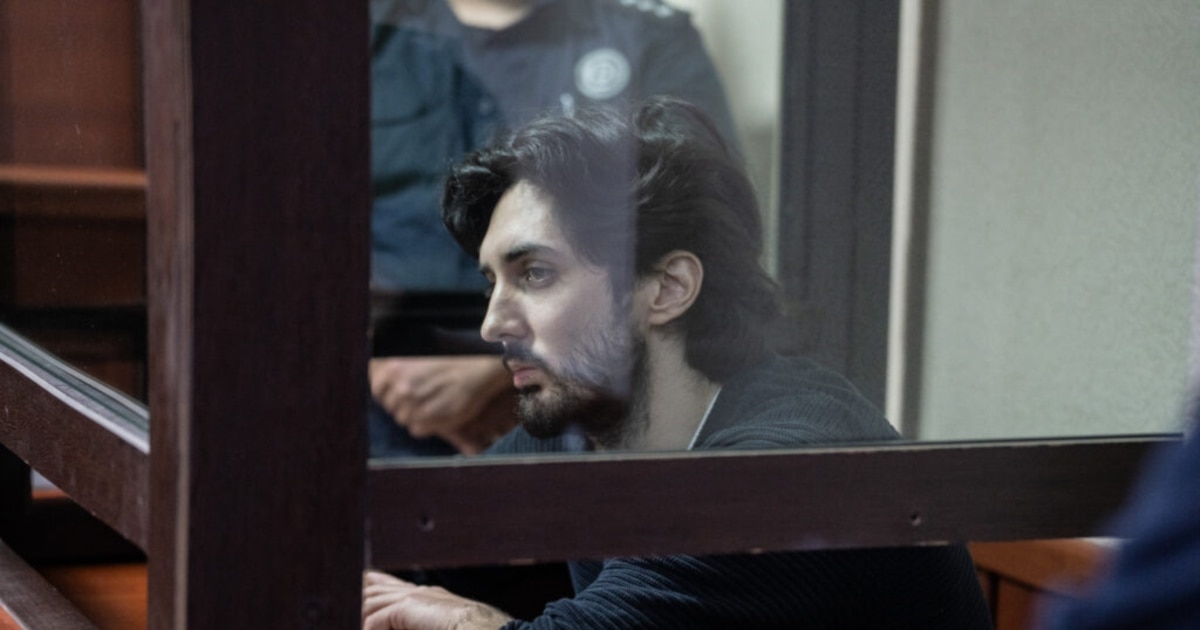
Pardoned Russian National Denis Kulanin Faces Deportation From Georgia; MIA Says He May Choose a Third Country
Denis Kulanin, a Russian citizen who was pardoned by President Mikheil Kavelashvili after serving time for actions during anti-'agents law' protests, has been transferred to a migration detention centre and is subject to a deportation procedure. Georgia's Ministry of Internal Affairs said he can opt to leave for a third country within 48 hours, but his lawyer warns that deportation to Russia could endanger him because of his outspoken criticism of the war in Ukraine.
By Alexander Walter
1,022 views
A Russian national who was detained during anti-'agents law' protests in Georgia and later included on a presidential pardon list is now facing deportation after his release from prison. Denis Kulanin was moved by immigration police to a migration department detention centre once freed, and the deportation procedure has been formally initiated, Georgian authorities told Radio Liberty.
The Ministry of Internal Affairs (MIA) informed Radio Liberty that Kulanin "მესამე ქვეყნის არჩევაც შეუძლია" — that is, he may select a third country as his destination. According to the MIA, he must make that choice within 48 hours in order to exercise the option of leaving Georgia voluntarily. The ministry referred to the country's law on foreigners in explaining his rights and the legal basis for his removal.
Officials cited Article 51 of the law titled "უცხოელთა და მოქალაქეობის არმქონე პირთა სამართლებრივი მდგომარეობის შესახებ" as the basis for deportation. The provision cited allows for the deportation of a foreign national who has been serving a sentence under Georgia's criminal code either immediately upon completion of their sentence or upon release on any other grounds.
Kulanin was arrested on March 28, 2025, at a demonstration outside parliament that formed part of broader protests opposing the so-called "agents law" and in support of a pro-European course. He was accused of breaking the window of a police vehicle and was sentenced to two years in prison. The court record indicates that Kulanin admitted guilt during judicial proceedings and apologized at the pretrial stage; his defence argues that the prosecution's evidence was accepted without dispute.
Under the terms of his sentence, Kulanin's prison term would have ended in March 2027. However, on August 27 President Micheil (მიხეილ) Kavelashvili — described in the report as elected as the sixth president with the backing of the Georgian Dream party — issued a pardon covering 226 people. The pardon list included demonstrators convicted in connection with the 2024 pro-European and anti-'agents law' protests, as well as cases linked to events on October 4, 2025.
Despite his inclusion among those pardoned and his subsequent release, immigration authorities moved Kulanin into a migration detention facility and began formal deportation proceedings. The MIA's acknowledgement that he may choose a third country provides a limited window for him to avoid forced return to his country of origin, but his lawyer has warned of serious risks if Georgia sends him back to Russia.
According to the lawyer, Kulanin had frequently criticized Russia's war in Ukraine and voiced support for Ukraine in letters sent from prison. Those statements, the lawyer says, expose him to potential persecution if deported to Russia. The defence also indicated that Kulanin had planned to seek a safe country and leave Georgia after his release.
The list of those pardoned by the president included several demonstrators and other figures involved in recent political unrest; among the names published were საბა ჯიქია, დავით ხომერიკი, თორნიკე მჭედლიშვილი, ფრიდონ ბუბუტეიშვილი, დანიელ მუმლაძე, გურाम ხუტაშვილი, ავთანდილ თოფჩიშვილი and სიმონ მახარაძე. Human rights advocates and legal observers often monitor such pardons and subsequent immigration actions for their implications on political expression, state accountability and protections for foreign nationals accused or convicted in politically sensitive cases.
Kulanin's case highlights intersecting concerns about criminal justice, immigration policy and the protection of dissenting voices. While Georgian authorities point to domestic legal provisions that permit deportation of foreign nationals who have served sentences, rights groups are likely to scrutinize whether returning Kulanin to Russia would amount to exposing him to a real risk of harm for exercising freedom of expression. For now, Kulanin's fate hinges on the time-limited option offered by the MIA to select a third country and on the decisions of Georgia's migration authorities.
Radio Liberty reported the developments based on statements from Georgia's Interior Ministry and comments from Kulanin's lawyer; further details on his immediate destination or the government's final decision on deportation had not been disclosed at the time of reporting.