Pakistan Rejects Amnesty International Findings on Deadly Strike at Kabul's 'Omid' Addiction Treatment Centre
Pakistan has rejected a detailed Amnesty International report concluding that a March airstrike on the Omid addiction treatment centre in Kabul was unlawful and inflicted heavy civilian casualties. Islamabad says its strikes targeted militant sites and were carried out in self-defence, while Amnesty and the United Nations say the attack killed scores of patients and staff and should be investigated as a possible war crime.
By Christopher Manley
1,191 views
Pakistan on Thursday publicly rejected the findings of an extensive Amnesty International investigation into airstrikes on the Omid addiction treatment centre in Kabul that left scores dead. Tahir Andrabi, a spokesman for Pakistan’s Ministry of Foreign Affairs, dismissed the report at a press briefing, saying the allegations were unfounded and lacked credible evidence. He framed Pakistan’s operations as necessary acts of self-defence against militant groups he accused of operating from Afghan territory.
At the briefing Andrabi said, «ما اتهامات سازمان عفو بینالملل را بهطور کامل رد میکنیم. جای تأسف است که همچو اتهامات جدی بدون هیچگونه سند معتبر مطرح شده است.» He also argued that the Afghan authorities provided a safe environment for groups Islamabad deems terrorist organisations, naming تحریک طالبان پاکستان (تی تی پی)، اردوی آزادیبخش بلوچستان and other affiliated groups. He added that Pakistan could not remain passive when its civilians and security forces were repeatedly attacked, and that any military action was taken "بر اساس اصل ضرورت، در چارچوب حق دفاع مشروع و بهحیث آخرین راه." Andrabi insisted Pakistan had targeted only militant centres and logistical bases.
Amnesty International’s South Asia head, ایزابیلا لیسی, however, said the organisation’s investigation produced clear evidence that under international human rights law the Omid centre was not a lawful military target. She said Islamabad’s published evidence does not refute the conclusion that the strike was unlawful and harmed civilians and civilian objects. Amnesty said its team interviewed dozens of family members of victims, health workers and other witnesses; examined more than 60 photographs and videos taken shortly after the attack; and reviewed roughly 30 pre-attack satellite images and confirmed videos of the site.
Amnesty concluded that the Pakistani operation consisted of three large strikes on the Omid complex late on the night of March 16, which destroyed large parts of the facility. The report states the attack was deliberate and directional and that at least one of the munitions used corresponded to what the organisation described in Persian as «بمب هدایتشونده دقیق تکبیر». Based on its evidence, Amnesty called for the strikes to be investigated as a potential war crime.
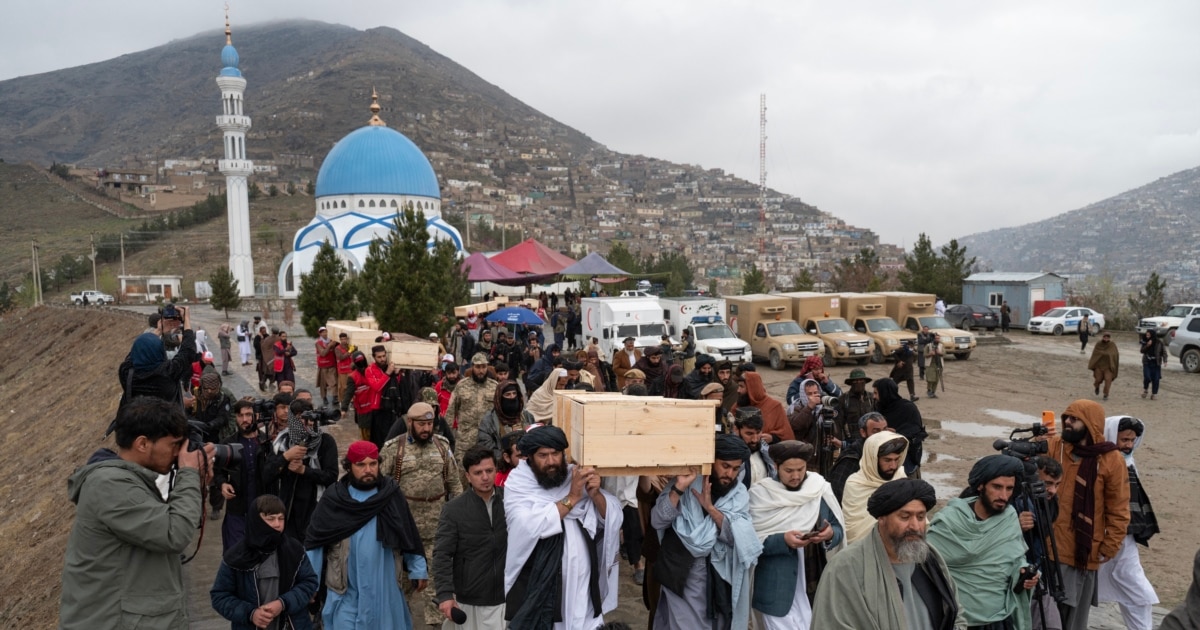
United Nations figures and independent sources have also documented heavy civilian tolls from the strike. The UN has confirmed that at least 269 civilians were killed and 122 wounded in the attack. Survivors’ accounts, statements from families and independent monitors said a large majority of those killed and injured were patients undergoing treatment for drug addiction at the Omid facility, as well as medical staff. The Ibn Sina Hospital, located at the same site and responsible for much of the centre's clinical care, was also affected.
Amnesty said it assessed videos that the Pakistani military had released, in which the military asserted the site stored weapons and ammunition. According to Amnesty, those videos do not substantiate Pakistan’s claim. The rights group also said Islamabad failed in its obligation to issue warnings prior to the strikes, noting Pakistan did not respond to Amnesty’s questions before the report was published and that it has not routinely issued prior warnings before past operations in Afghanistan.
Richard Bennett, the UN special rapporteur on the human rights situation in Afghanistan, described Amnesty’s findings as important and said they should be treated with utmost seriousness and lead to action. The incident has underscored deeper disputes between Islamabad and international rights monitors over how counterterrorism operations that cross borders should be conducted and scrutinised, and it raises pressing questions about accountability for civilian harm.
The Omid centre — established in 2016 on the grounds of a former NATO base in Kabul — was expanded after the Taliban’s return to power in 2021 into a large detox and rehabilitation facility with capacity for about 2,000 beds. The development of the centre and the scale of casualties from the March strikes have intensified calls from rights groups and UN officials for an independent investigation to determine whether international humanitarian and human rights law were breached and whether those responsible should face legal scrutiny.