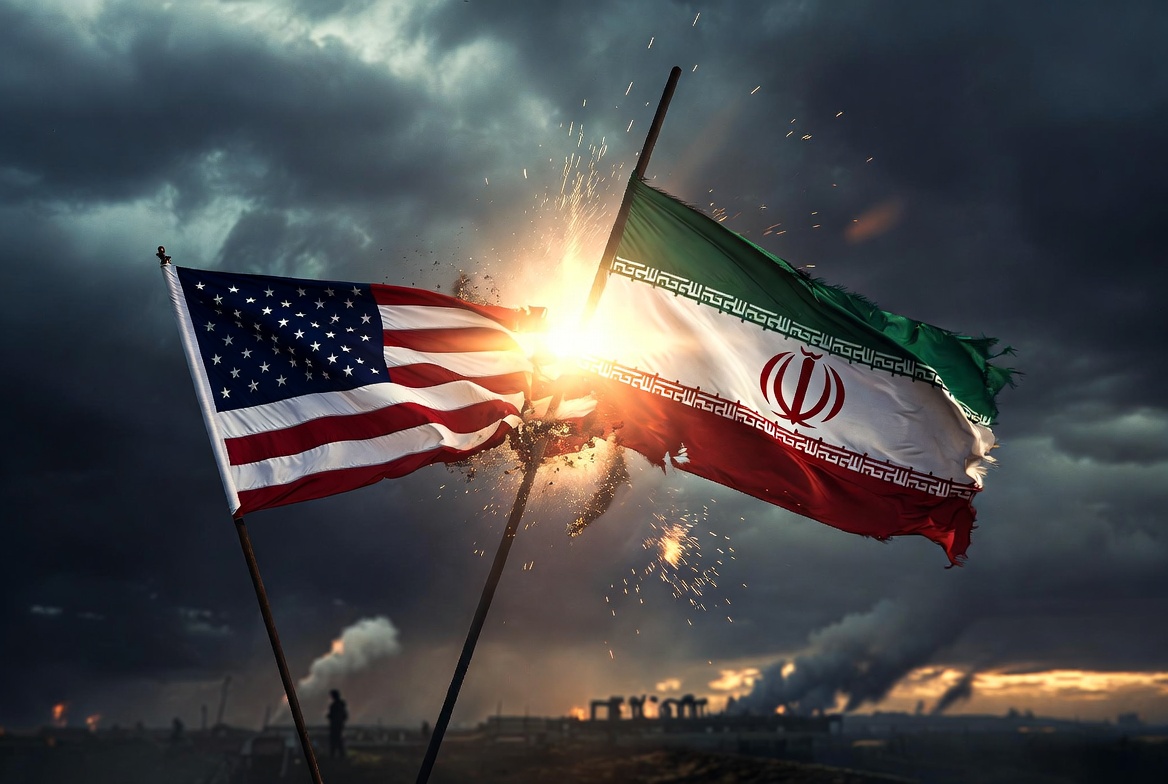
Pakistan Presents 'Islamabad Accord' Ceasefire Proposal to U.S. and Iran as Deadline Nears
Pakistan has sent a two-phase ceasefire framework dubbed the "Islamabad Accord" to both Washington and Tehran, calling for an immediate halt to hostilities, the reopening of the Strait of Hormuz and a short negotiating window to pursue a permanent settlement. The proposal arrives as U.S. President Donald Trump issued public deadlines tied to the strait, and Iranian officials have said they will not accept a temporary truce or be pressured by imposed deadlines.
By Jim Hᴏft
1,055 views
Pakistan has presented a last-minute ceasefire framework, called the "Islamabad Accord," to both the United States and Iran, according to reporting by Reuters citing two sources familiar with the proposal. The plan, which Pakistani officials have been circulating to the key parties, is structured as a two-phase arrangement intended to halt immediate hostilities and create time for negotiations on a more enduring settlement.
Under the proposal's first phase, the accord calls for an immediate ceasefire and the reopening of the Strait of Hormuz, a strategic chokepoint for global oil shipments whose closure has contributed to market disruption. The second phase would provide a 15–20 day window for negotiations aimed at reaching a broader peace deal between the United States and Iran.
Reuters reported that Pakistan’s army chief, Field Marshal Asim Munir, had been engaged in intensive diplomacy, holding continuous discussions with senior U.S. and Iranian figures. The interlocutors named in the reporting include U.S. Vice President JD Vance, U.S. special envoy Steve Witkoff, and Iranian Foreign Minister Abbas Araqchi. Sky News also posted that both Washington and Tehran had received the two-tier plan.
Officials in Tehran were reported to be reviewing Pakistan’s proposal, but a senior Iranian official told Reuters that Iran was not open to a “temporary ceasefire.” The official said Tehran would not reopen the Strait of Hormuz in exchange for a temporary truce, and characterized Washington as not prepared for a permanent ceasefire. The same official added that Iran would not accept pressure to make a decision under imposed deadlines.
The Pakistan-brokered initiative comes at a politically charged moment. U.S. President Donald Trump had issued a series of public ultimatums tied to the Strait of Hormuz and Iranian actions. As reported in the posts he published on Truth Social, Mr. Trump wrote: “Remember when I gave Iran ten days to MAKE A DEAL or OPEN UP THE HORMUZ STRAIT. Time is running out – 48 hours before all Hell will reign down on them. Glory be to GOD!” In additional posts, he further warned of imminent action with specific reference to Iranian infrastructure: “Tuesday will be Power Plant Day, and Bridge Day, all wrapped up in one, in Iran. There will be nothing like it!!! Open the Fuckin’ Strait, you crazy bastards, or you’ll be living in Hell – JUST WATCH! Praise be to Allah. President DONALD J. TRUMP” He also specified a time in a follow-up post: “Tuesday, 8:00 P.M. Eastern Time!”
Those public deadlines follow an earlier ultimatum reported by some outlets to have first been issued in late March. The sequence of public warnings, exchanges, and targeted diplomatic efforts from Pakistan’s leadership has heightened international attention because any failure to reach agreement could risk rapid escalation, with implications for regional stability and global energy markets.
How Tehran and Washington ultimately respond to the Islamabad proposal will determine whether the next phase of the crisis moves toward de-escalation and negotiation or returns to heightened military posturing. Pakistan's role as an intermediary underlines its interest in preventing broader conflict in the region, while Iranian statements rejecting temporary measures underscore the core disputes that would need to be bridged in any short-term deal. For now, Reuters’ reporting indicates the proposal has been delivered and is under consideration, but key differences over the nature and duration of a ceasefire remain unresolved.