Pakistan Offers to Facilitate Talks as Airstrikes and Regional Attacks Intensify; Diplomatic Maneuvers Multiply
Pakistan’s prime minister said his country stands ready to facilitate talks aimed at ending the war involving Iran, a move that comes amid airstrikes and attacks affecting Israel and Gulf states. At the same time, claims of U.S.-Iran communications have roiled markets and drawn skepticism, while North Korea has warned a summit with Japan is off unless Tokyo drops 'its anachronistic' ways.
By SAMY MAGDY
888 views
Pakistan’s prime minister said his nation is prepared to help facilitate talks to end the ongoing war involving Iran, offering a potential new channel for diplomacy as military exchanges and strikes continue to roil the region. The offer came amid a flurry of developments that have combined battlefield action with diplomatic initiatives, underscoring the rapidly evolving and volatile situation in the Middle East.
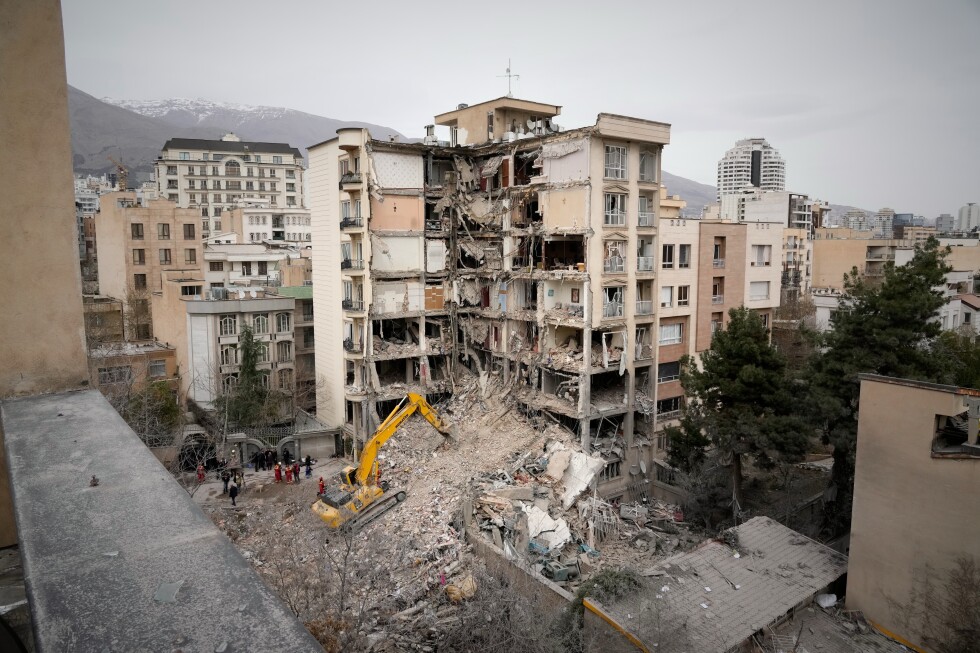
Live updates from the region reported that airstrikes have struck targets in Iran while Tehran has itself carried out attacks on Israel and on states in the Gulf. Those moves have intensified concerns about a widening conflict that could draw in additional regional and global powers, and they have created urgency around diplomatic efforts to halt the fighting and prevent further escalation.
Pakistan’s initiative to facilitate talks represents one of several diplomatic overtures appearing as leaders and envoys work to contain the fallout. The prime minister’s statement did not include detailed terms for mediation or specify potential participants, but the offer signals Islamabad’s willingness to play a role in seeking a negotiated end to hostilities. Given Pakistan’s regional connections and diplomatic relationships, its involvement could provide a venue for back-channel discussions or convening broader talks if other parties agree.
At the same time, political and economic reverberations were visible further afield. Former U.S. President Donald Trump’s public claim that the United States and Iran were engaged in talks initially sent markets higher, reflecting hopes that a diplomatic opening might reduce the risk of prolonged conflict. Those gains, however, were later pared back amid skepticism about the claim and uncertainty over whether substantive negotiations were truly underway.
The mix of military action and tentative diplomacy has heightened concern among analysts and officials, because the pathway from rhetoric to actual negotiations remains unclear. Officials and markets alike have been cautious, with observers noting that claims of secret or informal communications do not guarantee concrete progress toward a cease-fire or broader settlement.
Beyond the immediate Iran-focused crisis, other geopolitical frictions surfaced in the region of East Asia. North Korea said that a planned summit with Japan would be canceled unless Tokyo altered positions it described as 'its anachronistic' ways. That terse warning highlights how diplomatic prospects in different theaters can be fragile and tied to domestic political calculations and entrenched grievances.
The combination of on-the-ground violence, offers of mediation, and high-level political posturing illustrates the complexity confronting those trying to chart a path out of conflict. Pakistan’s readiness to facilitate talks could provide a needed diplomatic mechanism if key parties are willing to participate, but substantial obstacles remain: trust deficits among adversaries, the momentum of military operations, and the difficulty of translating informal contacts into formal agreements.
As fighting and air operations continue to shape events, the coming days will be crucial in determining whether diplomatic activity can catch up to and temper the kinetic dynamics. International actors, regional governments and markets will be watching for concrete steps toward cease-fire negotiations, credible channels for communication among belligerents, and signals that major powers are prepared to back a negotiated resolution that prevents further spillover.