Online report names Chechen and Dagestani men as claiming responsibility for 2000 ambush on Pskov paratroopers; lawyers and authorities contest accounts
A regional news site says two men — identified as Arslan Taushiev from Chechnya and Rasul Koshmanbetov from Dagestan — have claimed responsibility for an attack on Pskov paratroopers in 2000. The men are already listed by Russian authorities as alleged extremists and terrorists; their lawyers reject the allegations, pointing to gaps and contradictions in the official record of the ambush.
By Blake Marriott
913 views
A regional news website has published a report naming two men — identified as Arslan Taushiev, from Chechnya, and Rasul Koshmanbetov, from Dagestan — as claiming responsibility for an attack on Pskov-based paratroopers that took place in 2000. The site says the two men have publicly acknowledged participation in the operation against Russian forces and provides a link to the original posting.
According to the article, the men are connected in reporting to a Chechen commander named Basaev Shemalan and to a formation referred to in one passage as "НогIийн джамаIата". The item includes a Chechen-language phrase quoted from the material it republishes: "масийттаза нийсаллица герзаш диттина". The website does not, in itself, provide newly disclosed investigative documents; rather it republishes claims attributed to the two men and to the local militant formation.
The report notes the two men are already known to Russian authorities. Rosfinmonitoring, Russia’s financial monitoring agency, has listed them as associated with extremism and terrorism, and the FSB has been involved in related inquiries. The article gives basic biographical details: it says Koshmanbetov, identified as Rasul Koshmanbetov, is from Kizlyar in Dagestan and is about 40 years old; Arslan Taushiev is described as a 53-year-old from Shelkovskaya in Chechnya.
Representatives for the two men, including their lawyers, have pushed back against the assertions. The report says their legal defenders have challenged the validity of the allegations, disputed the evidence cited by authorities and media, and drawn attention to procedural shortcomings. According to the article, lawyers argue that versions of the 2000 incident differ, that some published narratives amount to propaganda, and that there has been insufficient independent verification of claims about who was responsible for the ambush.
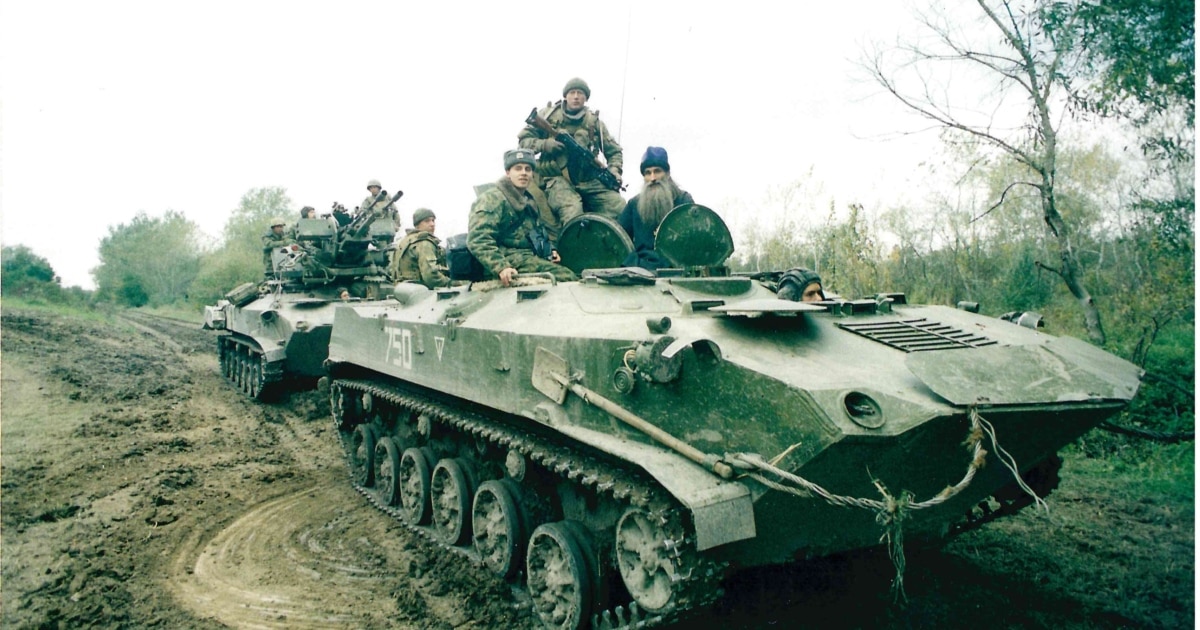
The story revisits an episode from the second Chechen war era: an attack on a detachment of Pskov paratroopers linked to the 76th Airborne Division near Ulus-Kert in 2000. The article recalls that official Russian accounts and other versions of the events have long been contested; it cites references to official statements and to critical reconstructions that offer differing figures and interpretations of what occurred during the clashes. The report points to continuing debate over casualty figures and the scale of the encounter in the years since.
Observers say the resurfacing of these claims highlights persistent problems in establishing clear, publicly accountable records of violence from the North Caucasus conflicts. The combination of online claims, prior inclusion on government lists of alleged extremists, and contested legal procedures underscores how difficult it remains for families, victims, and the public to obtain authoritative information about past incidents and responsibility for them.
The website that published the material included a link to the original post, and the item was circulated by Regional MARSHO Radio. The report does not indicate that any law-enforcement agency has opened a fresh, transparent criminal inquiry in response to the republished claims. For now, the competing accounts — the republication of an admission, government listings and the legal teams’ denials — leave the historical episode and the question of responsibility for the 2000 ambush subject to renewed dispute.
Further reporting will be needed to verify the online claims independently, to examine available investigative records from the time, and to determine whether any credible new evidence supports or contradicts the allegations attributed to Taushiev and Koshmanbetov. In the absence of such corroboration, the dispute illustrates the long shadow cast by wartime incidents in the North Caucasus and the difficulties of achieving clarity and accountability decades later.