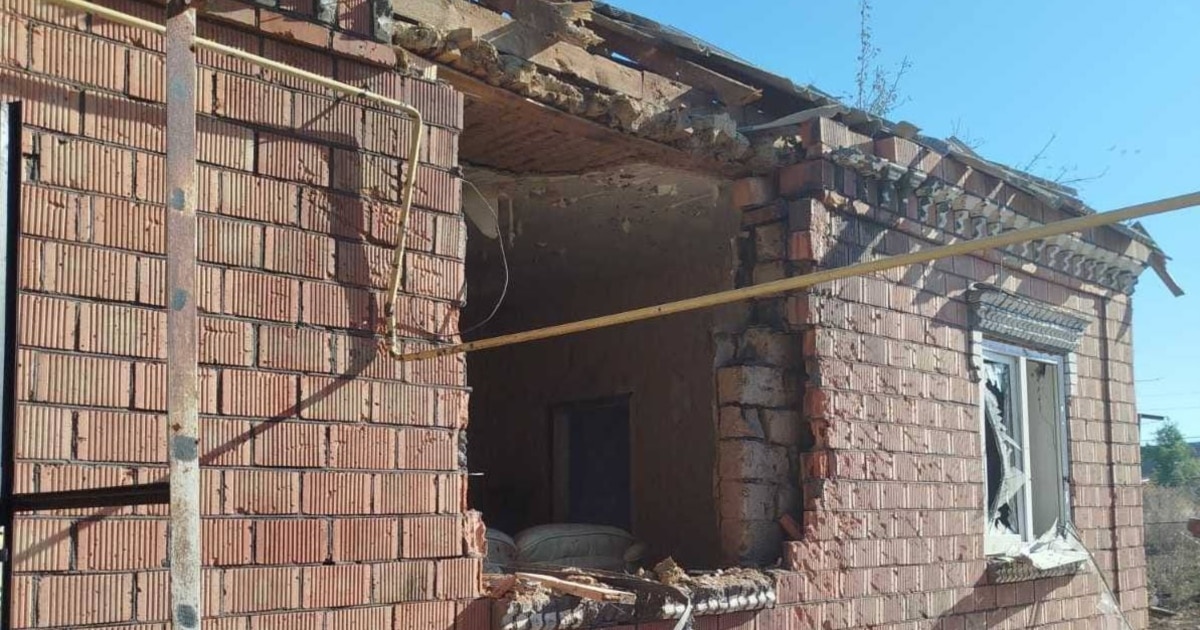
One dead and three wounded, including two children, after Russian attacks on Ukraine’s Dnipropetrovsk region, governor says
Russian strikes across three districts of Dnipropetrovsk region on 2 November left one person dead and three wounded, including a critically injured 4-year-old, according to regional authorities. The attacks, described by local officials as part of a wider pattern of assaults on civilian infrastructure, damaged homes, schools and administrative buildings and are cited by Ukrainian and international bodies as potential war crimes.
By Clémence Desjardins
970 views
Russian forces carried out repeated attacks across the Dnipropetrovsk region of Ukraine on 2 November, killing one resident and wounding three others, including two children, the head of the regional military administration reported. Oleksandr Hanzha said Russian troops struck three districts of the region more than 40 times during the day using attack drones, artillery and guided aerial munitions.
According to Hanzha, the strikes caused damage to multi-apartment and private houses, vehicles, infrastructure and administrative buildings in Nikopol district. In that area, local emergency and medical services evacuated and treated civilians after the attacks. A 4-year-old boy was admitted to hospital in a condition described as of moderate severity, while a 10-year-old boy will continue treatment on an outpatient basis.
In Synelnykove district, officials reported the death of a 61-year-old man. A local gymnasium and a warehouse were damaged in those strikes, authorities said. Separately, a resident of Kryvyi Rih district was also wounded after Russian forces shelled communities in the Hrushevska and Zelenodolsk areas, with private homes and a vehicle sustaining damage.
The attacks in Dnipropetrovsk form part of a broader pattern of strikes that Ukrainian officials say regularly target cities and civilian infrastructure across the country. The regional statement listed the types of weapons used by Russian forces in recent operations — including attack drones (unmanned aerial vehicles), rockets, guided aerial bombs commonly referred to by their Russian acronym KAB, and multiple-launch rocket systems (MLRS).
Moscow denies deliberately targeting civilian infrastructure, but Ukrainian authorities and international organizations have repeatedly characterized such strikes as war crimes. Human rights groups, legal experts and researchers cited by Ukrainian authorities argue that a sustained campaign of attacks on life-support systems — such as electricity, heating, water and medical services — together with other measures, can amount to crimes that fall within the scope of the Genocide Convention depending on intent.
The article’s account noted legal and scholarly claims that go beyond the single-day incidents in Dnipropetrovsk, saying Russian policy and actions during the full-scale invasion have also included public rhetoric denying the existence of Ukrainians as a distinct nation, calls by some Russian officials for the destruction of Ukrainians, attacks on health and education infrastructure, forced changes to schooling in occupied territories, deportations of children, and cultural plundering. The 1948 UN Convention on the Prevention and Punishment of the Crime of Genocide defines genocide to include acts intended to destroy, in whole or in part, a national, ethnic, racial or religious group, and lists specific acts such as killing members of the group, causing serious bodily or mental harm, and deliberately inflicting conditions of life calculated to bring about the group’s physical destruction.
Local officials say the immediate humanitarian consequences in Dnipropetrovsk include civilian casualties, damage to homes and public facilities, and increased risks to vital services that sustain daily life. The incidents underscore continuing concerns among Ukrainian and international observers about the protection of civilians and whether repeated attacks on non-military targets meet the threshold for international criminal prosecutions.
The Dnipropetrovsk regional administration continues to monitor damage and casualties while coordinating emergency response and medical treatment for the wounded. Ukrainian authorities and international bodies have called for accountability and investigations into attacks on civilians across Ukraine. Radio Svoboda reported these developments based on statements from regional officials and wider legal and human rights assessments; Russian authorities have generally denied targeting civilians during the conflict.
This latest episode follows a string of attacks across Ukraine this week, with other regions also reporting strikes on energy, logistics and civilian infrastructure, further straining medical services and complicating humanitarian responses as winter approaches.