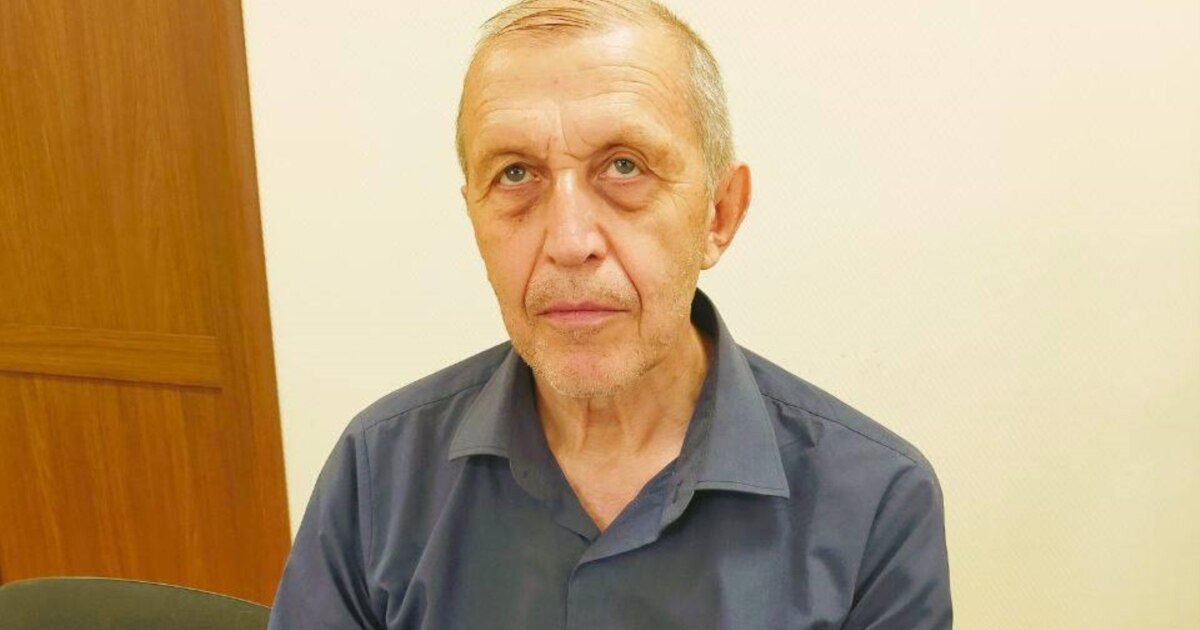
Novosibirsk Residents Raise 50,000 Rubles for 70-Year-Old Former Political Prisoner Таһир Арсланов After Release; Appeal Shortens Term by Two Months
Residents of Novosibirsk collected 50,000 rubles to welcome 70-year-old Таһир Арсланов after his release from a penal colony on June 1. Arslанов was convicted in 2023 for anti-war posts on VKontakte and remains listed by Rosfinmonitoring as an extremist, leaving his bank card blocked and his access to funds severely limited even after his release.
By Christopher Manley
825 views
Residents of Novosibirsk have collected 50,000 rubles to mark the return of 70-year-old former political prisoner Таһир Арсланов, who was released from a penal colony on June 1. The grassroots fundraising effort to help the pensioner after his imprisonment was reported by the regional outlet 7х7 — Горизонтальная Россия and initiated by Svetlana Kaverzina, a former member of the Novosibirsk city council who retained an independent position and publicized Arslанов’s case.
Arslанов was sentenced in August 2023 to three years in a penal colony after a court found him guilty of calls for terrorism and incitement to mass unrest based on posts he made on the social network VKontakte. In his online remarks he described the armed assault by a neighboring state as “Кремль фашистларының яулап алу сугышы” and urged actions against military enlistment offices, language the court treated as criminal incitement.
The case drew attention not only for the prison term itself but also for the broader consequences that followed. Russia’s financial monitoring agency, Rosfinmonitoring, subsequently added Arslанов to its list of extremists and terrorists. Authorities blocked his only bank card, leaving him without access to his funds. According to reporting, even after Arslанов was released from the colony the agency did not remove him from the list, and his account remains effectively constrained: he is reportedly unable to receive more than 10,000 rubles a month.
Arslанов’s family circumstances were part of the narrative surrounding his prosecution. He had a daughter living in Kyiv who, the family said, hid in bomb shelters after the outbreak of full-scale hostilities. While Arslанов served his sentence, his house and garden fell into disrepair. Local supporters say he has returned with the burden of repairing property that was left unattended.
Those who visited or organized assistance for Arslанов also recount a more personal loss: during a search of his home by security officials, his pet cat was killed. That detail underscores the personal costs his relatives and neighbors say were inflicted on him and on his household during the criminal case.
An appeals court has reduced Arslанов’s sentence by two months, a development noted by regional media outlets. The reduction came amid continued public attention and support for the pensioner from local activists, with Kaverzina publishing a letter he sent from detention and mobilizing residents to collect funds for his jubilee.
The fundraising — 50,000 rubles gathered by Novosibirsk residents — is intended to help Arslанов on his release as he confronts legal and financial barriers. Human rights advocates and independent media monitoring groups have highlighted cases like Arslанов’s as part of a pattern in which public expressions critical of state policy, especially regarding the war, are criminalized and followed by administrative and financial restrictions.
His case raises questions about the mechanisms used to designate individuals as extremists or terrorists and about the lasting effects those designations can have even after a sentence has been served. Blocking of bank access and the persistence of entries on sanction-style lists can continue to penalize individuals after they leave detention, creating obstacles to reintegration and recovery. Observers say such impacts merit scrutiny from rights groups and legal defenders concerned with freedom of expression, due process and post-release protections.
Local activists, former officials and independent outlets that publicized Arslанов’s situation framed the fundraising as both practical assistance and a public statement. Svetlana Kaverzina’s role in bringing his case to public attention and organizing donations demonstrates how local networks can provide assistance and advocacy for individuals who are otherwise marginalized by state measures. The case remains illustrative of tensions in Russia over dissent, criminal law and the long-term consequences of being labeled an extremist.