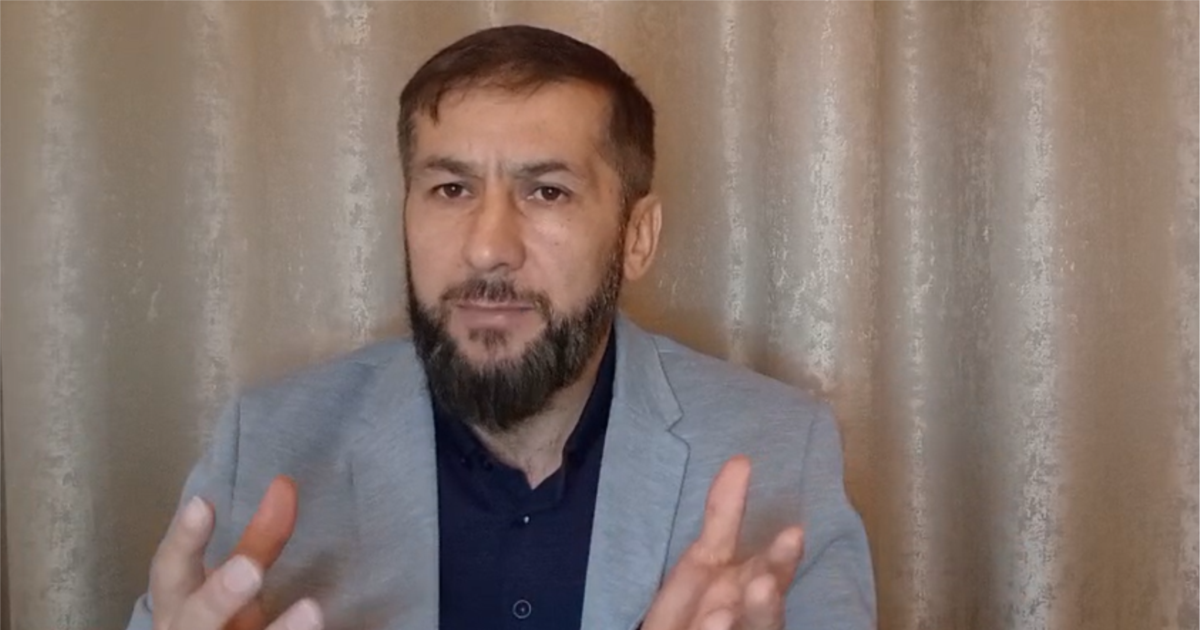
Newly Elected Head of Banned Tajik Opposition Party Says Security Services Summoned His Relatives for Questioning
Islomjon Saidov, elected 19 September as the leader of the banned Islamic Renaissance Party of Tajikistan (IRPT), says security officers in his native Nurobod district summoned several of his relatives for questioning on 22–23 September. Saidov alleges that his elderly parents, brothers and sisters-in-law were subjected to pressure; local authorities did not respond to requests for comment and the IRPT has called on international organisations to take note.
By Christopher Manley
852 views
Islomjon Saidov, who was elected on 19 September as the new leader of the banned Islamic Renaissance Party of Tajikistan (IRPT), has reported that security officials in his native Nurobod district summoned several of his relatives for questioning in late September. According to Saidov and the Tajik service of Radio Free Europe/Radio Liberty (Radio Ozodi), the interrogations took place on 22 and 23 September, only days after his election at an event held in Lithuania.
Saidov told Radio Ozodi that those called in for questioning included his parents, who are both over 70, as well as his brothers and brothers' wives. Living abroad and based in Poland since 2015, Saidov said he does not speak directly with his family and receives information through intermediaries, meaning he does not have full details of the questioning. He linked the detentions and interrogations to his political activity and his recent elevation to head the IRPT.
The Nurobod district authorities did not respond to a request for comment from Radio Ozodi. The IRPT has condemned what it described as pressure on relatives of opposition figures and has called on international organisations to monitor and draw attention to the situation. The party says such actions are part of an ongoing pattern of intimidation against Tajik opposition members and their families.
Saidov, 48, succeeds Muhiddin Kabiri, who led the party for about two decades. He was born in Nurobod district and has held leadership positions within the IRPT and the National Alliance of Tajikistan, a coalition of opposition groups operating abroad. Since 2015 he has lived and worked in Poland; his election in mid-September took place at a gathering of party members in Lithuania.
The IRPT was once Tajikistan's largest opposition party but was banned by the country’s Supreme Court in 2015 and declared a terrorist organisation following an armed mutiny by Abduhalim Nazarzoda, a former deputy defence minister. Tajik authorities accused the party's leadership of involvement in an attempted coup; the IRPT has rejected those allegations, saying they are politically motivated and amount to persecution of dissent.
Human Rights Watch and other rights organisations have previously documented and criticised Tajik authorities’ practice of summoning, detaining or otherwise targeting relatives of opposition activists who live abroad. Radio Ozodi cited Human Rights Watch findings that, after an opposition demonstration in Germany in 2023, about 50 relatives of diaspora activists in Tajikistan were detained or questioned. Rights monitors have said such measures constitute a serious breach of the country’s international human rights obligations and amount to collective punishment intended to intimidate exiled dissidents.
The latest allegations underscore long-standing concerns about the reach of Tajik security services and the vulnerabilities faced by family members of exiled activists. International rights groups and observers often characterise these tactics as attempts to silence critical voices by creating pressure on relatives who remain in the country. For now, with local officials declining to comment and Saidov limited to indirect contact with his family, independent verification of the reported interrogations remains constrained, while the IRPT awaits international scrutiny and response.