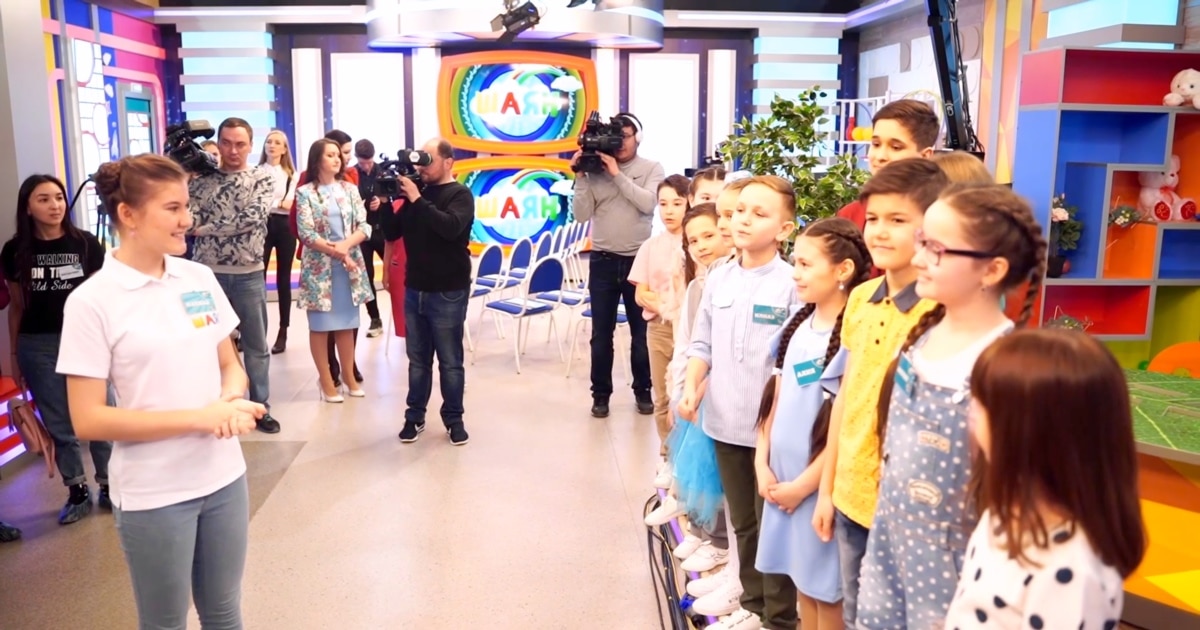
New Tatar-Language 'Vertical' Teen Series 'Ну, Кәрим!' Aims to Reach Young Audiences on Social Platforms
A new Tatar-language series for adolescents, titled "Ну, Кәрим!", has been produced by the children's channel "ШАЯН ТВ" and is slated to release its first episode on social networks on 7 September. Marketed as the first Tatar "vertical" series designed for platforms such as Instagram, TikTok and YouTube, the project's distribution faces uncertainty because some platforms are restricted in Russia.
By Clémence Desjardins
908 views
A new Tatar-language television project aimed at teenagers has been completed in Kazan and is expected to debut online early next month. The series, titled "Ну, Кәрим!", was produced by the children's broadcaster "ШАЯН ТВ", which says the first episode is scheduled to appear on social networks on 7 September. The show has been billed by state channel ТНВ as the first Tatar "vertical" series, a format adapted specifically for mobile-first platforms such as Instagram, TikTok and YouTube.
The central character of the series is an eighth-grade pupil named Кәрим Галиев, who faces the everyday experiences familiar to many adolescents: school life, friendship, and first love. Producers describe the project as an effort to modernize the presentation of Tatar language and culture in contemporary media, creating content that is engaging and competitive for younger audiences in the digital environment.
Filming took place at Kazan’s "Адымнар" multilingual school complex, and the production features appearances by several well-known Tatar performers, including Данир Сабиров, Раяз Фасыйхов, and Нурминский. The participation of prominent local artists underlines the producers’ intent to combine recognizable cultural figures with a storyline aimed at teenage viewers.
"ШАЯН ТВ" began operations at the end of 2018 as a channel devoted entirely to children’s content in the Tatar language and has since maintained continuous broadcasting. In recent years the channel has sought to broaden its appeal to include teen and youth audiences, and this series is presented as part of that strategic shift toward content for older children and adolescents.
The initiative also responds to demand among people learning Tatar for accessible, everyday-language programming. The article cites language learner Сергей Сумленный, who told Азатлык that simple, plot-driven youth series focused on everyday topics are particularly effective for language acquisition, and that such formats have been lacking in Tatar-language media until now. Azatlyk itself runs projects aimed at Tatar-language learners, including the "Әйдә! Online" initiative, which has provided learning materials since 2018.
Despite the production and planned online release, the series’ distribution faces notable uncertainties. The release strategy emphasizes vertical-format platforms, but access to those services is not guaranteed: the article notes that Instagram is blocked in Russia and that YouTube is limited, raising questions about how widely the series will be available to its intended audience inside the country. These platform restrictions illustrate broader challenges for minority-language content creators seeking to reach audiences through mainstream digital services.
Producers say the project's main objective is to expand the presence and appeal of the Tatar language in the digital sphere and to craft content that can attract and retain young viewers. If the series reaches its intended audiences, it could mark an important step in using modern formats to sustain and promote a regional language and culture. At the same time, the hurdles posed by platform accessibility underscore persistent tensions between digital distribution ambitions and the practical barriers faced by media in regions with restricted access to global social platforms.
The series’ planned rollout and its reception among both native speakers and learners of Tatar will be watched by cultural advocates and media professionals interested in minority-language programming and the ways digital media can be harnessed to support linguistic and cultural rights.