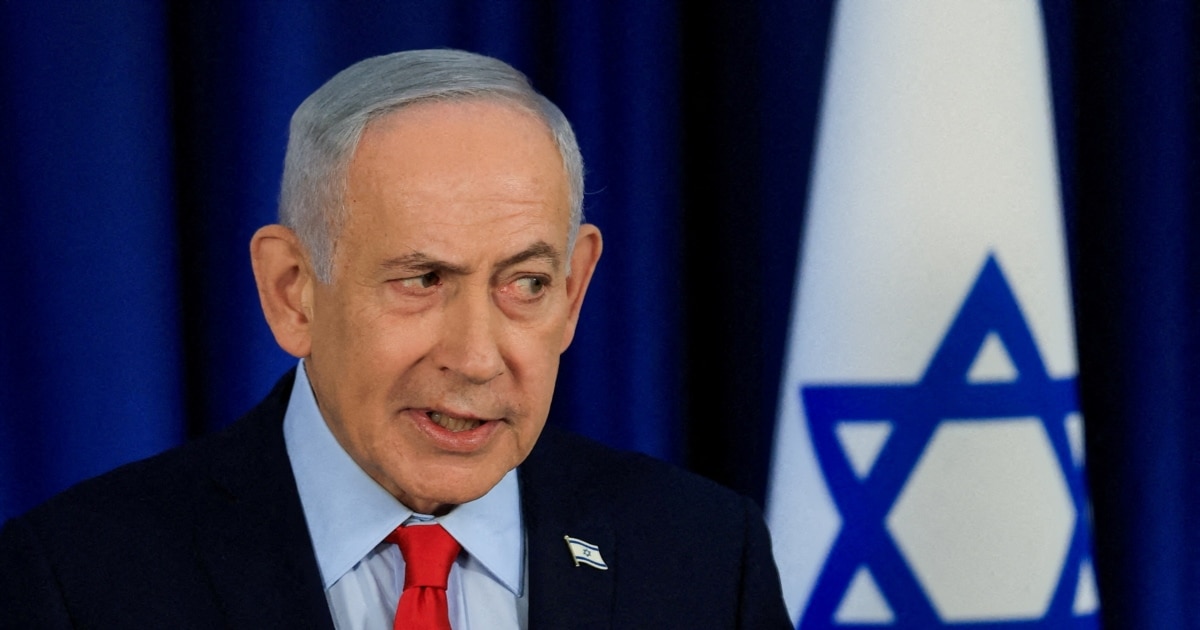
Netanyahu Urges U.S. to Halt F‑35 Sale to Turkey, Citing Regional Balance Amid Israel–Turkey Rift
Israeli Prime Minister Binyamin Netanyahu has publicly asked the United States not to proceed with selling F‑35 fighter jets to Turkey, arguing the transfer would upset the balance of power in the Middle East. His appeal arrives as ties between Ankara and Tel Aviv have frayed over Israel's Gaza operations and the recent Israeli government decision to recognize the 1915 events as an "Armenian genocide," a move that has provoked criticism from Turkey and calls for reconsideration from Azerbaijan.
By Vanessa Bergmann
1,076 views
Israeli Prime Minister Binyamin Netanyahu has urged the United States not to sell F‑35 stealth fighter jets to Turkey, warning that such a transfer would upset regional power dynamics. Speaking in an interview with Fox News, Netanyahu said, "Bu, Yaxın Şərqdəki güclər balansını pozar," signaling that Israel views a potential sale as a direct strategic concern.
The appeal to Washington comes as U.S. President Donald Trump was en route to Ankara to attend a NATO summit, where the issue was expected to be on the agenda. The timing underscores the diplomatic sensitivity: Turkey is a NATO member and a longstanding purchaser of U.S. military hardware, but recent political and human-rights disputes have complicated bilateral ties with Israel.
Relations between Israel and Turkey have deteriorated markedly in recent months. Ankara has publicly accused Tel Aviv of committing genocide and other military crimes in its offensive in Gaza. Those allegations grew louder after Israel's government moved to formally recognize the 1915 events that took place in the Ottoman Empire as an "Armenian genocide," a decision driven by a proposal from Foreign Minister Gideon Saar.
Nazir Saar, who advanced the recognition proposal, framed the move as a moral obligation. As quoted in the government announcement, he said: "Fikrimcə, bu, bir yəhudi olaraq və təbii ki, yəhudi xalqının dövləti kimi bizim mənəvi borcumuzdur. Doğru olanı etmək heç vaxt gec deyil." The cabinet approved the proposal and a draft bill was submitted to the Knesset, marking a significant policy shift for Israel.
The Israeli decision has prompted immediate diplomatic ripples. Turkey's Foreign Ministry denounced the recognition as politically motivated and suggested it was intended to deflect criticism of Israel's actions in Gaza. In its statement, Ankara said: "İsrail hökuməti 1915-ci il hadisələri ilə bağlı siyasi qərar qəbul etməklə öz cinayətlərini gizlətməyə çalışır. Bu addım tarixi və hüquqi faktları nəzərə almır" — a charge that links the recognition directly to ongoing hostilities in Gaza and to international scrutiny of Israeli military operations.
Azerbaijan's Foreign Ministry also criticized Israel's move, warning that politicizing historical events undermines reconciliation and could deepen existing tensions in the region. Baku urged Israel to reconsider the decision; the Azerbaijani government has previously opposed formal recognition of the 1915 events as genocide, reflecting its close strategic partnership with Israel and sensitivities around regional diplomacy following Azerbaijan's regained control over Nagorno-Karabakh.
Armenia has so far been muted in its response: Prime Minister Nikol Paşinyan told journalists that Yerevan did not see the need to react strongly to Israel's decision. "İsrailin bu qərarına reaksiya verməyə ehtiyac duymuruq. Çünki bu məsələnin siyasi silaha çevrilməsi Ermənistanın maraqlarına uyğun deyil. Qısası, hər hansı reaksiyaya ehtiyac yoxdur," he said, signaling a cautious diplomatic posture despite the symbolic importance of wider international recognition for Armenia.
The historical dispute over the events of 1915 remains deeply contested. Armenian historians maintain that mass arrests began on April 24, 1915, and that as many as 1.5 million Armenians were killed or died during deportations — a narrative that has been recognized by roughly 30 national parliaments, including those of Russia, France, Germany and the United States. Turkey accepts that tragic events occurred but rejects the term "genocide" and disputes the casualty figures.
The broader context for these tensions includes the October 7, 2023 Hamas attack on southern Israel, which precipitated Israel's wide-ranging military operations in Gaza. Israeli authorities say the initial assault killed more than 1,000 people and resulted in over 250 hostages taken by Hamas; those figures have shaped regional reactions and international debates about proportionality and accountability in the ensuing conflict. Israel had previously been cautious about equating the 1915 events with the Holocaust and had avoided formal recognition despite past parliamentary discussions, including a 2018 proposal that did not advance to a government decision.
As Washington prepares for high-level meetings in Ankara and as diplomatic fallout continues across the region, the convergence of military, historical and human-rights disputes highlights how contested narratives about the past and present are shaping current foreign-policy choices. The question of whether the United States will proceed with advanced arms transfers to Turkey — and whether such moves would further inflame or stabilize regional relations — remains central to an evolving diplomatic landscape.