Navi Pillay awarded 2026 Nobel Peace Prize for defending international law; Venezuelan political turmoil and other laureates recalled
The Norwegian Nobel Committee has named South African jurist Navanethem “Navi” Pillay the recipient of the 2026 Nobel Peace Prize for her contributions to protecting peace and upholding international law. The announcement comes alongside references to the 2025 laureate María Corina Machado and recent developments involving Venezuela’s leader Nicolás Maduro, underscoring continuing tensions between human-rights advocacy and political conflict.
By Alexander Walter
921 views
The Norwegian Nobel Committee has awarded the 2026 Nobel Peace Prize to South African jurist Navanethem “Navi” Pillay, citing her long-standing work in the protection of peace and international law. In its announcement, the committee highlighted Pillay’s career as a judge and human-rights advocate who, despite encountering severe discrimination and pressure in her home country, rose to senior international roles and consistently defended legal norms intended to prevent conflict and atrocity.
Navanethem Pillay was born in Durban, South Africa. Over the course of her career she achieved several historic milestones: she became the first non-white woman appointed to a senior judicial position in South Africa’s courts, served as president of the International Criminal Tribunal for Rwanda (ICTR), held the post of United Nations High Commissioner for Human Rights, and later served as a judge at the International Criminal Court (ICC). The Nobel Committee framed the award as recognition of her service to the protection of peace and international law, noting her contributions across national and international tribunals.
The Committee’s choice reflects the intersection of judicial accountability, human-rights protection and international justice. Pillay’s work at the ICTR and the ICC involved the legal adjudication of mass atrocity crimes and the development of jurisprudence intended to deter and punish grave violations of human rights. For the Nobel Committee, awarding Pillay the Peace Prize underscores the continuing relevance of international legal institutions in preventing conflict and securing accountability for abuses.
The announcement also recalled recent Nobel Peace Prize developments in the region of Latin America. The 2025 Nobel Peace Prize was awarded to Venezuelan opposition politician María Corina Machado for her efforts to promote democratic rights and a peaceful transition from authoritarian rule in Venezuela. The Nobel Committee had praised Machado’s persistent advocacy for democratic freedoms and the rule of law in the face of severe repression.
The article notes that in January 2026 María Corina Machado presented her Nobel medal to then-US President Donald Trump, praising what she described as his commitment to Venezuela’s freedom. That event has drawn attention because it tied a recent Nobel laureate’s recognition to high-profile international political figures, and because other developments involving Venezuela have raised broader questions about justice and accountability.
In a development mentioned in the source report, United States forces reportedly carried out a special operation that resulted in the capture of Venezuelan President Nicolás Maduro. The report states that Maduro was taken to New York and placed in prison; he has denied the drug-related charges brought against him. The circumstances of Maduro’s capture, the use of foreign forces in an operation involving a sitting head of state, and subsequent detention in the United States raise complex legal and human-rights issues, including questions about due process, jurisdiction and the application of international law.
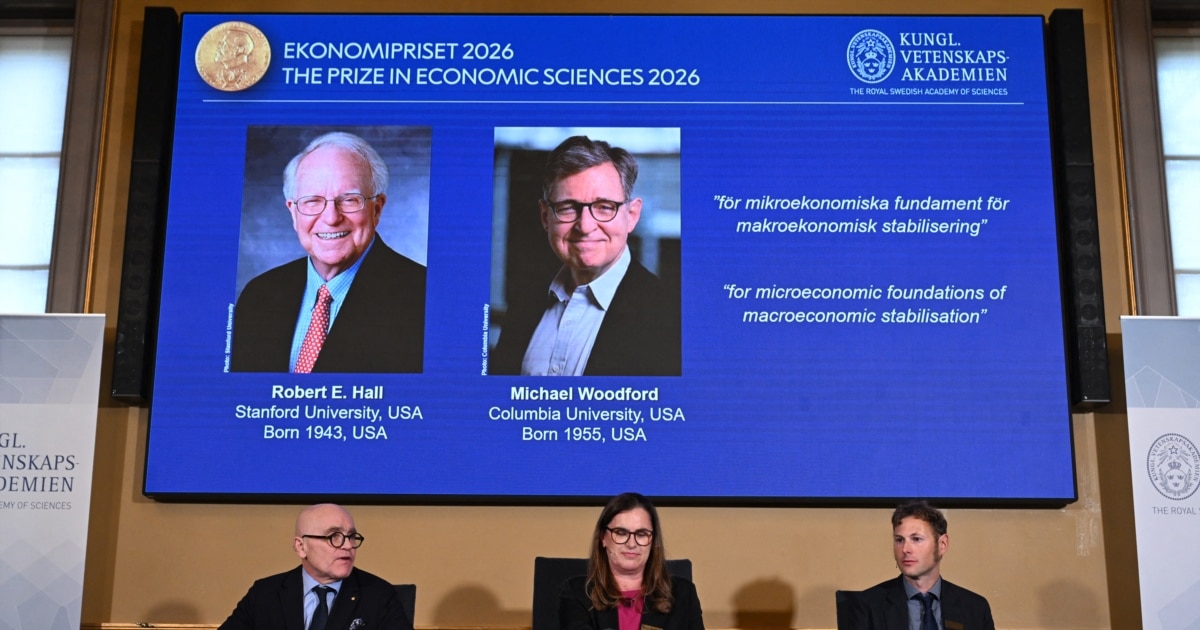
The Nobel announcements were made alongside news of laureates in other fields. The Swedish Royal Academy of Sciences named American economists Robert E. Holl and Michael Woodford as recipients of the 2026 economics prize for work on the microeconomic foundations of macroeconomic stabilization—research the Academy said has informed models used by central banks and governments. Other 2026 Nobel winners in literature, chemistry, physics and medicine were also noted in the wider coverage, but the Nobel Peace Prize winner and the references to Venezuela’s ongoing political crisis place human-rights and international-legal concerns at the forefront of this year’s awards coverage.
Pillay’s recognition is significant for rights advocates and legal practitioners because it spotlights the role of international law in confronting abuses and protecting vulnerable populations. At the same time, the juxtaposition of prize announcements with the contested detention of a national leader underscores how questions of accountability, sovereignty and the enforcement of law continue to provoke debate internationally. Observers and human-rights organizations will likely scrutinize both the legal processes connected to Maduro’s detention and how international institutions continue to engage with states accused of rights violations.