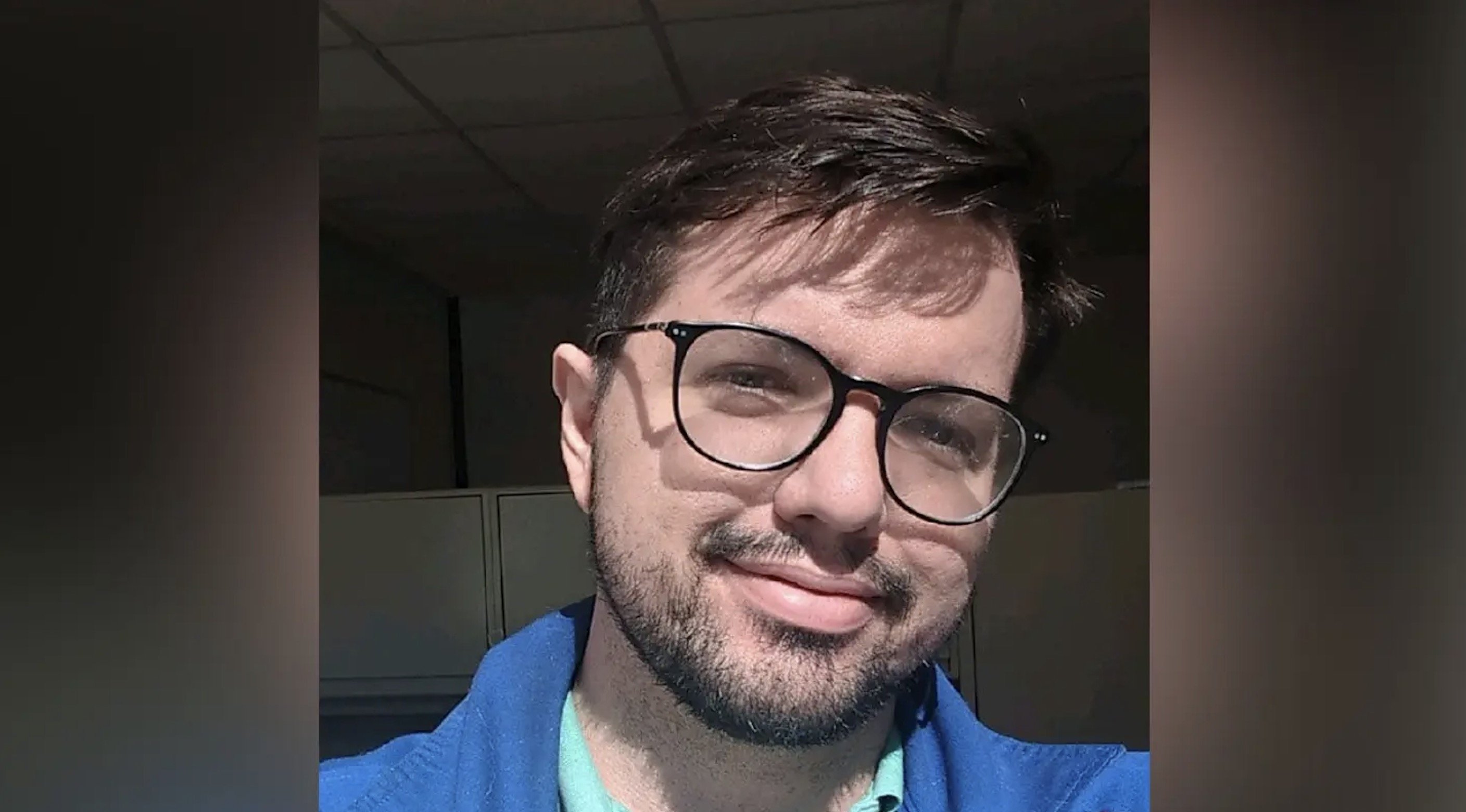
NASA Nuclear Propulsion Engineer Found Dead in Burned Tesla; Family Seeks Answers as Federal Probe Expands
Joshua LeBlanc, a 29-year-old engineer at NASA’s Marshall Space Flight Center who worked on nuclear propulsion efforts, was found burned beyond recognition in his Tesla after a single-vehicle crash in Alabama on July 22, 2025. His family, noting missing personal items and an unusual detour, has raised concerns while federal authorities say they are centralizing investigations into multiple suspicious cases involving U.S. scientists.
By Jim Hᴏft
926 views
A 29-year-old NASA engineer who specialized in nuclear propulsion technology was found dead inside his burned Tesla following a single-vehicle crash in rural Alabama last July, authorities and family members said, fueling renewed concern as federal investigators centralize probes into a pattern of suspicious deaths and disappearances among U.S. scientists.
Joshua LeBlanc, described by colleagues as a rising star at NASA’s Marshall Space Flight Center in Huntsville, was located inside his charred 2021 Tesla Model 3 after the vehicle veered off the road and struck a guardrail and several trees. The crash occurred on July 22, 2025; the Alabama Law Enforcement Agency confirmed the car erupted in flames and investigators reported the body was burned beyond recognition, requiring forensic testing for identification.
LeBlanc had been a team lead for NASA’s Space Nuclear Propulsion (SNP) Instrumentation and Control maturation work and later served on the Demonstration Rocket for Agile Cislunar Operations (DRACO) program, a nuclear thermal propulsion project intended to advance deep-space travel capabilities. His professional role drew attention given the technical sensitivity of nuclear propulsion research and the broader context of other recent unexplained fatalities and disappearances among scientists and engineers working in aerospace, defense, and energy sectors.
Family members reported LeBlanc missing early the morning of the crash after he failed to show up for work and did not respond to communications. They said his last known contact was at 4:32 a.m. that day and noted several details that they found troubling: LeBlanc’s phone, wallet and even his dog remained at his Huntsville apartment; his Tesla was tracked as sitting for about four hours at Huntsville International Airport, minutes from his home, before it departed and later was found on rural backroads. Those circumstances have led his family to voice concerns that he may have been abducted prior to the crash.
Reports about the precise crash location vary in accounts released after the discovery. Some official statements place the wreck on Hill Road near Drummond Switch Cut Off Road in Walker County, described as roughly two hours from Huntsville, while family statements and other reports referenced discovery in Florence, Alabama. Investigators said the extreme fire damage left little physical evidence at the scene.
LeBlanc’s death has been folded into a larger investigative effort by federal authorities. The FBI is leading a coordinated probe alongside the Departments of Energy and Defense to review recent cases involving deaths or disappearances of U.S. scientists and engineers. Lawmakers and administration officials have publicly expressed alarm at the pattern and the possibility that foreign actors could be exploiting vulnerabilities to target high-value expertise.
House Oversight Committee Chairman James Comer described the string of incidents as “sinister,” and Rep. Eric Burlison (R-MO) said he “would not be surprised” if foreign adversaries such as China, Russia or Iran are involved. On Fox News’ Sunday Morning Futures with Maria Bartiromo, Patel said President Trump had been briefed on the cases and outlined the federal plan to centralize investigative efforts. Patel said in part: “These missing and killed scientists and former professional members of the Department of Energy vary in a wide range, and we’re working most importantly with our state and local partners who have jurisdiction on each of these cases, whether they be a homicide or a missing person’s case; they have the evidence.”
Patel added: “What we’re going to do is collectively pull it all into one place. We started this process last week, and then we’re going to look for connections, on whether there are connections to classified access, access to classified information, and or foreign actors, and then we will produce that information to the White House and the world because it’s of such great public importance. And if there are any connections that lead to nefarious conduct or conspiracy, the FBI will make the appropriate arrest.”
The circumstances of LeBlanc’s disappearance and death, and the apparent lack of personal effects in the vehicle and at the crash site, have left his family seeking answers and raised questions among lawmakers and national security officials. The FBI and partner agencies have not publicly detailed whether investigators have found any links between LeBlanc’s work and classified programs, or whether the burn damage of the vehicle destroyed potential forensic evidence. As the centralized review proceeds, authorities have indicated they will examine connections among the incidents and consider whether access to classified information or foreign involvement played any role.
The case adds to growing scrutiny of researcher safety and information-security practices at institutions involved in advanced propulsion, plasma research, aerospace and defense. For LeBlanc’s family and colleagues, the search for answers continues as federal authorities coordinate a broader inquiry that officials say is intended to identify patterns and, if warranted, lead to criminal charges or further national security actions.