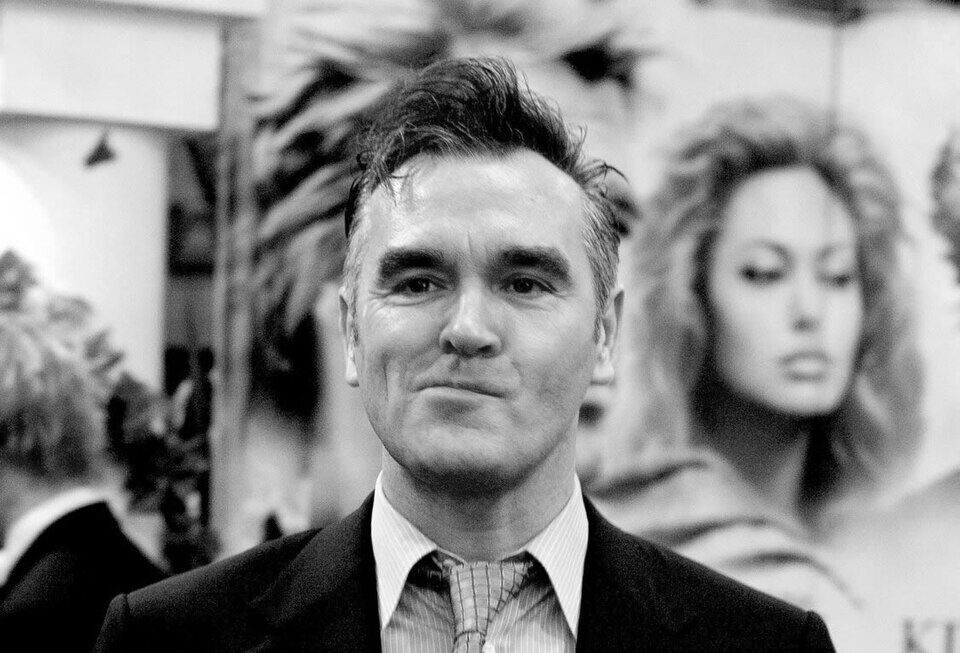
Morrissey Releases Make-up Is a Lie After Unreleased Album Was Pulled; New Record Reignites Debate Over Art and Politics
Morrissey has issued Make-up Is a Lie, his first record following the shelving by Capitol Records of the five-year-old Bonfire of Teenagers. The new album includes songs that touch on the same contentious subjects that critics and former fans have cited as reasons to shun the artist, and it has prompted renewed discussions about whether political objections should influence artistic appraisal.
By Daniel J. Flynn
825 views
Morrissey has released Make-up Is a Lie, his first album since Capitol Records pulled the five-year-old, previously unreleased Bonfire of Teenagers. The new record does not simply repackage the shelved LP under a different title, but several songs on Make-up Is a Lie revisit themes and controversies that observers have suggested contributed to the earlier album’s withdrawal.
One of the tracks on the new album, titled “Notre-Dame,” includes lyrics that raise questions about the cause of the fire at the French cathedral, singing “Before investigations/They said there’s nothing to see here.” Other material on the record also addresses charged subjects: the source for this report notes a lyric from the unreleased album’s titular track that referenced the Manchester terrorist attack by quoting, “The morons sing, ‘Don’t Look Back in Anger’/I can assure you I will look back in anger ‘til the day I die.” Those song lines have figured in public discussion of Morrissey’s more recent work and its reception.
Reactions to Make-up Is a Lie among critics and longtime fans have been mixed and in some quarters sharply negative. A review on Paste.com begins, “Remember when Morrissey was actually good?” and ends bluntly: “Do not listen to it.” The same review and other commentary reflect a wider phenomenon in which fans who admired Morrissey in the 1980s and 1990s have urged listeners to avoid his newer work on grounds related to the artist’s public statements and perceived political positions.
Other tracks on Make-up Is a Lie have drawn attention for their subject matter and tone. One song, titled “Lester Bangs,” functions as an homage to the late music critic associated with Creem and the Village Voice, a writer who was sometimes at odds with mainstream outlets such as Rolling Stone. Morrissey references Bangs in lyrics that include, “But ah, when you lift your pen/For Roxy Music and the Dolls/The Village Voice, it has no choice/It must laud your every word.” The inclusion of a track saluting a well-regarded critic of rock music has been framed by some commentators as an attempt to contrast past critical tastes with what they see as present-day political prioritization in cultural discourse.
The debate around the record reaches beyond individual song choices, tapping into broader questions about whether an artist’s political or personal views should affect the way audiences and critics judge their work. The Spectator piece notes parallels in recent years, pointing to other musicians such as Van Morrison and Eric Clapton, whose criticism of COVID-19 public policy led to reevaluations of their reputations by some listeners.
The article situates these contemporary disputes within a longer history of arguments over the role of politics in art. It recalls Max Eastman’s writings and the 1933 founding in Britain of Artists International, which the piece quotes as proclaiming that art “renounces individualism,” awaits collectivization, needs systemization, organization, and discipline, requires creation under the guidance of a political party, and, most importantly, “is to be wielded as a weapon.” The author uses this historical context to frame a critique of what he describes as a modern tendency among some cultural gatekeepers to subordinate aesthetic judgment to ideological considerations.
Morrissey’s career has long been marked by a combination of critical praise and controversy. The Spectator notes that earlier albums such as Meat Is Murder and songs addressing homosexual themes like “Piccadilly Palare” and “Hairdresser on Fire” once positioned him as an influential and innovative figure in British rock. The release of Make-up Is a Lie, and the conversation surrounding it, underscores that debate about the separation (or lack thereof) between an artist’s creative output and their public persona remains a prominent and unresolved question in contemporary cultural criticism.
As the new album circulates, listeners and commentators will continue to parse its lyrics and artistic gestures while reexamining how past and present controversies shape reception. Whether Make-up Is a Lie will alter Morrissey’s standing among critics and fans depends as much on individual listeners’ assessments of the music as on evolving judgments about the relationship between politics and art.