Montenegro Refuses to Extradite Chechen National, Citing Risk of Torture; Case Draws International and Diaspora Reactions
Montenegrin authorities have declined to extradite a Chechen man, identified as Musxanov, to Russia after concluding that returning him would expose him to a real risk of serious harm, including torture. The detainee is currently held at Spuž prison and the case is being processed by Montenegrin courts, with his lawyers and international bodies likely to be involved.
By Christopher Manley
840 views
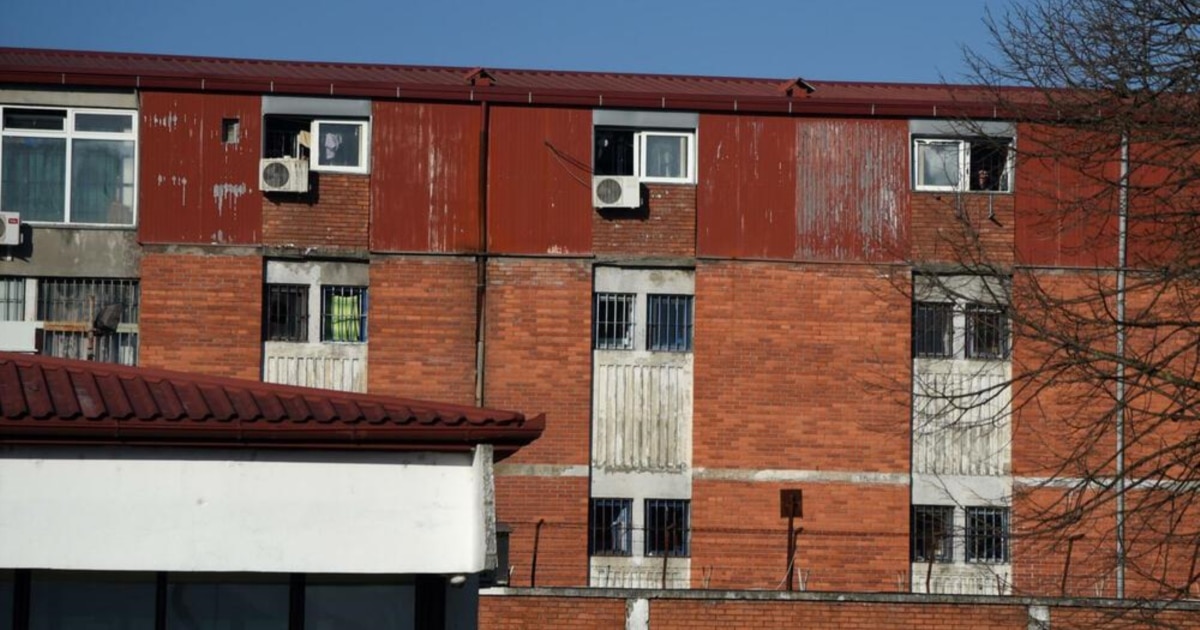
Montenegrin authorities have refused to extradite a Chechen national identified in local reporting as Musxanov to Russia, concluding that returning him would expose him to a real risk of serious harm, including torture and other forms of ill‑treatment. A spokesperson identified in the coverage, Rozas Dunaeva, said the man is currently detained at Spuž prison in Montenegro while the case is being handled by prosecutors and courts in Podgorica.
Dunaeva told reporters that Montenegrin officials carefully reviewed the circumstances surrounding the request for extradition and assessed the potential consequences if the individual were sent to Russia. She said prosecutors found credible grounds to believe that the detainee could face persecution and inhuman treatment upon return, and that this finding underpinned the decision not to carry out the extradition.
“The assessment showed a real and serious risk of harm from Russian authorities, including the prospect of torture and other degrading treatment,” Dunaeva said in translated comments. She added that Montenegrin authorities followed established procedures in reaching the decision, and that the legal process remains ongoing in Podgorica as lawyers for the detainee pursue all available avenues, including filings with European human rights bodies.
According to the report, the detainee’s legal team has signalled an intention to take the matter before European institutions, a step that could include appeals to the European Court of Human Rights. Montenegrin courts and prosecutors are responsible for processing the case domestically, and the decision not to extradite appears to reflect Montenegro’s obligations under international human rights standards to avoid sending people to countries where they face a real risk of torture or cruel, inhuman or degrading treatment.
The extradition matter has prompted reactions beyond Montenegro. The coverage notes that figures in Moscow and some Chechen diaspora networks have responded, framing the case in different terms and characterising public campaigns around it. The report cites references to a UN-related human rights document authored by an expert named Mariana Katsarova; that document appears to be part of wider international scrutiny of human rights conditions and has been invoked in debates over such cases.
Responses from within Chechnya and among Chechen officials also feature in the report. Chechen ombudsman Mansura Soltaev is cited as sharply criticising Mariana Katsarova, accusing her of siding with or enabling what he described as terrorist elements — an allegation made in the context of disputing the findings and characterisations in international reports. The coverage does not provide further detail on the ombudsman’s claims beyond noting his critical stance.
The article also highlights concerns voiced by Chechen activists outside Russia. A Chechen identified as Mansura Movlaev, who is reported to be in Kazakhstan, said he experienced pressure from local prosecutors and indicated intentions to seek help from United Nations bodies, reflecting broader anxiety among exiled Chechens about the reach of Russian or allied authorities. Movlaev’s statements underscore a pattern cited by human rights monitors, where individuals connected to Chechnya living abroad express fear of arrest, extradition, or other forms of coercion.
Human rights observers say extradition requests that carry a risk of torture require rigorous scrutiny and often trigger international protections. Montenegro’s decision in this case will likely be watched by rights groups and legal advocates concerned with the safety of asylum‑seekers and political exiles. The case also illustrates broader tensions between national security concerns, diplomatic relations, and international obligations to prevent refoulement — the forcible return of people to places where they face serious human rights violations.
Montenegrin authorities have so far made only limited public comment beyond the assessment described by Dunaeva, and the matter remains in the hands of domestic courts in Podgorica. Lawyers for the detainee are reported to be pursuing further legal options, including bringing the matter to European human rights institutions. The unfolding proceedings will be relevant to how states in the region balance extradition cooperation with the duty to protect individuals from torture or persecution if returned to their country of origin.
This development comes amid ongoing international scrutiny of human rights conditions affecting Chechens and others from the North Caucasus, and it is likely to generate sustained attention from diaspora networks, human rights organisations and international monitoring bodies as legal processes continue in Montenegro.