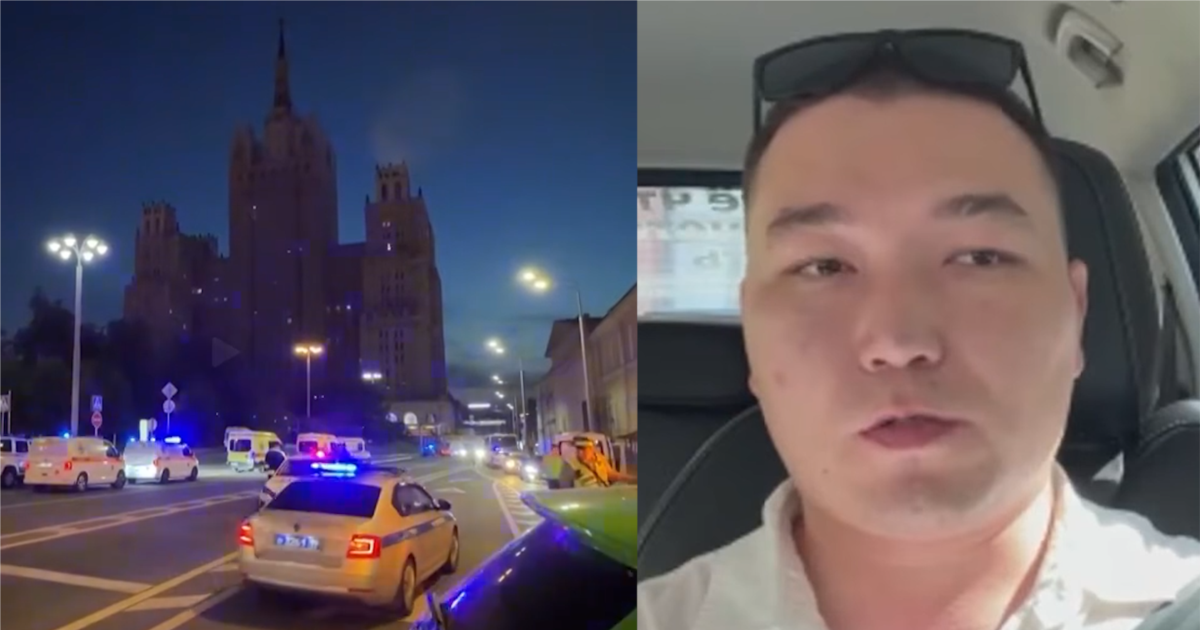
Migrant couriers in Moscow report intensified security checks after August 1 restaurant blast
After an August 1 explosion at a Moscow restaurant, migrant couriers in the city say they have been subject to stepped-up identity checks and searches by security personnel. Members of Central Asian diasporas have warned couriers to be cautious as authorities conduct more frequent stop-and-inspect operations.
By Clémence Desjardins
982 views
Migrant couriers operating in Moscow say they have been subjected to intensified checks and searches by security personnel in the days following an explosion at a city restaurant on August 1. Workers who deliver food and parcels report that officers have increasingly stopped them on the street, examined their bags and opened the boxes they are carrying while performing identity checks.
The accounts, provided by couriers and referenced by diaspora representatives, indicate a rise in proactive checks by law enforcement and other security services across parts of the Russian capital. Those affected describe the interventions as more frequent and more intrusive than usual, with inspections of personal effects and delivery cargo becoming a regular occurrence for some couriers.
Diaspora organisations that represent migrant communities have responded by urging caution. Representatives told members of their communities to be vigilant and prepared for stops, advising couriers to carry proper identification and to be aware of their rights during interactions with law enforcement. The call for caution underscores the immediate practical impact such measures can have on people whose livelihoods depend on timely and uninterrupted mobility across the city.
The increased checks follow the reported explosion at a Moscow restaurant on August 1. Authorities have intensified security measures in the wake of the incident, and migrants working in visible public-facing jobs such as delivery couriers say they have been particularly affected. While the heightened scrutiny is framed by authorities as part of broader security efforts, it has prompted concern among migrant communities about harassment, delays in work and potential profiling.
Migrant couriers constitute a significant segment of the urban informal workforce in Moscow and other large Russian cities, and they often rely on speed and access to make a living. Repeated stops and inspections can impede deliveries and reduce earnings, while also fostering a climate of uncertainty and fear. For some migrants, who may lack full legal status or face language and cultural barriers, encounters with security services can be intimidating even when conducted within the bounds of the law.
Human rights advocates and civil liberties observers generally warn that security measures implemented after violent incidents can disproportionately affect minorities and migrant populations unless safeguards are in place to prevent discriminatory practices. While the current reports focus on couriers being stopped and searched, diaspora representatives have not detailed specific instances of abuse or detention in their public statements; they have emphasized prudence and preparedness in dealings with authorities.
The situation highlights broader tensions between public security imperatives and the protection of vulnerable groups’ rights. Effective policing after a security incident can be crucial to public safety, but measures that single out particular categories of people risk undermining trust between communities and authorities. For migrant couriers, who must balance compliance with official requests against the pressures of meeting delivery schedules, the impact is immediate and practical as well as symbolic.
As the city remains on heightened alert, migrant and diaspora groups in Moscow and in Central Asian communities that follow developments are monitoring the situation. They continue to advise couriers to carry identification and to report instances of unlawful treatment. Observers say that transparency about the scope and conduct of security checks, and clear communication from authorities, would help address concerns about potential discrimination while allowing legitimate security operations to proceed.