Mercè 2026: Barcelona Celebrates Its Identity in an Increasingly International City
From September 23 to 27, La Mercè 2026 transforms Barcelona's streets into a stage for 719 activities blending Catalan tradition with international culture — with Shanghai as the first Asian guest city. But beyond the castellers, correfocs and concerts, the festival poses a quieter question every September: what kind of city does Barcelona want to celebrate?
By Juan Pablo Torrents-Faura
917 views
Barcelona once again becomes a stage for five days. From September 23 to 27, La Mercè 2026 will fill the city’s streets, squares, parks and cultural spaces with a distinctive mix of popular tradition, music, performing arts and international culture. But Barcelona’s biggest festival is also something more: a different portrait each year of a city undergoing constant change.
La Mercè originated in Barcelona’s historical and religious identity — the Virgin of La Mercè is the city’s patron saint — but over time it has also evolved into a major civic and cultural celebration. Today, it functions as a vast festival made up of many different festivals: popular culture, street arts, concerts, family activities and contemporary artistic performances. This year’s programme includes 719 activities, a scale that reflects how far the festival has moved beyond being simply a local celebration to become one of the city’s major cultural events.
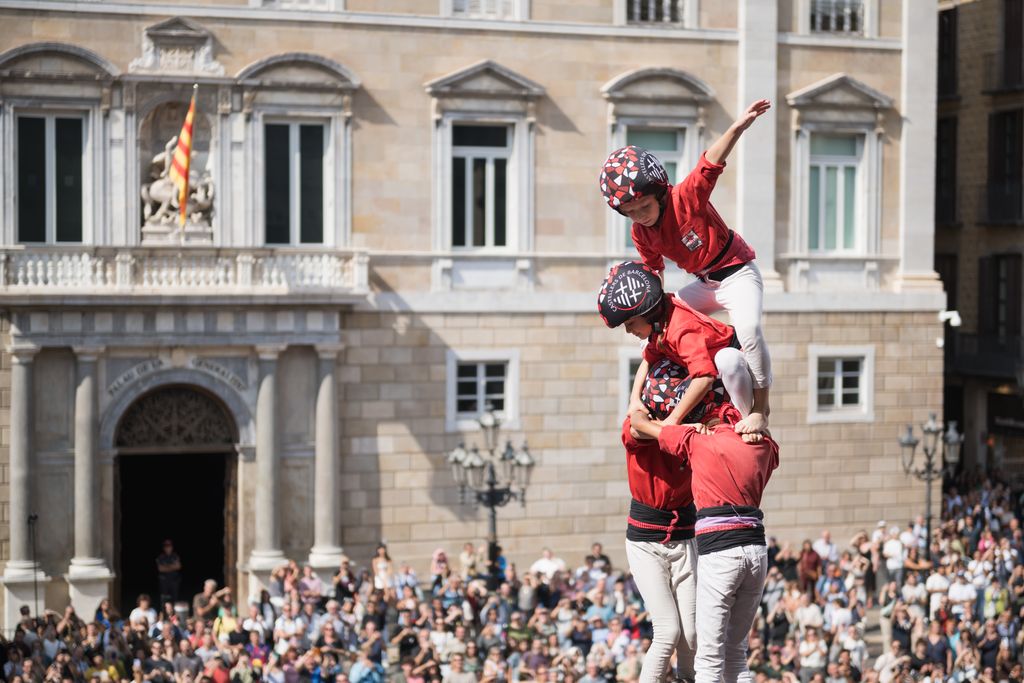
One of the keys to this evolution is La Mercè’s ability to combine tradition with contemporary culture. Castellers — the human towers that are one of Catalonia’s most distinctive cultural traditions — alongside giant figures, correfocs and other expressions of popular culture share the programme with urban music, hip-hop, jazz, contemporary circus and international performances.
The 2026 edition particularly highlights this international dimension. Shanghai is the guest city, coinciding with the 25th anniversary of the twinning between Barcelona and the Chinese metropolis. More than a hundred artists connected to Barcelona’s Chinese community will take part in the festivities, bringing music, traditions and street arts from China into the heart of the celebration. Shanghai is also the first Asian city to be invited to La Mercè.
The international presence, however, extends far beyond Shanghai. The artistic programme will bring together companies from France, China, Belgium, Finland and South Africa in a programme combining circus, acrobatics, music and large-scale performances. The music programme also reflects a Barcelona connected to other cities and cultural scenes. Artists such as Sorvina, born in New York and based in Berlin, are part of a programme that crosses genres, geographical borders and identities.
At the same time, La Mercè remains a deeply Barcelona celebration. One example is Sabor de Gràcia, a key group in Catalan rumba, which will mark three decades of its career with a free concert on Avinguda de la Catedral. Their music connects a tradition born in Barcelona’s neighbourhoods with an international outlook.
During these days, the city stops being simply the place where everyday life takes place and becomes a shared stage. Public museums will open their doors free of charge, while parks will host performances and cultural activities. On September 24, for example, the Museu Marítim will offer free admission, bringing Barcelona’s maritime heritage closer to residents and visitors alike.
In a Barcelona shaped by tourism, cultural diversity and growing international visibility, La Mercè raises an implicit question every September: what kind of city does Barcelona want to celebrate?
The answer in 2026 appears to lie in this mixture. A city that celebrates its traditions while embracing new voices; that looks towards its neighbourhoods while also looking towards Shanghai, Berlin and Cape Town; and that uses its public spaces not only to welcome visitors but also to represent the diversity of those who live there.
For five days, Barcelona becomes both a stage and a protagonist. Its streets tell a story of tradition and change, memory and diversity, neighbourhood and world. The festival also offers a glimpse of how Barcelona is positioning itself internationally: open to new influences while continuing to define its own cultural identity. Because in Barcelona, the way a city celebrates is also a way of deciding what kind of city it wants to be.