Massacre by Gang in Artibonite Highlights Haiti’s Deepening Security and Political Crisis
A March 29 attack by the Gran Grif gang in Petite-Rivière de l'Artibonite killed more than 70 people, looted homes and forced thousands to flee, illustrating the persistence of extreme gang violence across Haiti. The violence comes as the country grapples with a political impasse following the end of the Transitional Presidential Council's term on Feb. 7 and the transfer of authority to Prime Minister Alix Didier, raising fears that the state could further unravel ahead of planned August elections.
By Vanessa Bergmann
906 views
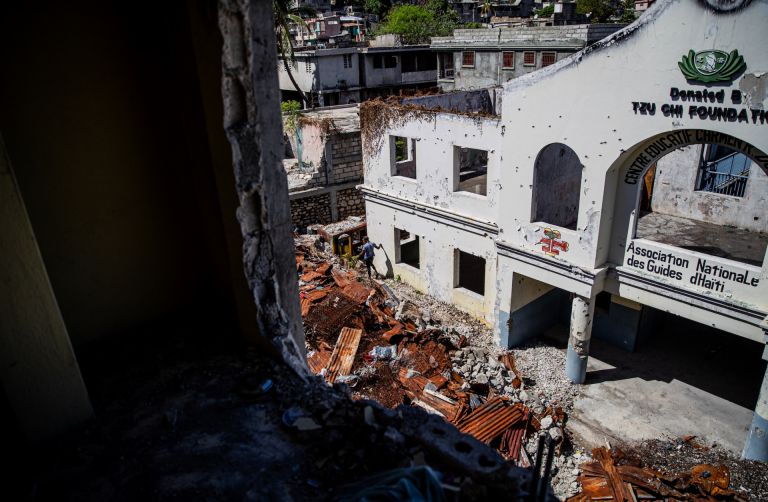
A brutal attack by one of Haiti’s most violent criminal organizations has underscored the country’s deepening security crisis and intensified fears that the state's already limited authority could collapse. On March 29, the Gran Grif group carried out a massacre in Petite-Rivière de l'Artibonite, roughly 60 miles north of Port-au-Prince. The assault left more than 70 people dead, saw homes looted and forced thousands of residents to flee their communities, making it one of the worst mass killings in Haiti so far in 2026.
The Petite-Rivière de l'Artibonite massacre is emblematic of a broader trend of extreme gang violence that has persisted despite efforts by Haitian authorities and external partners. Local security forces and supporting foreign forces have sought to curb the power of gangs, but the March attack demonstrates the limitations of those efforts and the capacity of organized armed groups to conduct large-scale, lethal operations against civilians.
The surge in violence comes amid a protracted political crisis. The Transitional Presidential Council’s term ended on Feb. 7, a turning point that transferred control of the government to Prime Minister Alix Didier. That change has not resolved Haiti’s political instability; rather, it has occurred against a backdrop of weakened state institutions, contested legitimacy and a fraught timeline for returning the country to a stable, civilian-led political order.
Elections planned for August are unlikely to provide immediate relief. The security environment is expected to remain highly volatile in the run-up to the vote, complicating preparations and raising questions about whether meaningful, inclusive elections can proceed. Observers and officials worry that deteriorating security could further delegitimize political processes, hinder voter participation and make it more difficult to secure polling locations.
Beyond the immediate humanitarian toll of killings, looting and displacement, the unfolding crisis carries broader regional implications. Continued state erosion in Haiti would likely exacerbate migration flows as displaced Haitians seek safety and stability abroad. It would also deepen criminal challenges in the Caribbean and the wider hemisphere, as criminal networks expand operations, trafficking and cross-border coordination in the absence of effective state oversight.
For residents of affected areas such as Petite-Rivière de l'Artibonite, the consequences are immediate and severe: lives lost, homes destroyed and communities uprooted. For Haitian authorities and international partners, the massacre is a stark reminder of the scale of resources and coordination required to restore basic security and rebuild effective governance. The combination of intense gang activity and a fragile political transition increases the risk that what remains of Haiti’s state structures could degrade further, with long-term consequences for stability and development.
The events of late March and the surrounding political dynamics leave Haiti at a precarious juncture. With major elections scheduled for August and no clear sign that the security situation will improve beforehand, the country faces a real possibility of deeper institutional breakdown. How Haitian leaders, civil society and external actors respond in the coming weeks and months will be critical in determining whether the state can withstand further erosion or slides toward broader collapse.