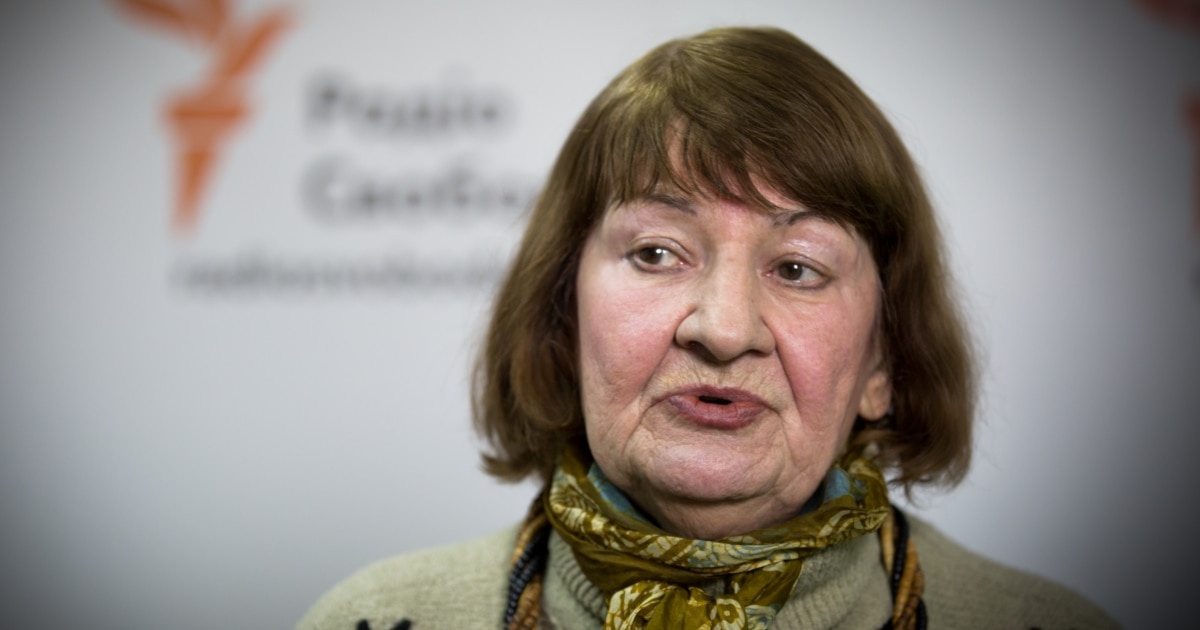
‘Loved Crimea to the point of self‑forgetfulness’: Natalya Belitser, defender of Crimean Tatar rights, dies at 87
Natalya Belitser, an 87‑year‑old biologist and long‑time human rights expert, has died in Kyiv. Belitser was a central figure in the legal and civic campaign to recognize Crimean Tatars as an indigenous people of Ukraine and authored a key study on their status and the challenges of reintegration after de‑occupation.
By Vanessa Bergmann
977 views
Natalya Belitser, an 87‑year‑old biologist, academic and longtime human rights advocate for the Crimean Tatar people, has died in Kyiv. Colleagues and Crimean Tatar leaders paid tribute to her decades of work defending minority rights, developing legal frameworks for indigenous status in Ukraine and documenting the historical and contemporary plight of Crimean Tatars under occupation. On 20 June she was buried at Baikove cemetery in Kyiv; friends draped her coffin with the Crimean Tatar flag as a symbolic farewell.
A scientist by training, Belitser held a doctoral degree in biology and spent much of her life engaged in research and teaching. However, her public legacy is most strongly associated with human rights activism and legal advocacy. For many years she served as an expert at the Pylyp Orlyk Institute of Democracy, focusing on democracy, human rights, interethnic relations, multicultural societies and conflict resolution. Her work included both grassroots activism—she distributed samizdat in the Soviet era—and institutional efforts to enshrine protections for indigenous peoples in Ukrainian law after the collapse of the USSR.
Belitser was deeply involved in the movement to secure formal recognition and legal guarantees for three groups she and others argued are indigenous to Ukraine’s Crimean peninsula: the Crimean Tatars, the Karaims and the Krymchaks. She participated in drafting and shaping bills including proposals «О коренных народах Украины», «О статусе крымскотатарского народа в Украине» and amendments to Section X of the Constitution of Ukraine concerning the Autonomous Republic of Crimea. Those legislative initiatives eventually contributed to the Ukrainian parliament’s formal recognition of Crimean Tatars as a native people after the 2014 occupation.
Colleagues in Crimean Tatar institutions and broader Ukrainian civil society emphasized Belitser’s persistent presence in assemblies and forums. She was a frequent guest at sessions of the Kurultai and meetings of the Mejlis of the Crimean Tatar people and took part in numerous national and international discussions about Crimea’s future. The Mejlis credited her as “one of the main architects of the legal foundation for the protection of indigenous peoples of Ukraine,” noting that her academic work and public interventions helped deepen public and international understanding of Crimean Tatar history, culture and rights.
Belitser also argued publicly for a legal form of Crimean Tatar national autonomy within Ukraine, a proposal she saw as a means to secure minority rights and provide a mechanism for peaceful self‑determination that could reduce the risk of external interference. She wrote and spoke about how such institutional guarantees would “level the chances of a people threatened with disappearance” and enable the Crimean Tatar community to develop and cooperate with other groups without threatening the rights of others. In her view, stronger legal recognition and political mechanisms might have acted as a safeguard against the 2014 occupation.
Her scholarly output included the 2017 book «Крымские татары как коренной народ: История вопроса и современные реалии», which examined definitions of indigenous peoples, differentiated indigenous rights from those of national minorities, and surveyed international practice. An expanded edition followed in 2018. Belitser described the book as intended to assist future processes of de‑occupation and reintegration of Crimea into Ukrainian legal and social frameworks, serving as a resource for civil society and state actors engaged in dialogue about these issues.
Reactions to Belitser’s death emphasized both her personal devotion to Crimea and the symbolic weight of her burial. Refat Chubarov, head of the Mejlis of the Crimean Tatar people, said: «Наталья Белицер до самозабвения любила Крым. Каждый год она старалась приезжать хотя бы на две-три недели на Карадагскую научную станцию…» He and other leaders described her as a true friend of the Crimean Tatar people. Mustafa Dzhemilev, the national leader of Crimean Tatars, praised her work as quiet but powerful, saying her book became an important instrument for understanding why recognition of indigenous rights is central to international law, democracy and Ukraine’s future.
Belitser’s death came before the de‑occupation of Crimea she spent decades preparing for. For many in the Crimean Tatar community and among human rights defenders, her scholarly and legislative legacy will remain relevant to ongoing debates on how to secure minority protections, pursue reintegration and ensure accountability for rights violations in occupied Crimea. Her burial under the Crimean Tatar flag, organizers said, was a final symbolic gesture—both a farewell from her friends and a statement about the cause to which she dedicated much of her life.