Lithuanian Foreign Ministry Proposes New Restrictions on Russian and Belarusian Nationals, Targeting Cultural Figures and Property Purchases
Lithuania's Foreign Ministry has proposed a package of amendments to the country's sanctions law that would bar certain Russian and Belarusian individuals and organizations from public roles in education, culture, sports and the arts, require a public declaration condemning Russia's aggression against Ukraine, and deny the purchase of property near strategic sites to some foreign nationals. The measures, which the ministry frames as protecting Lithuania's public space from regimes that misuse culture as a tool of influence, would take effect on 1 January under the current proposal.
By Christopher Manley
828 views
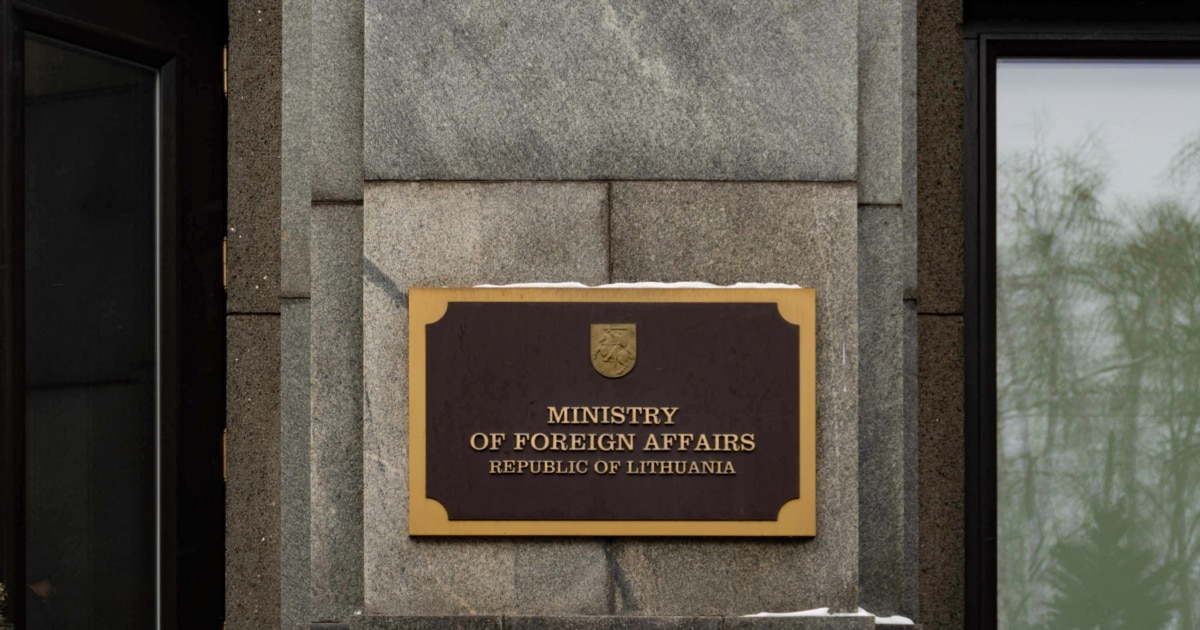
Lithuania's Ministry of Foreign Affairs has proposed a set of new restrictions aimed at Russian and Belarusian citizens and entities that would widen existing national sanctions and impose new controls on cultural, educational and property-related activities. Reported by BNS, the draft amendments would bar entry and public activity in Lithuania to people and organizations deemed to have supported or participated in Russia's war against Ukraine, to those who have operated in occupied Ukrainian territories, and to actors whose actions undermine Ukraine's territorial integrity or support gross human rights abuses.
The ministry justified the proposal by pointing to the continued war in Ukraine and Belarus’s support for Moscow, while stressing Lithuania’s obligation as a democratic state to shield its public space. «Нядаўнія дыскусіі, у тым ліку на муніцыпальным узроўні, паказалі неабходнасьць больш дакладнага рэгуляваньня ўдзелу прадстаўнікоў Расеі, якая ажыцьцяўляе агрэсію супраць Украіны, і Беларусі, якая дапамагае ёй, у публічнай дзейнасьці ў Літве ў сфэрах адукацыі, навукі і вучобы, культуры, спорту, мастацтва і забаў», — адзначыла міністэрства.
Under the proposed amendments to the Law on Restrictive Measures in Connection with the Military Aggression Against Ukraine, both natural and legal persons from Russia and Belarus would be barred from undertaking public activities in Lithuania’s education, science, culture, sports, arts and entertainment sectors if authorities determine they have worked in occupied Ukrainian territories or they directly or indirectly support the war or participated in it. The ban is also intended to apply to those who undertake policies or actions that undermine Ukraine’s sovereignty, stability or security, or who support serious human rights violations or repression of civil society and democratic forces in Russia or Belarus.
A notable element of the draft is a requirement that foreign individuals who wish to arrive in Lithuania to engage in public cultural, educational or sporting activities sign a declaration condemning Russian aggression against Ukraine, expressing support for the UN Charter and affirming Ukraine’s independence, sovereignty and territorial integrity within internationally recognized borders. The ministry proposes that these declarations be published publicly, and that refusal to sign would be grounds for denying entry. Organizers of public activities in the listed sectors would be responsible for monitoring compliance with the new rules.
The proposals also seek to tighten controls over real estate acquisitions. The draft would suspend the right of Russian and Belarusian citizens who hold Lithuanian residence permits to buy property located near sites deemed strategically important for national security or near military training grounds. Belarusian nationals without Lithuanian residence permits, and legal entities they control, would also be barred from buying property in those areas. Lithuania had already imposed restrictions on property purchases by Russians without residency; the new measures would extend and specify those limits.
The Foreign Ministry recommends that the amendments enter into force from 1 January next year. The legislative push follows a decision by Lithuania’s Seimas earlier in the year: an April law on sanctions against Russia and Belarus instructed the government to prepare and submit by 1 October draft amendments concerning restrictions on property acquisition by Belarusian citizens, linking property purchase rights for Russian and Belarusian citizens to permanent resident status, and applying an additional national security assessment mechanism to real estate transactions. The national sanctions regime has been in force in Lithuania since 2023, and on 23 April the Seimas extended those sanctions until 2028.
Lithuania’s current sanctions framework already includes measures that have stopped accepting visa applications from Russian and Belarusian citizens in most cases and curtails issuance of residence permits to Russians who do not hold a valid visa or residency in another EU country. Russians entering Lithuania generally face individual security checks to assess potential threats to national security, public order, internal security, public health, or international relations; risks associated with Belarusian arrivals are also evaluated. The law further tightened residency conditions, providing that Russian citizens may lose their temporary residence permit if they have traveled to Russia or Belarus more than once in the previous three calendar months, with exemptions for carriers and objectively unavoidable reasons.
The draft also contemplates wider economic levers: the Lithuanian government would retain the power to freeze funds and other economic resources and to apply sectoral measures if EU-level sanctions cease to be applied or are lifted. The Foreign Ministry frames the measures as a defensive response designed to protect Lithuania’s democratic public sphere, including its cultural and educational spaces, from external influence by regimes accused of systematic human rights violations and military aggression. The proposal now moves to the legislative process in Lithuania, where it will be subject to debate and potential revision before any final enactment.