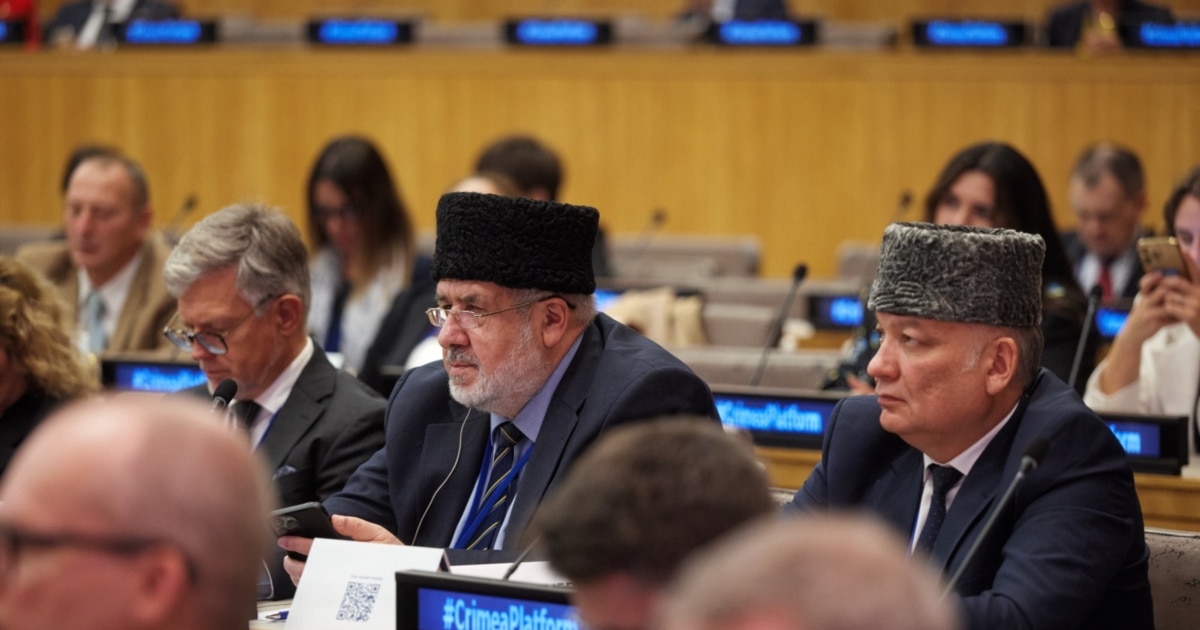
Leader of Crimean Tatar Mejlis Condemns Kazakh Proposal to Invite Russia into Organization of Turkic States
Refat Chubarov, head of the Mejlis of the Crimean Tatar people, has sharply criticized Kazakhstan President Kassym-Jomart Tokayev’s proposal to invite Russia to participate in the Organization of Turkic States, saying it aligns with Kremlin objectives and threatens to increase Moscow’s influence in Central Asia. Chubarov urged OTS member states not to back the initiative, warning it undermines efforts to reduce dependence on Russia and places Turkey in a difficult diplomatic position amid Russia’s war in Ukraine and the ongoing occupation of Crimea.
By Christopher Manley
945 views
Refat Chubarov, the head of the Mejlis of the Crimean Tatar people, has publicly criticized a proposal by Kazakhstan’s president to invite Russia into the Organization of Turkic States (OTS), calling the move aligned with Kremlin interests and warning it would strengthen Moscow’s influence across the region.
In a statement published on Facebook, Chubarov said the proposal by President Kassym-Jomart Tokayev — to invite Russia to take part in an OTS+ format or to grant Moscow observer status — has been received positively in Moscow. Chubarov argued that this convergence of views between the Kazakh president and the Kremlin could indicate coordinated intent and serve Moscow’s strategic objectives.
"I am convinced that Tokayev voiced exactly what Moscow seeks," Chubarov said, according to his post. He framed the initiative as part of a possible Kremlin operation to expand Russian influence within an organization that several Central Asian states are using in part to reduce their dependence on Moscow.
Chubarov warned that allowing Russia into the OTS would undercut those efforts. He said Central Asian countries are developing cooperation within the Organization of Turkic States as one mechanism for diversifying political and economic ties away from Russia, and that Russia’s formal participation could reverse or weaken progress toward that goal.
The Mejlis leader also highlighted the diplomatic strain the proposal could impose on Turkey. Chubarov suggested Ankara would face a difficult choice between endorsing a move he believes contradicts the organization’s aims and risking a deterioration of ties with Moscow if it opposed the initiative. He urged OTS member states not to support Tokayev’s suggestion.
Chubarov’s criticism referenced the broader context of Russia’s ongoing war in Ukraine and the occupation of Crimea, the historic homeland of the Crimean Tatar people. His statement framed the proposal as especially objectionable against the backdrop of Moscow’s actions in Ukraine and the resulting human rights concerns for Crimean Tatars under Russian control.
Kazakhstan’s president proposed the idea on October 30, suggesting Russia could be invited to join in an expanded OTS+ format or be given observer status, arguing that Moscow has historical ties to the Turkic world and that its participation could be beneficial to member states. On November 2, Kremlin spokesman Dmitry Peskov described Russia’s potential participation as "understandable and reasonable," while noting that Moscow had not yet received an official invitation.
The Organization of Turkic States currently comprises Kazakhstan, Kyrgyzstan, Uzbekistan, Azerbaijan and Turkey. Observers include Turkmenistan, Hungary and the self-declared Turkish Republic of Northern Cyprus. Chubarov’s intervention underscores the sensitivities surrounding any move that would formally deepen Russian links with a bloc of states that have been, in recent years, seeking to broaden their geopolitical options.
Chubarov, as leader of the Mejlis — the representative body of the Crimean Tatar community — speaks for a population whose fate has been directly affected by Russia’s annexation and occupation of Crimea in 2014 and subsequent policies. His public appeal reflects the concerns of many Crimean Tatar activists and diaspora communities who view closer ties between Russia and regional institutions as likely to exacerbate the community’s vulnerability and complicate international efforts to hold Moscow accountable for human rights abuses in occupied Crimea.
The debate over Russia’s potential role in the OTS highlights broader questions about the balance of power in Eurasia, the choices facing Turkic-speaking states as they navigate relations with Moscow and Ankara, and the implications for minority communities whose rights have been violated in the context of territorial disputes and conflict. Chubarov’s call for OTS members to reject Tokayev’s proposal adds a vocal human rights and minority-protection perspective to what has otherwise been framed as a geopolitical and diplomatic discussion.