Large-scale drone strikes on Moscow prompt Kyrgyz migrants to warn compatriots and consider returning home
Kyrgyz migrants working in Moscow posted videos of burning facilities and explosions after a broad Ukrainian drone strike on the Russian capital and nearby areas on September 20, urging others not to come and some saying they plan to leave. Moscow officials said roughly 1,600 drones were intercepted and confirmed damage to a Kapotnya oil refinery; authorities reported at least three deaths in the city and region.
By Vanessa Bergmann
1,038 views
A widespread drone assault on Moscow and parts of the Moscow region on the morning of September 20 has unsettled many migrant workers from Kyrgyzstan living in the Russian capital, prompting some to warn compatriots against traveling to Moscow and to contemplate returning home.
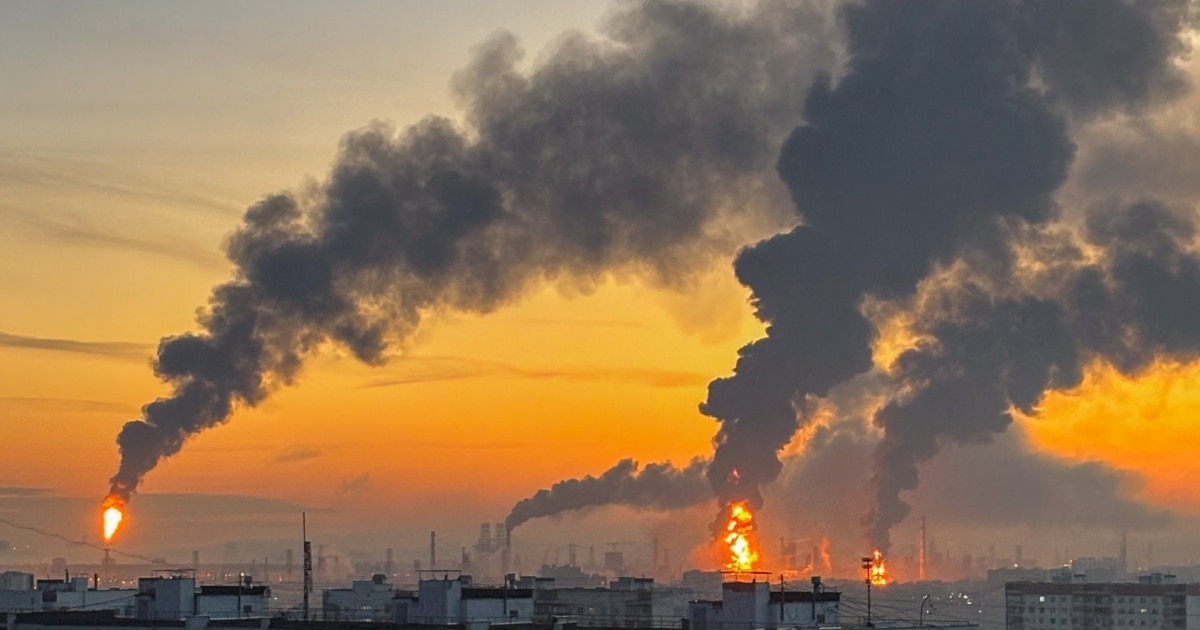
Videos and photos circulated on social media showing thick black smoke rising from what users identified as an oil processing facility in the Kapotnya district. Local Kyrgyz users shared footage and first-person accounts from inside the city during the strikes. One Instagram user, identified as Zamira, wrote that explosions began at around 4 a.m. and that she and her daughters had sheltered in a basement, after which she felt the urge to return to Kyrgyzstan.
Another Kyrgyz migrant, named Akyn in social posts, appealed directly to fellow countrymen, saying the strikes had made the Russian capital unsafe and advising people to avoid coming to Moscow. These personal testimonies reflect immediate fear and uncertainty among the hundreds of thousands of Kyrgyz citizens who work in Russia despite a restrictive migration regime and other obstacles faced by migrants since the onset of the Russia-Ukraine war.
Moscow Mayor Sergey Sobyanin described the incident as "the largest drone attack since the start of the war," saying that roughly 1,600 unmanned aerial vehicles were intercepted over the city and surrounding areas. Sobyanin confirmed that drones struck an oil processing plant in Kapotnya and caused damage to residential buildings. Local emergency services and authorities responded to fires and structural damage in multiple locations.
Independent reporting outlets and the ASTRA media group said a drone crashed and exploded near a residential building on Borisovskie Prudy street (building 16k2) in the city’s southeast. Authorities reported that a total of three people were killed across Moscow and the region on Sunday in the attacks. Moscow officials provided the figures for intercepted drones and damage assessments, while social media uploads documented scenes of smoke, flames and emergency response activity.
For Kyrgyz migrants — many of whom are employed in construction, services, and other labor sectors in Moscow — the strikes amplified longstanding anxieties about safety and legal vulnerability. The article’s accounts note that, since Russia launched large-scale military operations in Ukraine, migrants from Central Asia have frequently encountered increased obstacles, even as migration flows have not stopped. For those reliant on earnings from Russian employment, sudden escalations of violence raise difficult decisions about whether to stay for work or return to less secure economic conditions at home.
The events underscore the human consequences of cross-border military escalation for civilian populations far from front lines. Beyond immediate casualties and property damage, the strikes have produced a ripple effect in migrant communities, driving social media pleas, calls for family reunification, and heightened concern over the safety of daily life in Moscow. As authorities continue damage assessments and recovery operations, the experiences of migrants in the city offer a window into how urban populations and vulnerable foreign workers confront the risks created by the wider conflict.