Lahore High Court Suspends Pakistan Medical Council Ban on Afghan Medical Students
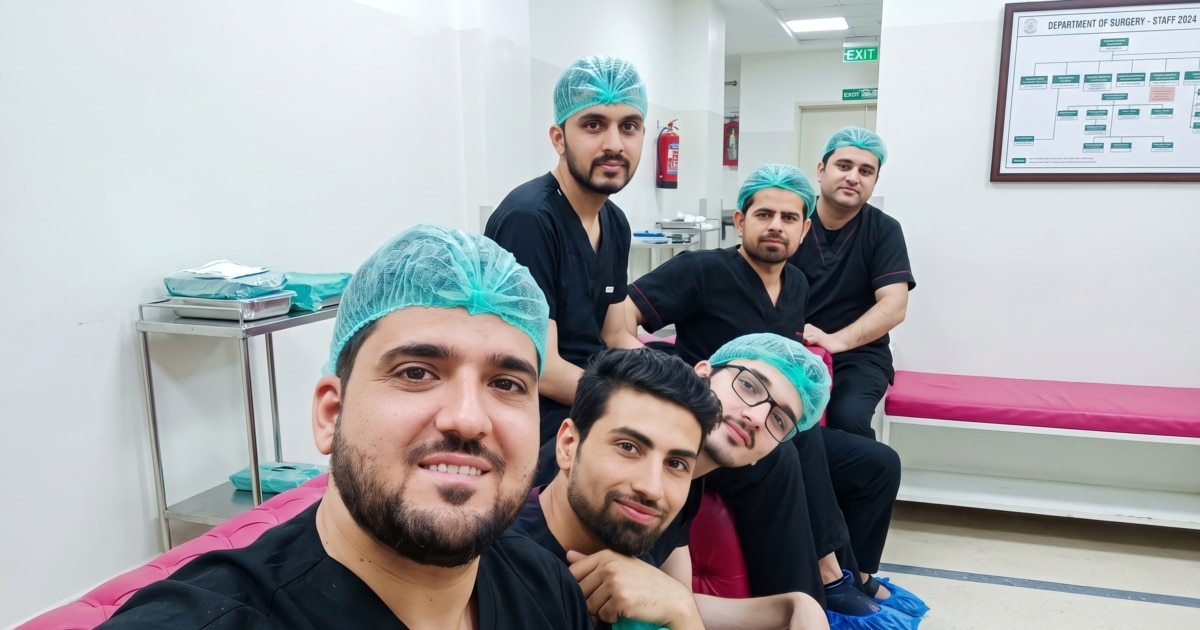
The Lahore High Court has temporarily halted an order by Pakistan’s medical regulator that instructed Afghan students to return to Afghanistan and barred them from medical and dental training. The suspension follows petitions from the students and comes amid protests from human rights groups and conflicting official statements about whether documented Afghan students may continue their studies.
By Christopher Manley
1,033 views
The Lahore High Court has suspended an order issued by Pakistan’s medical regulator that sought to bar Afghan students from continuing their studies in medical and dental programmes in Pakistan. The court’s interim decision, issued by Judge Khalid Ishaq after reviewing petitions filed by a number of Afghan students, prevents enforcement of the regulator’s directive while the legal challenge proceeds.
Pakistan’s medical regulator, the Pakistan Medical and Dental Council, had earlier issued a directive ordering Afghan students to discontinue their studies at public and private medical institutions, citing a national policy to remove foreigners from what it described as “sensitive professions.” The council also directed universities to cancel registrations of Afghan students for the new academic year and mandated that the process of removing enrolled Afghan students be completed within three days. The council said roughly 800 Afghan students are enrolled in medical and dental programmes across the country.
The regulator’s decision prompted swift criticism from human rights organisations and Pakistani oversight bodies. Amnesty International and the Human Rights Commission of Pakistan publicly expressed concern, warning that the measure could constitute collective punishment and risk violating Pakistan’s obligations under international human rights and refugee law. The Human Rights Commission noted that in the city of Lahore alone about 100 Afghan medical and dental students faced immediate impact, including between 20 and 40 female students.
Officials in Islamabad had given mixed signals in the days following the council’s directive. Pakistan’s Foreign Ministry issued a statement indicating that Afghan students with lawful documentation would be permitted to continue their studies. Yet several Afghan students told Radio Azadi (Radio Free Europe/Radio Liberty’s Afghan service) that expulsions and registration cancellations were continuing despite assurances. Some affected students said they intended to seek legal redress and would pursue their cases in court.
The dispute has generated regional and international attention. Arafat Jamal, identified in reporting as the United Nations High Commissioner’s representative for refugees, announced plans for a trilateral meeting involving the UN, Iran and Taliban authorities in Kabul to address the challenges faced by Afghan refugees and returnees. In related diplomatic activity, Jamal reportedly discussed the proposed meeting with Mawlawi Abdul Kabir, the Taliban-appointed minister for refugees and repatriation, according to Afghan ministry statements.
Prominent voices have also weighed in. Former Afghan President Hamid Karzai called Pakistan’s decision “regrettable” and urged that educational and scientific cooperation be kept separate from political disputes. Gilles Bertrand, the European Union’s special representative for Afghanistan, announced the end of his mission and reiterated that inclusive dialogue among all segments of Afghan society remains the region’s only viable path forward. Jan Egeland of the Norwegian Refugee Council highlighted the broader humanitarian pressures on returning families and pressed for the reinstatement of education access for girls and women in Afghanistan.
Humanitarian agencies warn the expulsions come against a backdrop of worsening needs across Afghanistan. The Norwegian Refugee Council and the UN have documented millions of returnees from Iran and Pakistan in recent years who face acute shelter and livelihood gaps. UN reports cited in coverage say that by the end of August only around 30 percent of the funds required for essential humanitarian assistance in Afghanistan had been secured. Other international bodies have pointed to related crises: the International Rescue Committee in the UK warned of severe water shortages in Kabul by 2030, and the International Committee of the Red Cross reported in 2025 that approximately 33 million people in Afghanistan lack reliable access to sufficient water.
Pakistan’s medical regulator has defended its measure as part of national policy; critics argue it amounts to collective punishment of students based on nationality and risks breaching non-refoulement and the right to education. With the Lahore High Court’s suspension now in place, the fate of hundreds of Afghan medical and dental students remains uncertain as the courts consider the petitions. Human rights groups, student advocates and international agencies are watching closely, urging authorities to ensure individual legal status is respected and to avoid measures that would push vulnerable students into precarious situations or forced returns to insecurity.