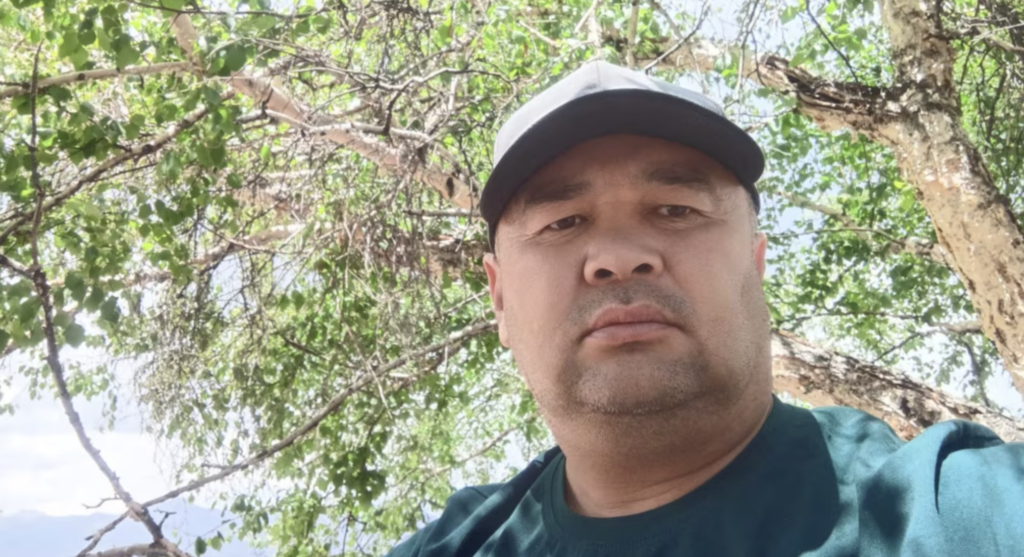
On August 17, 2026, the Supreme Court of Kyrgyzstan fully acquitted activist Mirlanbek Maratbek uulu of allegations that he distributed extremist materials. Maratbek uulu, who was detained in a police search of his home on August 15, 2024, said the ruling was a personal vindication but does not resolve what he described as a wider pattern of unlawful detentions and fabricated cases.
By Alexander Walter
845 views
The Supreme Court of Kyrgyzstan on August 17, 2026 fully acquitted activist Mirlanbek Maratbek uulu of charges that he had allegedly distributed extremist materials, a case that had drawn attention from rights groups and critics of the government’s use of extremism laws. The case originated from a search of Maratbek uulu’s home on August 15, 2024 and was based on an expert conclusion issued by the forensic-expert service attached to the Ministry of Justice, according to court records cited during the proceedings.
Authorities detained Maratbek uulu during the 2024 search. Police statements at the time asserted that the search was conducted on the basis of a court order and insisted it did not relate to the activist’s public criticism of the authorities. Maratbek uulu maintained his innocence throughout, saying he had not violated the law and that no banned materials were found in his home during the search.
Following the Supreme Court’s decision, Maratbek uulu welcomed the acquittal but urged that it should not be seen as the end of broader injustices. «Это не означает, что в стране восторжествовала справедливость, тех, кто незаконно задержан и заключен в тюрьму, необходимо освободить, а тех, кто возбудил против них дела, необходимо наказать», — говорит Маратбек уулу. He pointed to other Kyrgyz citizens who remain detained or convicted on what he and others describe as dubious grounds and demanded that those responsible for initiating such criminal cases be held to account.
Maratbek uulu is known for his social media activity and previous civic engagement. In January 2024 he filed complaints with the prosecutor’s office demanding that those responsible for replacing the state flag at Ala-Too Square in Bishkek be punished. His public profile and complaints against authorities were cited by observers as a possible context for the investigation and subsequent charges.
Human rights defenders have echoed Maratbek uulu’s calls for accountability. In March 2026, rights activist Гульшайыр Абдирасулова publicly questioned why individuals she said had fabricated criminal cases, including forensic experts who issued incriminating conclusions, had not themselves been investigated or prosecuted. « Почему тех, кто cфабриковывал дела, включая «экспертов, вынесших обвинительные приговоры» никто не расследует и не привлекает к ответственности? » — she asked, highlighting what she described as a pattern of impunity.
Abdirasulova and others have also drawn attention to specific cases of people convicted for social media posts or public positions. She singled out Каныкей Аранова, described in her remarks as a single mother of a minor child who remains imprisoned; Адилет Балтабай, who she said was jailed for speaking out against casinos; and Аскат Жетиген, whose continued detention she said remained unexplained. These examples were used to underline concerns that extremism and other criminal statutes may be employed to silence dissent and civic activism.
The Supreme Court’s acquittal of Maratbek uulu removes one element of a wider debate about the treatment of activists and the integrity of expert evidence used in political cases in Kyrgyzstan. Rights groups say transparent investigations into how cases were opened, the role of law enforcement and forensic experts, and redress for those wrongfully detained are necessary to restore public confidence in the justice system. Maratbek uulu’s own call for the release of others and for punitive measures against officials who initiated cases keeps alive questions about accountability that have been raised by defenders and activists in recent months.