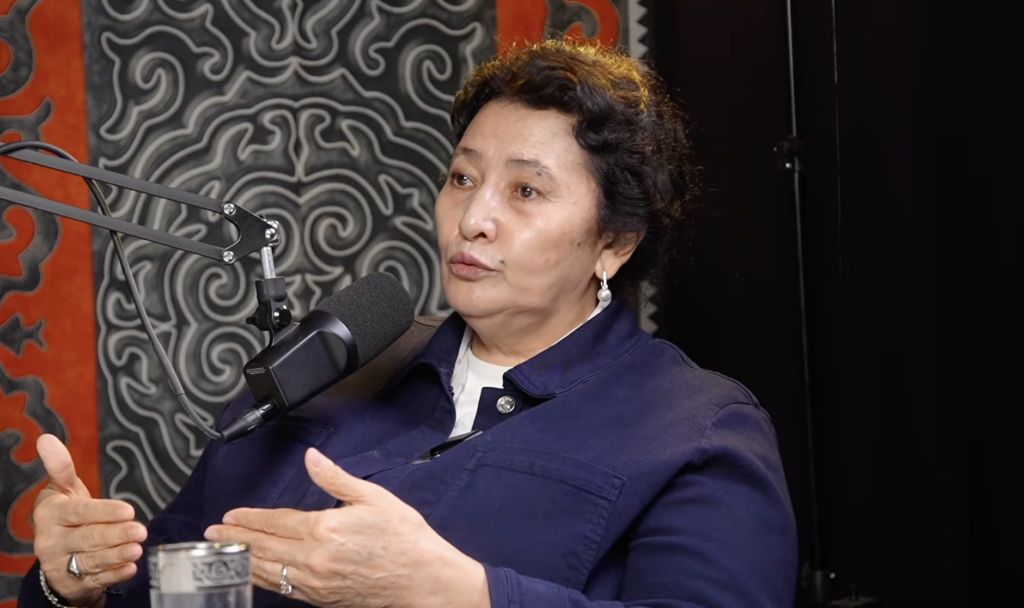
Kyrgyz Parliament Debate Sparks Outcry as MPs’ Remarks Expose Systemic Sexual Violence Against Minors
Comments by MP Aisara Abdibaeva suggesting leniency for men who claim they did not know a partner was underage have ignited protests, a social media surge of survivor accounts, and sharp criticism from rights defenders. The debate has reopened long-standing questions about victim-blaming, legal protections for children and recent changes to Kyrgyz criminal law.
By Alexander Walter
964 views
A contentious debate in Kyrgyzstan’s parliament over penalties for sexual offences against minors has exposed a wider, deeply rooted problem of sexual violence and victim-blaming, prompting public protests and a social media wave of survivor testimony. The controversy began late September when MP Aisara Abdibaeva questioned whether punishments for sexual crimes were “too harsh” and asked whether courts could soften sentences for men who claimed they did not know their partner was underage.
Speaking at a parliamentary session on September 29, Abdibaeva said some adolescents present themselves as adults and only later are found in documents to be minors: “Teenagers come and say: ‘I am 18–19,’ but then their passport shows they are minors. How can we determine this? If young men knew the girl was a minor, they would not go down that path. If they committed such a crime without knowing she was underage, the court would have a chance to acquit them.” She also linked the issue to amendments introduced in 2024 that removed the possibility of terminating criminal cases because of reconciliation between parties, arguing that the changes had led to a surge in harsh sentences and jeopardized the future of accused young men.
Abdibaeva later told the parliamentary press service that she had received complaints from parents of men aged 19 to 25 who, she said, were allegedly wrongly convicted of sexual offences against minors. That press release was later removed from the parliament’s website. Under mounting public criticism and an online petition calling for her removal from office, Abdibaeva adjusted her public stance, stating: “I did not propose to give suspended sentences to pedophiles or those who committed the crime, or to soften punishment. I cannot do that as a woman and a mother. A perpetrator who committed a crime must receive an appropriate punishment.”
Abdibaeva was not alone in voicing concern about the perceived severity of sentences. MP Sovetbek Rustambek Uulu argued that if a man was allegedly “set up” by a girl who lied about her age, the girl should also face criminal responsibility. “How many young men have been sentenced to 15–18 years because of this? If it turns out that boys were intentionally framed, girls should also be held accountable. We need to draft such a bill,” he said.
Those positions sparked fierce pushback from rights defenders and other deputies. Lawmaker Ilimbek Kubanychbekov, quoted by Azattyk, said: “Punishment for rape must remain unchanged. We all have sons and daughters. As a country governed by law, I am categorically against this. A perpetrator must receive the full punishment provided by the court for his actions. Pedophilia is an act against a person’s will and must be prosecuted.” Dastan Bekeshev, another MP, acknowledged receiving appeals from relatives of suspects but rejected that as a reason to advocate lighter penalties. “Especially in cases of crimes against sexual integrity. Every man must control his sexual impulses. ‘I did not know her age, I did not see her passport — why should I ask?’ is an excuse,” he said on October 7.
Human rights defenders have warned that suggestions to shift responsibility onto children amount to victim-blaming and undermine protections for minors. Nazgul Turdubekova, who regularly represents child victims of sexual violence, said attempts to justify milder penalties by claiming that a child hid their age or looked older effectively transfer responsibility from the adult perpetrator to the child. “A child cannot bear responsibility for a crime committed against them by an adult,” Turdubekova said, adding that survivors should not be placed on a “moral trial” to justify their appearance or behavior.
The parliamentary controversy has unfolded alongside a large social media flashmob in which dozens of Kyrgyz women and men have shared anonymous accounts of sexual violence experienced in childhood or adolescence. Deputies have cited those testimonies in parliament: MP Elvira Surabaldieva warned lawmakers on October 7 of anonymous posts from Kyrgyz users describing abuse at ages as young as four, five and six, and stressed that boys as well as girls are affected. Government statistics reinforce the extent of the problem: in 2021 the Ministry of Internal Affairs reported that 80% of child victims of sexual abuse were harmed by acquaintances or relatives. According to the ministry, by August 2026 authorities had registered 266 criminal cases involving sexual offences against minors; 228 had been sent to court, 30 remained under investigation and one was closed.
Public demonstrations have also taken place in Bishkek despite the city’s frequent restrictions on peaceful assembly. At one rally in support of men convicted under sexual offence articles, participants called the jailed men “our poor children” and blamed the victims, asserting that many cases—claiming as much as 90%—were alleged “set-ups.” Rights groups and many lawmakers argue this rhetoric threatens to erode child protection standards and could reverse gains made after high-profile cases exposed systemic failures in past years. One such case from 2019–2020 in Issyk-Kul involved a 13-year-old girl who was initially blamed and harassed; two accused were first acquitted and later, after appeals and public outcry, three men were convicted and sentenced to lengthy prison terms.
The debate in parliament, the public protests, and the social media outpouring underscore a deeper institutional challenge in Kyrgyzstan: protecting minors from sexual violence while resisting narratives that shift culpability onto victims. As MPs consider proposals — including those to punish minors who misrepresent their age or to allow lighter sentences for defendants claiming ignorance — child protection advocates warn that any legislative changes must be scrutinized for their impact on victims’ rights and access to justice. The issue remains a volatile intersection of law, social norms and political pressure, with significant implications for the safety and legal protection of children across the country.