Kyrgyz Authorities Allocate Additional Homes to Batken Residents Who Lost Both Houses in 2021–22 Border Clashes
Batken regional authorities have issued extra housing to residents who lost two homes within the same compound during the 2021–2022 Kyrgyz–Tajik border conflicts. The regional working group allocated houses that became part of Kyrgyz territory during the delimitation process, responding to residents’ appeals; distributions were made by lot.
By Clémence Desjardins
813 views
Officials in Kyrgyzstan’s Batken region say they have provided additional housing to people who lost both of the dwellings in their compound during the 2021–2022 clashes along the Kyrgyz–Tajik border. The presidential office’s Batken regional representative reported on November 11 that a joint working group at regional and district levels allocated houses that, following the recent border delimitation, moved from Tajik to Kyrgyz jurisdiction.
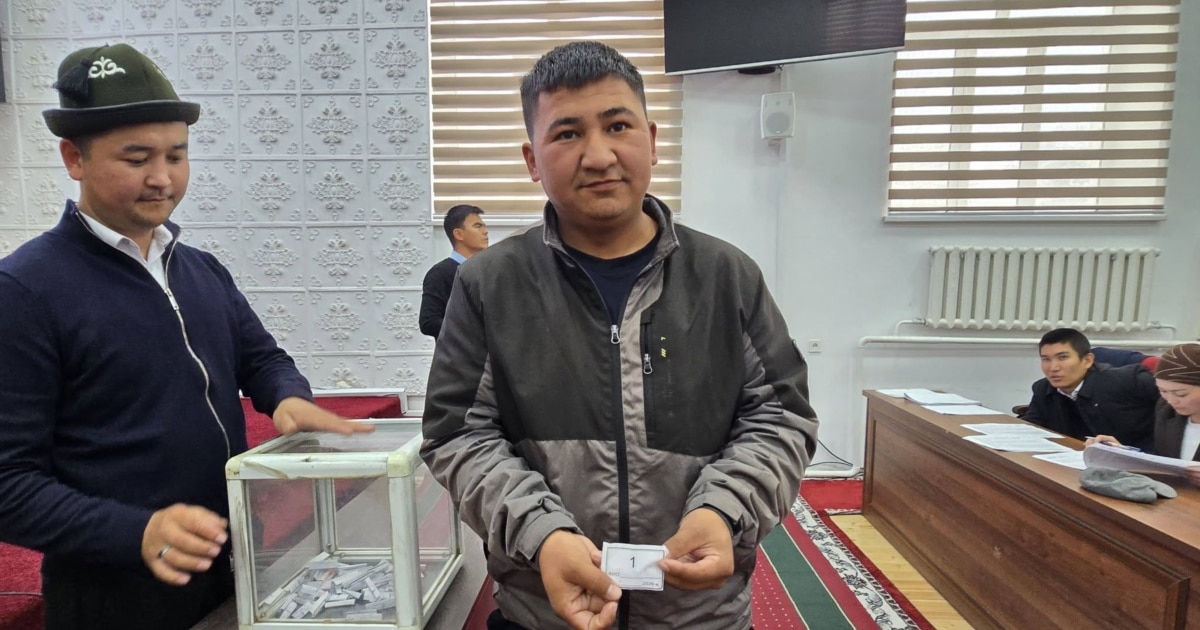
According to the regional office, the houses that were reclassified as Kyrgyz property — because of the border clarification process — were distributed to local residents who earlier said they had two homes in a single yard and had become effectively homeless after the fighting. The distribution of those dwellings was carried out by lot, the statement said.
The working group reported that a total of 213 dwellings that came under Kyrgyz jurisdiction during the delimitation were distributed among 180 citizens. That allocation was part of a broader response after the 2021–2022 clashes left many homes damaged: authorities say 420 private houses were damaged during the hostilities and that the government has constructed new houses for all those affected.
Regional figures released by officials indicate that, in the Batken region overall, 253 residential plots were exchanged as part of border adjustments with Tajikistan — 179 of those located in Batken district and 74 in Leilek district. The second dwellings that several residents had reported losing were reallocated in response to those appeals, the presidential representative’s office said.
The property transfers and housing allocations follow a March 13, 2025 agreement signed in Bishkek by the leaders of Kyrgyzstan and Tajikistan on the state border between the two countries. Kyrgyzstan’s State Border Service said in October that engineering works and the installation of wiring in the border zone had been completed.
The two countries’ state border runs 1,008.14 kilometers, officials note, and areas with neutral status account for 14.07 kilometers of that perimeter. The clarifications and swaps of territory that followed bilateral negotiations have practical consequences for residents on the ground, including determining which national authorities are responsible for properties and who can lawfully live on them.
Officials framed the recent distributions as part of an effort to address the needs of civilians affected by the clashes and by the territorial adjustments. The allocation by lot was presented as an impartial mechanism to resolve competing claims where multiple households had ties to the same area or where properties had shifted across the newly delimited line.
The matter remains sensitive for local communities that endured damage and displacement during the 2021–2022 incidents. Ensuring durable housing solutions, clarifying legal ownership, and restoring a sense of security are key steps officials have underscored in post-conflict recovery. The government’s construction of replacement houses for the 420 damaged homes and the redistribution of properties that changed sovereignty are central elements of that recovery effort, though local responses to the measures have not been detailed in the regional statement.
As border demarcation measures continue to be implemented, residents in affected areas will contend with the practical implications of the territorial swaps. The State Border Service’s completion of engineering works marks a technical milestone in the demarcation process; how the authorities address outstanding property disputes and the resettlement of displaced people will be important to preventing renewed tensions and ensuring the protection of civilians’ rights in the borderlands.