Kremlin Rejects Ukraine’s Request for 60-Day Ceasefire to Hold Presidential Vote
The Kremlin has refused Ukraine’s proposal for a 60-day halt in fighting to allow presidential elections, saying Moscow would only consider a pause limited to the single day of voting. Ukrainian President Volodymyr Zelensky proposed the temporary ceasefire to enable campaigning and safe voting, but Russian officials dismiss the idea as a ploy to regroup forces.
By Christopher Manley
1,115 views
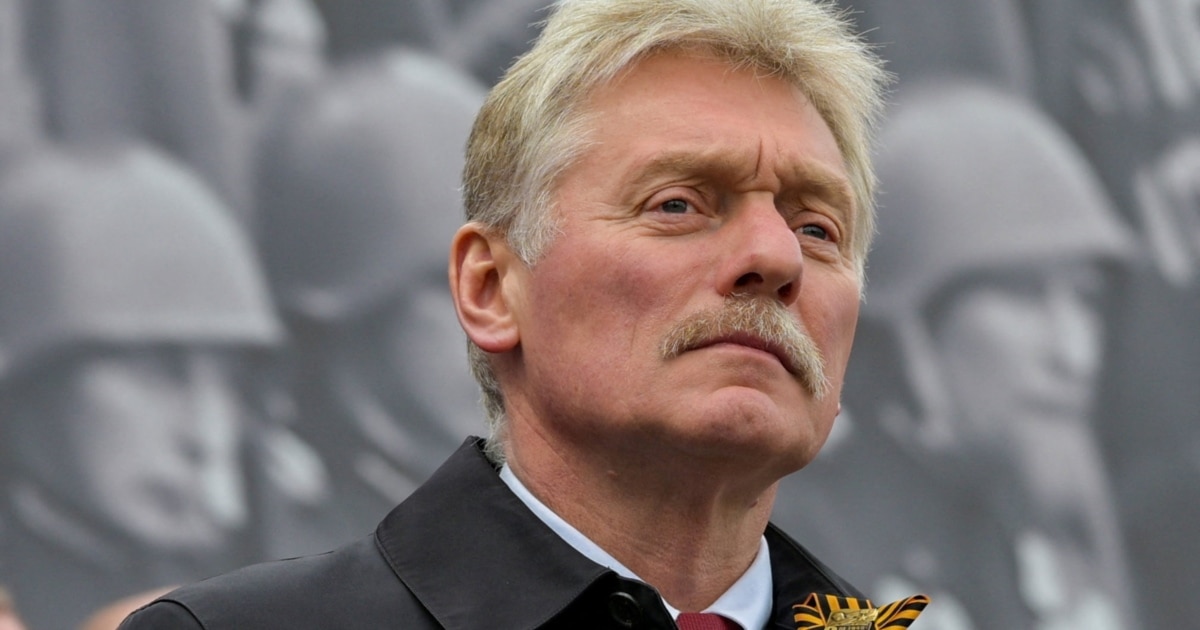
The Kremlin said it will not agree to a 60-day cessation of hostilities that Ukraine has proposed to allow presidential elections to take place, according to a statement by Russian presidential press secretary Dmitry Peskov. Speaking for the office of President Vladimir Putin, Peskov said Moscow might be prepared to refrain from strikes only on the actual day of an election, if voting were formally scheduled, but rejected a full two-month pause.
Peskov framed the Ukrainian request as tactical rather than sincere, saying in his remarks that “they need 60 days not for elections, but to gather strength, heal wounds and continue the war.” That characterization was presented by the Kremlin as a reason to decline Kyiv’s proposal for an extended truce.
Ukrainian President Volodymyr Zelensky publicly set out the request on Sept. 11, saying Ukraine was prepared to hold presidential elections if Russia would completely stop military operations for 60 days. Zelensky told ABC News anchor Jonathan Karl that a two-month pause would provide time for a proper pre-election campaign and for authorities to create conditions for safe voting across the country.
The question of elections has attracted international attention and commentary. On Oct. 10, U.S. President Donald Trump, speaking to reporters at the White House, said he would like to see a different person in the Ukrainian presidency, asserting that Zelensky was not doing enough to end the conflict with Russia and suggesting Zelensky was unwilling to “make a deal” with the Kremlin. Trump’s remarks add another layer of international political pressure to an already fraught debate over how — and whether — elections could be conducted during an active war.
Legal and practical obstacles complicate Ukraine’s proposal. Under Ukrainian law, elections of any level are prohibited while martial law is in force; the powers of leaders and certain institutions remain in place until martial law is formally lifted. Those legal restrictions mean that, even if a pause in hostilities were agreed, Kyiv would still need to change the legal status that currently bars electoral processes.
Meanwhile, Russian state officials and pro-Kremlin media have repeatedly questioned Zelensky’s legitimacy, pointing to the expiration of his first term on May 20, 2024, and the absence of new elections because of the conflict. Moscow’s refusal to accept a prolonged truce for the purpose of elections underscores the contested nature of political authority in wartime and the extent to which military considerations are being used to shape governance and legitimacy claims.
The Kremlin’s position has immediate implications for civilians and for democratic rights in Ukraine. A 60-day cessation of hostilities was presented by Kyiv as a way to enable safe campaigning, voter registration and secure polling in areas that have endured fighting. Moscow’s refusal to grant that window effectively narrows Ukraine’s options for holding nationwide elections and prolongs the exceptional legal conditions that suspend normal electoral processes.
The dispute also highlights broader diplomatic and security dynamics. Moscow’s explanation — that a long pause would be exploited to reconstitute Ukraine’s military capacity — reflects an enduring mistrust and a military calculus that continues to limit pathways to a political settlement. For Ukraine, the pathway to restoring fully functioning democratic processes requires both a ceasefire acceptable to all parties and the lifting of martial law; at present, no such agreement has been reached, leaving the question of legitimate, timely elections unresolved.