Kosovo faces deadline to elect president as protests over Specialised Court law turn violent
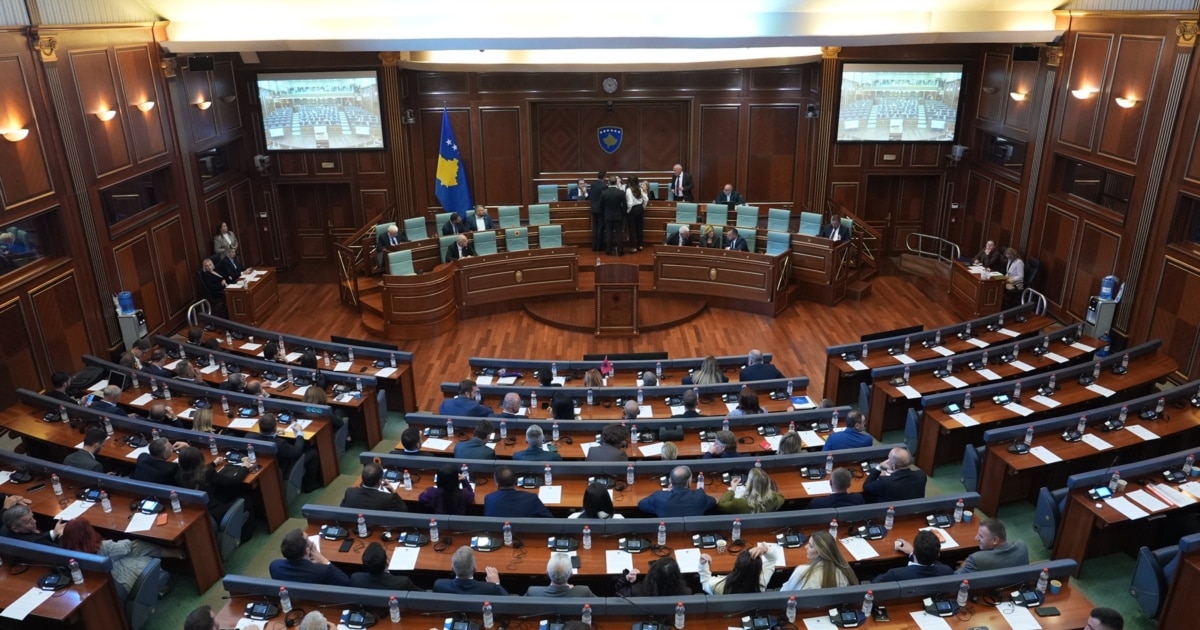
Kosovo’s parliament entered the final day, 6 October, to elect a new president or face dissolution and fresh elections. The same deadline cast uncertainty over a contentious bill to amend the law on the Specialised Chambers, as protests outside the Assembly escalated into clashes with police.
By Clémence Desjardins
858 views
Kosovo entered a decisive day on 6 October as the Assembly raced against a constitutional deadline to elect a new president. The Constitutional Court determined that the 60-day period for selecting a president began on 8 August and expires on 6 October; if no president is chosen by the end of that day the Assembly must be dissolved and new parliamentary elections held within 45 days. That looming timeline also put at risk a separate parliamentary process to amend the law governing the Specialised Chambers, the judicial body handling cases related to the 1998–99 conflict.
The proposed amendments to the law on the Specialised Chambers had cleared their first parliamentary hurdle but remained unapproved in a second reading. The draft changes, initiated by the Democratic Party of Kosovo (PDK), include several significant adjustments: capping maximum prison sentences at 15 years for offences under the Specialised Chambers’ remit, allowing appeals to the Supreme Court of Kosovo, and enabling convicted individuals to serve any custodial sentences within Kosovo. PDK pressed for the legislative procedure to be completed immediately, proposing that the Assembly reconvene after committee consideration of amendments to hold a final vote the same day.
Parliamentary debate and the vote on the draft law were overshadowed by street protests outside the Assembly building. Citizens and members of groups representing war-affected categories gathered on Monday to urge deputies to finish voting on the Specialised Chambers amendments. The demonstration intensified during the day: some protesters attempted to breach protective barriers around the parliament, threw pyrotechnic devices and other objects at state institutions, and blocked entrances and exits to the Assembly.
Kosovo police intervened after the situation deteriorated, and clashes between demonstrators and law enforcement continued into the evening. Protesters reportedly demanded that MPs remain inside the building until the proposed law was approved in a second reading, and that parliamentarians not leave the premises until the process was concluded. Authorities said they responded to the escalation, and the disturbance disrupted the parliamentary session.
Political negotiations on the appointment of a president remained unresolved even as the deadline approached. The Movement for Self-Determination (Vetëvendosje), whose leader Albin Kurti is a central political figure, insisted that both the presidential election and the law amendments be resolved within the constitutional time frame. PDK, led by Bedri Hamza, maintained that the judiciary-related legislation should be finalised before addressing the presidential vote. Meetings between Kurti and Hamza in the run-up to the deadline did not produce a breakthrough, and parties entered the final day without a consensus on a presidential candidate.
The constitutional consequence of failing to elect a president is stark: automatic dissolution of the Assembly would end the mandate of the current legislature and prevent it from completing pending business, including the contested amendments to the Specialised Chambers law. New elections, required within 45 days of dissolution, would reset the parliamentary calendar and potentially delay or derail any changes to the legal framework governing accountability for crimes related to the conflict.
Observers warn that the combination of political deadlock and street violence increases risks to democratic governance and the rule of law in Kosovo. The Specialised Chambers have been a focal point of public debate for years, balancing demands for accountability for wartime crimes with nationalist and political sensitivities. Any alteration to their legal basis — particularly proposals that would limit sentencing or transfer final appeal authority to domestic courts — has significant implications for victims, defendants, and Kosovo’s international commitments on justice and transitional accountability.
As events unfolded on 6 October, Radio Free Europe/Radio Liberty reporters in Pristina urged readers to follow developments closely. The outcome of the day’s parliamentary procedures and the response to the protests would shape Kosovo’s immediate political trajectory and affect the country’s ability to address long-standing questions of justice and governance.