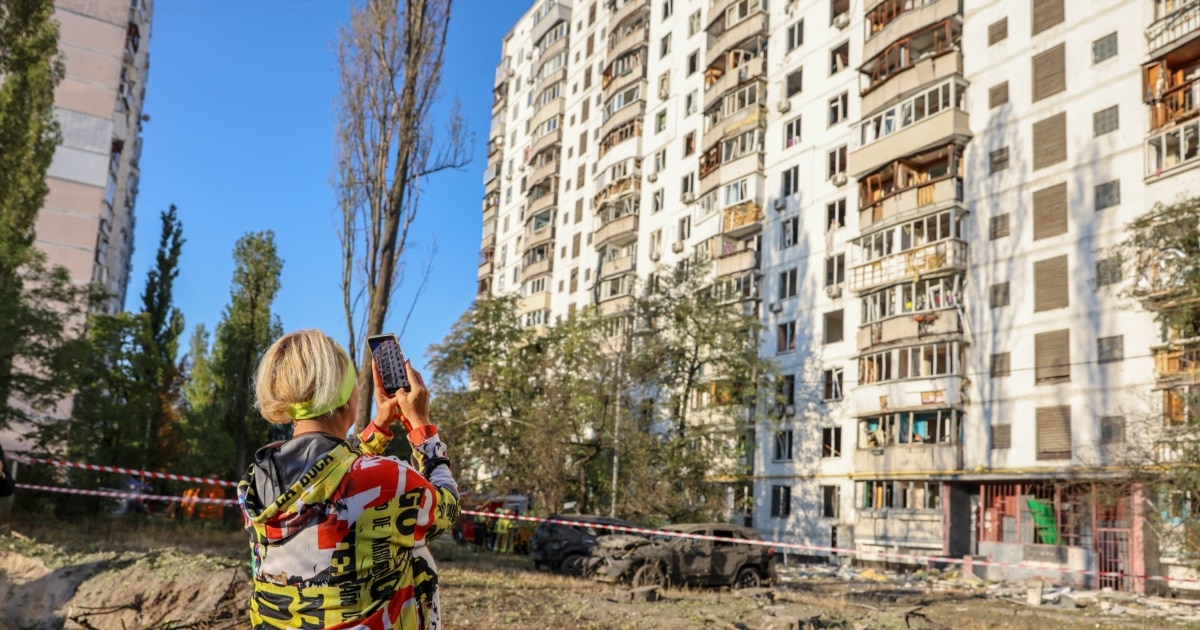
Klitschko: Debris from Russian Drone Sparks Fire in Kyiv Outbuilding
Debris from a Russian strike drone fell on a private property in Kyiv’s Dnipro district, igniting a domestic outbuilding, Mayor Vitali Klitschko said. The incident underlines a pattern of attacks by Russian forces on Ukrainian cities and civilian infrastructure that Kyiv and international bodies have condemned as war crimes.
By Alexander Walter
837 views
Debris from a Russian strike drone fell on the territory of a private homestead in Kyiv’s Dnipro district and caused a fire in an outbuilding, the mayor of the capital, Vitali Klitschko, said. In a brief statement, Klitschko said: "In the Dnipro district, fragments of a UAV fell on the territory of a private homestead. There was a fire in an outbuilding." He did not provide further details on casualties or the extent of damage beyond the outbuilding.
The incident is one of a series of attacks by Russian forces on urban areas and civilian infrastructure across Ukraine since the start of the full-scale invasion. Radio Svoboda and other Ukrainian outlets have regularly reported strikes carried out with a range of weaponry, including strike drones, missiles, guided aerial bombs and multiple-launch rocket systems. Local officials and emergency services frequently respond to fires and damage caused by falling debris and direct hits in populated areas.
Ukrainian authorities and international organizations have repeatedly characterized such strikes as war crimes. They say attacks that hit homes, hospitals, schools, energy and water infrastructure, and other civilian facilities are deliberate or recklessly indifferent to civilian harm. Some statements cited by Ukrainian officials go further, arguing that systematic targeting of life-support systems — electricity, heating, water, telecommunications and medical services — with the effect of depriving civilian populations of essential needs can amount to genocidal actions.
The Russian leadership has denied that its military intentionally targets civilian infrastructure. Moscow officials have dismissed allegations that their forces are carrying out deliberate strikes on hospitals, schools and other nonmilitary sites, asserting instead that their operations are aimed at military targets.
The Kyiv incident came amid other reports of attacks and military activity across the country. Radio Svoboda’s coverage on the same day included accounts of strikes on civilian infrastructure in Odesa region and statements from Ukraine’s military reporting heavy Russian losses and the use of various long-range weapons. Ukraine’s air force and General Staff regularly publish summaries of attacks and engagements that Ukraine says demonstrate the scale and intensity of Russia’s campaign.
Local emergency responders in Kyiv typically secure affected sites, extinguish fires and assess damage after such incidents. In many cases, debris from drones and missiles falls in residential or commercial areas, creating the risk of injuries, fatalities and wider infrastructural disruption. The mayor’s office and Kyiv’s municipal services maintain contingency plans for responding to air raid alerts, fires and other consequences of attacks on the capital.
The continuing pattern of strikes on civilian areas and infrastructure remains central to international scrutiny of the conflict. Human rights organizations and certain international bodies continue to call for investigations into alleged war crimes and increased accountability for those responsible. Kyiv’s municipal leadership and national authorities continue to document incidents and urge international partners to sustain support for emergency response, civilian protection and legal accountability mechanisms.
For the Dnipro district incident, the mayor’s office provided an initial account but no detailed casualty or damage figures were released at the time of the report. As with many such episodes, further information may emerge as emergency services complete assessments and authorities compile official incident reports.