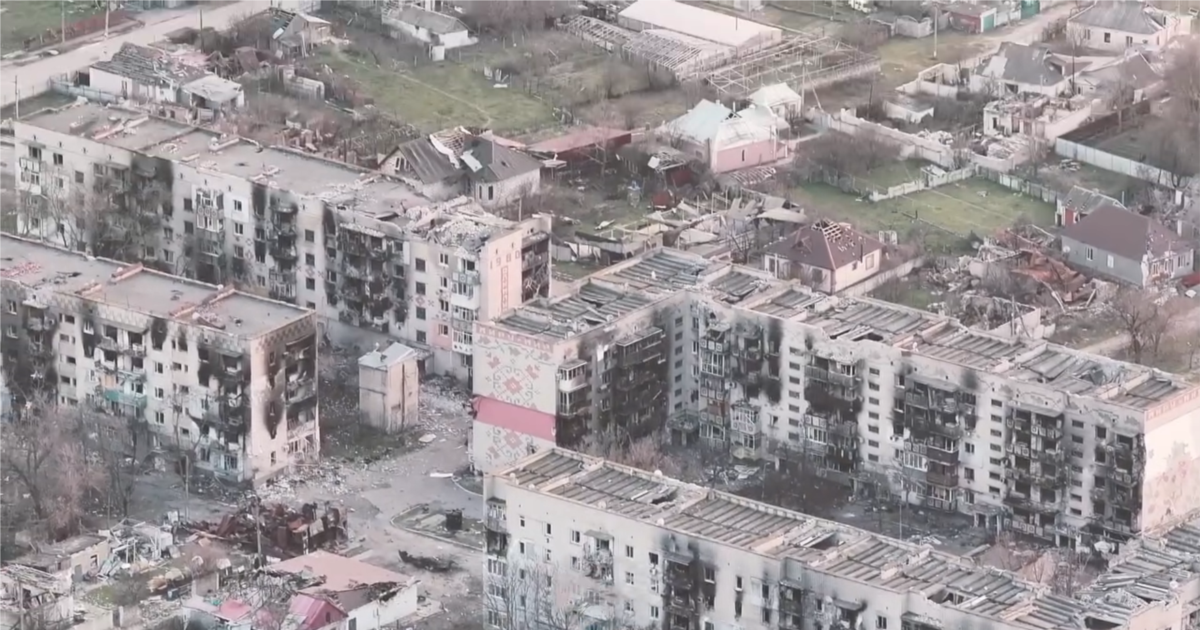
"Killed or starved to death": Life under Russian occupation in Oleshki
Residents who fled Russian-occupied Oleshki describe facing hunger, soaring food prices and threats from occupying soldiers, saying civilians have been left without supplies. With roads mined and Russian drones patrolling the skies, those escaping risked their lives; a proposed ceasefire could open a humanitarian corridor for people still trapped inside the city.
By Alexander Walter
1,088 views
Residents who have managed to flee Oleshki, a Ukrainian town currently under Russian occupation, have described dire conditions for civilians who remain inside: acute shortages of food and basic supplies, sharp increases in prices, and direct intimidation by Russian soldiers. According to accounts collected by Radio Free Europe/Radio Liberty, people have been left largely without regular access to provisions and have faced life-threatening choices as living conditions have deteriorated.
Those who left say they were subjected to verbal threats and menaces from occupying troops, and that everyday survival became a matter of choosing between immediate violence or slow death by deprivation. Several displaced residents summarized the situation in stark terms: either be killed or die of hunger, capturing the sense of desperation and lack of safe options for civilians under occupation.
Cut off from normal supply lines, many civilians fled along roads that had been sown with landmines, exposing themselves to the risk of stepping on explosive devices. At the same time, Russian drones have been reported flying over escape routes, adding a further layer of danger to movements of people attempting to leave. These twin threats — mines on the ground and surveillance or strike-capable drones overhead — have made evacuation routes perilous and complicated the delivery of any external assistance.
The lack of access to food has been compounded by sharply higher prices for whatever goods are available, making purchases impossible for many families. The combination of shortages, inflation and intimidation has forced a number of families to abandon their homes and seek refuge elsewhere despite the significant risks involved in traveling under such conditions.
Humanitarian organizations and observers warn that civilians trapped in occupied areas are among the most vulnerable in any conflict: deprived of supplies, exposed to violence, and often cut off from legal protections and assistance. The accounts from Oleshki underline those longstanding concerns and highlight the immediate need for safe, organized measures to protect civilians and ensure they have access to food, medicine and evacuation if they wish to leave.
Local sources and displaced residents say a proposed ceasefire could offer a crucial opening: negotiators have discussed the possibility of establishing a humanitarian corridor that would allow those who remain in Oleshki to exit safely or to receive aid. Such a corridor, if agreed and respected by belligerents, would reduce the need for people to risk crossing mined roads or moving beneath contested airspace. However, the success of any corridor would depend on clear guarantees from the occupying forces and robust monitoring to prevent attacks or reprisals.
The situation in Oleshki is emblematic of wider concerns across occupied and frontline areas in Ukraine, where civilian populations have repeatedly endured shortages, restrictions on movement, and exposure to military operations. The reports from residents who fled are a reminder that the human cost of occupation extends beyond direct combat, encompassing systematic deprivations and threats that can amount to violations of international humanitarian and human rights law. International bodies, aid agencies and conflict parties face urgent pressure to secure mechanisms that protect civilians and enable sustained humanitarian access to towns like Oleshki.
The accounts were reported by Radio Free Europe/Radio Liberty on October 28, 2026. They document firsthand testimony from displaced residents and underscore the urgency of diplomatic and humanitarian efforts to establish safe passages and restore access to essential supplies for populations living under occupation.