Kazakhstan Turns to Russia to Build First Nuclear Plant, Seeks Ways to Limit Moscow’s Leverage
Kazakhstan is moving forward with plans for its first nuclear power plant under a deal that would have Russia provide most of the financing and Rosatom handle construction, a project likely to entrench Moscow’s long-term influence in the country. To counterbalance that dependence, Astana plans to engage China on future nuclear projects and use new mining regulations to press foreign partners for downstream nuclear technology and greater domestic participation.
By Vanessa Bergmann
1,122 views
Kazakhstan has taken a decisive step toward building its first nuclear power plant by negotiating terms with Russia that would see Moscow provide the bulk of the project's financing and Rosatom, Russia’s state nuclear corporation, responsible for construction. The arrangement, described by Kazakhstan’s Atomic Energy Agency chairman Almasadam Satkaliyev, calls for an interstate loan from Russia covering 85 percent of the roughly $15 billion estimated cost, with Kazakhstan funding the remaining 15 percent.
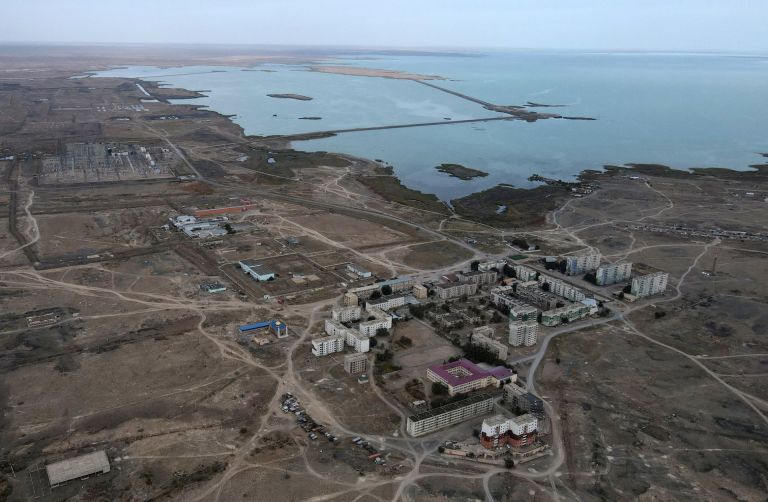
Under the plans announced on April 21, Rosatom is slated to construct a two-reactor facility near Ulken on the shore of Lake Balkhash in southeastern Kazakhstan. The planned plant would deliver a total capacity of 2.4 gigawatts, with commissioning targeted for 2035–36. Once formalized, the financing and construction agreements are expected to build on Rosatom’s existing mining presence in Kazakhstan’s uranium sector.
The project marks a momentous shift for Kazakhstan’s energy infrastructure: it will be the country’s first domestically sited nuclear power plant and represents a substantial investment in long-term electricity generation capacity. At the same time, the structure of the deal—particularly the heavy Russian financing and the involvement of Rosatom—raises strategic implications beyond energy policy. Analysts and officials point out that such commitments can translate into enduring geopolitical leverage for the financing and construction partner.
Kazakhstan’s leadership has signaled awareness of those strategic risks and is taking steps to avoid becoming overly dependent on a single foreign partner. Astana intends to hedge the emerging dependence on Moscow by pursuing parallel relationships: officials are exploring Chinese involvement in future nuclear projects and are leveraging newly implemented mining regulations to extract greater concessions from foreign investors. Those regulatory changes are aimed at securing downstream nuclear technology and enhancing Kazakhstan’s domestic role in the nuclear value chain.
By pressing for downstream technology transfer from foreign partners, Kazakhstan hopes to build local capacity in areas such as fuel fabrication, component manufacturing or other nuclear-related industries—measures that could blunt long-term external influence by increasing national self-sufficiency. The strategy reflects a balancing act: Kazakhstan needs significant capital and technical expertise to develop a nuclear program, but it also seeks to retain control over key elements of the sector and to diversify external ties to avoid exclusive reliance on Russia.
The coming years will be critical for how effectively Astana can execute this dual approach. The initial Russia-backed project will likely deepen Moscow’s ties to Kazakhstan’s nuclear and uranium sectors, given Rosatom’s existing mining foothold. At the same time, successful negotiations with Chinese partners on later projects or meaningful technology transfer secured through mining and investment rules could provide Astana with alternatives and bargaining leverage.
Beyond the immediate bilateral arrangements, the project has broader regional implications. Kazakhstan’s choices will influence the balance of influence in Central Asia, where Russia, China and other external actors vie for economic and strategic partnerships. How Kazakhstan manages financing, technology transfer and regulatory leverage in its nuclear sector will serve as a test case for other resource-rich states seeking to develop strategic industries while navigating great-power competition.
For now, the planned Lake Balkhash plant remains a multi-year undertaking with key contractual and regulatory steps still to be completed. The announced financing split, construction plans and the 2035–36 commissioning target set the framework for a project that could reshape Kazakhstan’s energy mix and its geopolitical alignments in the decades ahead.