Kazakhstan signs contract with Russia’s Atomstroyexport to build first nuclear power plant amid budget allocations and controversy
Kazakhstan formally signed a contract on September 3 with Russia’s Atomstroyexport (a Rosatom subsidiary) to design, supply and construct its first nuclear power plant near Lake Balkhash. The deal, signed in Vladivostok, moves the project to a practical phase even as budget plans, proposed Russian export credit financing and reported irregularities in the 2024 referendum that authorized the project fuel criticism from environmentalists and civic observers.
By Vanessa Bergmann
1,045 views
Kazakhstan has officially signed a contract with a Russian state contractor to design, supply and build the Central Asian republic’s first nuclear power plant, authorities announced following a ceremony on September 3 in Vladivostok. The parties to the agreement are “Казахстанские атомные электрические станции” (Kazakhstan Atomic Power Stations) and Атомстройэкспорт (Atomstroyexport), a subsidiary of the Russian state corporation Rosatom. The signing took place on the sidelines of the Eastern Economic Forum and was attended by the head of Kazakhstan’s atomic energy agency, Almasadam Satkaliyev, and Rosatom’s director general, Alexey Likhachev.
Kazakhstan’s atomic energy agency said the contract advances the project to its “practical stage.” The government’s three-year republican budget includes more than 818 billion tenge (about $1.7 billion) earmarked for the construction of the first plant. Those funds are to be injected into the charter capital of the Kazakhstani operator in three tranches: about 248 billion tenge in 2027, 303 billion tenge in 2028 and 267 billion tenge in 2029.
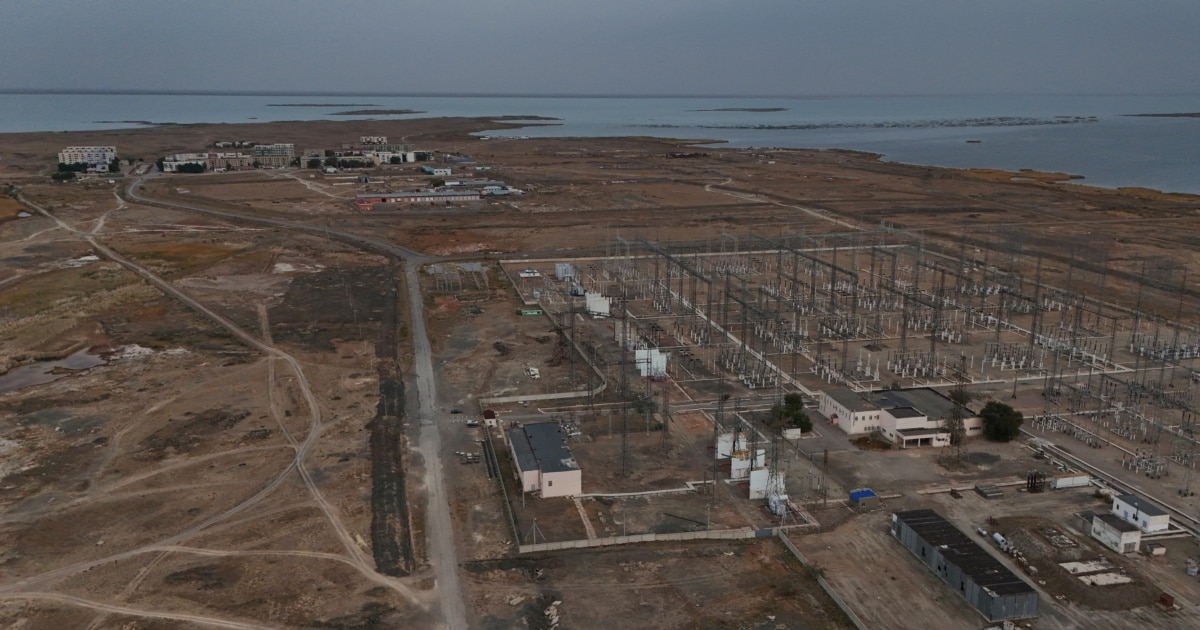
Official project plans place the proposed site near the village of Ulken in Almaty region on the shore of Lake Balkhash. The design includes two VVER-1200 reactor units. According to the timeline published in state reporting, research at the site began in August 2025, first concrete could be poured in 2029, and commercial start-up of the plant is targeted for 2035–2036.
In spring 2026, Satkaliyev said the total cost of the project would be $16.4 billion. Under the financing scheme he described, 85 percent of the cost would be covered by a Russian export credit and 15 percent by Kazakhstan’s contribution. Observers who reviewed the budget documents note that the three tranches of state funding, totaling more than 550 billion tenge, appear to be planned for transfer to the supplier before the main construction phase begins.
The decision to proceed with construction followed a 2024 national referendum in which voters were asked to approve building a nuclear power plant. International and domestic observers reported problems with the vote, including alleged violations of electoral procedures and instances of ballot stuffing. Those reported irregularities have become part of broader public debate about the governance of the project and the transparency of the decision-making process.
Environmental groups in Kazakhstan have voiced opposition to building a nuclear station on the shores of Lake Balkhash, warning of potential ecological risks to the lake and surrounding communities. Civil society activists and some political analysts also express concern that choosing a Russian contractor and relying on a Russian export credit will deepen Kazakhstan’s economic and strategic dependence on Moscow.
Kazakh authorities have said two additional nuclear stations will be built by China, but officials have not announced timelines or details for those projects. The signing with Atomstroyexport marks a key contractual step for the first plant and raises questions about oversight, budgetary priorities and environmental safeguards as the project moves from planning into execution.
The negotiations, financing arrangements and reported referendum irregularities will likely draw continued scrutiny from domestic civic groups and international observers focused on government accountability and the protection of public rights. For local residents and environmental advocates around Lake Balkhash, the priorities will be detailed environmental impact assessments, transparent procurement and safeguards to prevent harm to the lake’s ecosystem. The government’s next budgetary moves and the structure of the export credit will be critical elements that determine both the pace of construction and the degree of foreign influence over Kazakhstan’s nascent nuclear sector.