Kazakh President Appoints Aida Balaeva as Deputy Chair of Security Council; Former Culture Minister Linked to Controversial Media Law
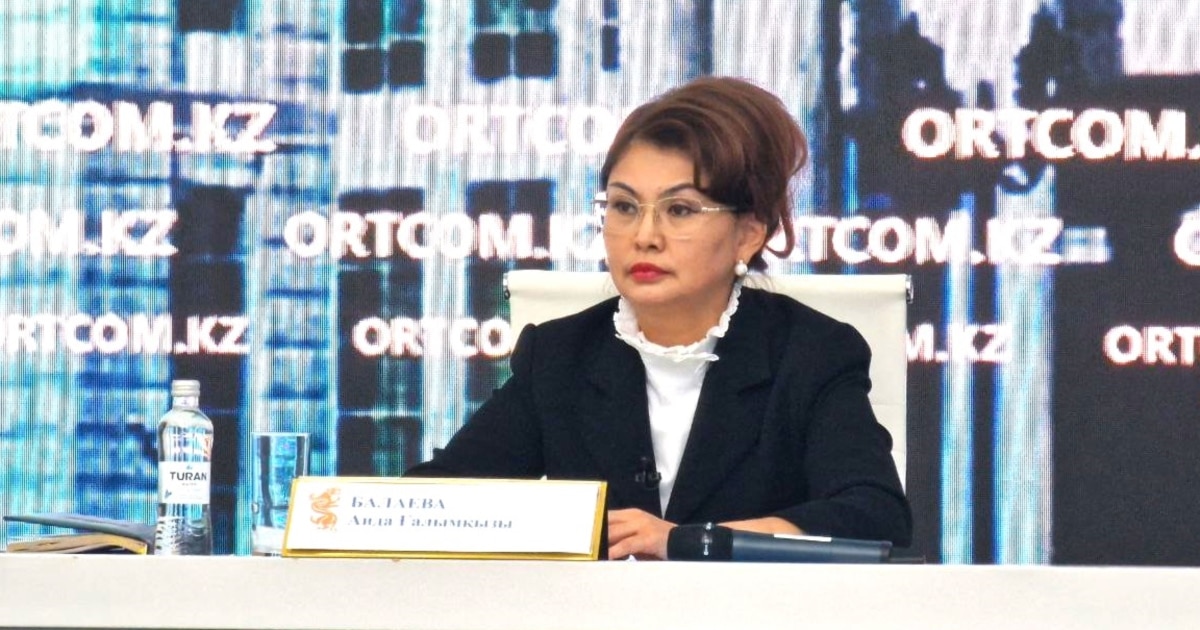
President Kassym-Jomart Tokayev has signed a decree naming Aida Balaeva as deputy chair of Kazakhstan's Security Council and relieving Gizat Nurdaulatov of his post as the council's secretary. Balaeva, a long-time state official and former vice prime minister and minister of culture and information, headed the ministry when a 2024 law on mass media drew criticism from journalists and media-rights defenders.
By Clémence Desjardins
1,023 views
President Kassym-Jomart Tokayev has appointed Aida Balaeva to the newly established position of deputy chair of Kazakhstan’s Security Council, the presidential press service (Akorda) announced. The move, formalized in a presidential decree, also removed Gizat Nurdaulatov from the post of secretary of the Security Council; Akorda’s statement did not supply reasons for Nurdaulatov’s dismissal.
Tokayev first announced his intent to create the new deputy chair position on August 28, saying he would make the appointment once the structure of the new Kurultai was shaped. In his remarks published by the presidential service he said: «После того как сформируется структура Курултая, я внесу на рассмотрение депутатов кандидатуры вице-президента и премьер-министра. Затем, после консультаций с вами, я назначу членов правительства. Кроме того, будет произведено назначение на новую должность заместителя председателя Совета безопасности», — сказал Токаев. On August 29 he signed a separate decree creating an apparatus for the Security Council that is directly subordinate to the president.
The Security Council is the state body that coordinates the activities of government agencies, security forces and special services on matters the presidency defines as national security, defense, law enforcement and the country's international positions. The president of Kazakhstan serves as the council’s chair.
Aida Balaeva brings more than two decades of experience in public service to her new role, having held posts in the presidential administration and in government. Prior to this appointment she served as a vice prime minister and as minister of culture and information. Her tenure in that ministry coincided with the passage in 2024 of a new law "On mass media" (О масс-медиа), which drew criticism from journalists, experts and media-rights groups in Kazakhstan and abroad.
Media watchdogs and members of the journalistic community voiced concerns after the 2024 law’s adoption that newly introduced language and requirements could be used as tools of pressure against independent newsrooms and bloggers. Critics argued that some of the formulations in the law were vague and could enable increased administrative or legal actions against journalists and independent outlets, while officials defended the legislation as necessary for regulating the media environment.
The presidential announcement provides little detail on Balaeva’s mandate within the Security Council or how her responsibilities will differ from those of the removed secretary. Nor did Akorda specify the rationale for Nurdaulatov’s dismissal. The creation of a council apparatus directly answerable to the president and the naming of a deputy chair signal a reorganization of the presidency’s security and coordination structures at a time when Kazakhstan is navigating both domestic and regional security challenges.
Observers of Kazakhstan’s political and media environment are likely to scrutinize Balaeva’s new role given her recent ministerial portfolio and the controversy surrounding the 2024 media law. How the Security Council under this restructured leadership will engage with issues that touch on media freedoms, civil liberties and the regulation of public discourse remains an open question. Media advocates say they will be watching for any signs that the council’s expanded apparatus or its leadership appointments are used to tighten controls over independent journalism or civic space.
The president’s office framed the changes as part of broader state-structure adjustments tied to the Kurultai formation and subsequent government appointments. Beyond Akorda’s brief statement, no further explanation has been released about the operational responsibilities assigned to the deputy chair or the personnel who will staff the newly formed Security Council apparatus.