Kazakh Parliament Ratifies CSTO Protocols to Speed and Simplify Alliance Troop Movements
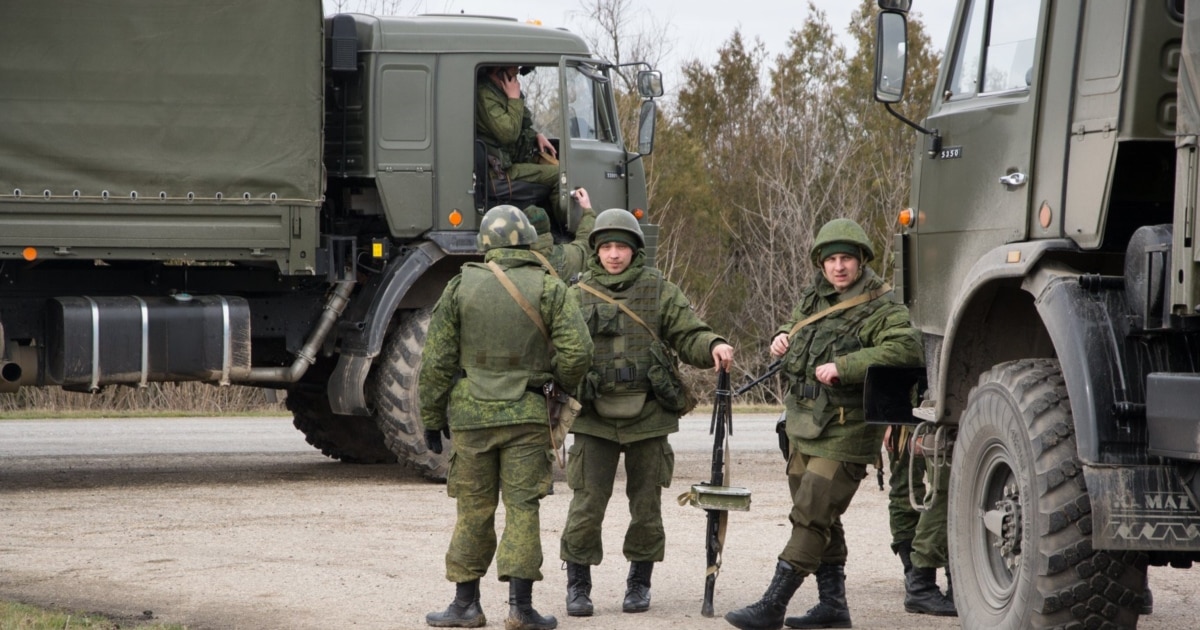
Kazakhstan’s lower parliamentary chamber has ratified amendments to Collective Security Treaty Organization (CSTO) protocols that formally define technical terms for transit and air operations and shorten the window for requesting troop and equipment movement after a CSTO decision. The measures, signed by five member-state leaders in November 2024, aim to reduce bureaucratic procedures during so-called crisis situations and recall the CSTO deployment to Kazakhstan in January 2022.
By Alexander Walter
1,115 views
Kazakhstan’s Mazhilis, the lower house of parliament, has ratified a set of protocols to the Collective Security Treaty Organization (CSTO) that the government says will ease and accelerate the entry and transport of alliance forces between member states in times of crisis. According to the parliamentary statement, the amendments are intended to reduce bureaucratic procedures required when the CSTO needs to move troops rapidly from one country to another.
The protocols formally establish several important technical concepts in the CSTO agreement, including definitions related to transit, airport technical support, air navigation services and aeronautical data. Those formal definitions are intended to clarify responsibilities and streamline the logistical and administrative steps involved when alliance forces cross borders for operations or support missions.
Kazakhstan’s deputy defence minister, Askar Mustabekov, told the Mazhilis that the new rules also more strictly delineate the reasons the bloc’s forces can be sent to a member state. He said the changes significantly limit delays when rapid action is required: “Жаңа ережелер сонымен бірге блок әскерін белгілі бір елге жіберу себептерін де қатаң ажыратады. Шұғыл қажет болған кезде бюрократиялық процедуралар барынша азайтылады: егер бұрын әскер мен техниканы тасымалдауға өтініш беруге үш күн бөлінсе, енді ұжымдық қауіпсіздік кеңесінің тиісті шешімінен кейін бір күн ғана болады.” The passage shortens the period for lodging requests for troop and equipment movement from three days to one day after a relevant decision by the CSTO Collective Security Council.
The protocols ratified by the Mazhilis were signed in November 2024 by the heads of state of five CSTO members: Kazakhstan, Belarus, Kyrgyzstan, Russia and Tajikistan. The parliamentary action brings Kazakhstan’s domestic legal framework into alignment with the revised provisions agreed by those leaders.
The move recalls a high-profile instance of CSTO intervention in Kazakhstan in January 2022. During widespread unrest then, President Kassym-Jomart Tokayev said the country had been attacked by “thousands of terrorists trained abroad” and requested assistance from the CSTO. Allies subsequently deployed forces to Kazakhstan, marking the first time CSTO troops entered the territory of another member state. The president’s assertion that foreign-trained militants were involved has not been accompanied by public evidence to date.
Supporters of the amendments in government portray them as practical steps to enable faster, clearer cooperation among allied militaries in emergencies. The formalization of technical terms and the compressed timeframe for operational approval are presented as ways to reduce delay during crises that require rapid reinforcement or evacuation assistance.
The ratification is likely to shape how quickly and under what procedural terms CSTO forces can be moved across member-state territories in future crises. By shortening the post-decision window for requesting transport and codifying operational definitions, the amendments alter the alliance’s operational-readiness framework and could affect member states’ responses to internal unrest, cross-border incidents or other emergency scenarios.
The parliamentary announcement did not provide further details on any domestic safeguards or oversight mechanisms linked to the faster deployment process. The changes will now be part of Kazakhstan’s legal framework governing cooperation with the CSTO and could have implications for national sovereignty and civil liberties should allied forces be called on to operate inside a member state.