Kazakh Minister Defends Charge Against Satirical YouTuber Detained on 'Incitement' Allegations
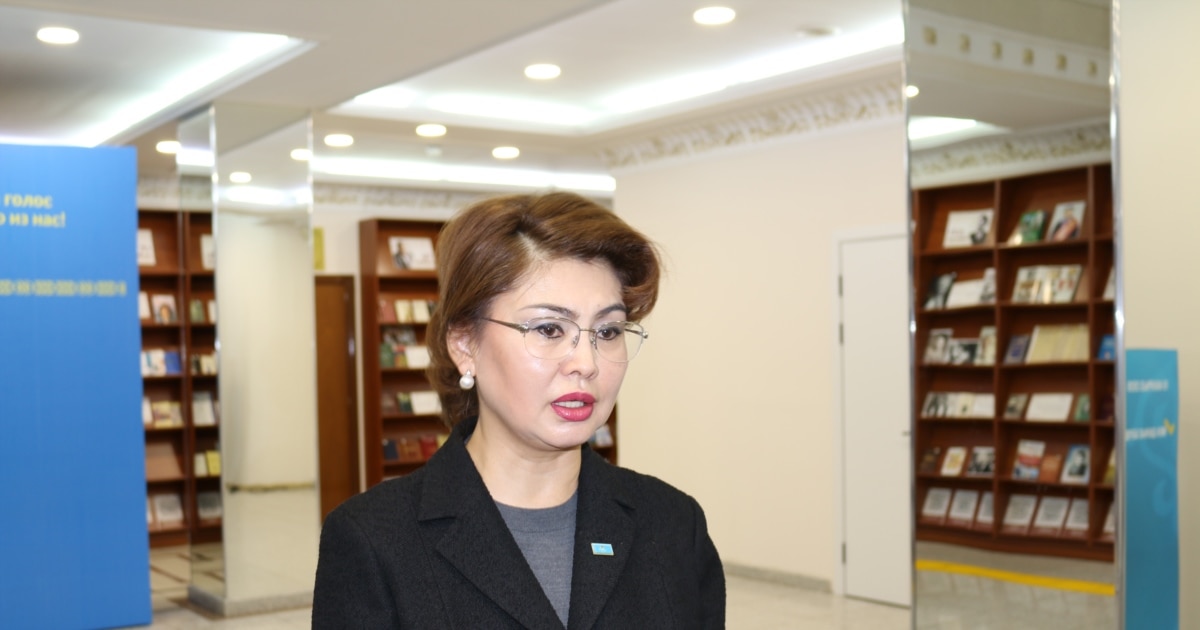
Kazakh Culture and Information Minister Aida Balaeva said satire itself is not illegal but defended the application of Article 174 in the detention of Azamat Omarov, author of the YouTube channel «Ахуал Сегодня», who was ordered held for two months on suspicion of inciting social and national enmity. Omarov’s lawyer says police seized computers and phones; human rights groups warn the article’s broad language risks criminalizing legitimate speech.
By Christopher Manley
805 views
Kazakhstan’s minister of culture and information, Aida Balaeva, has publicly commented on the criminal case against Azamat Omarov, the author of the popular YouTube channel «Ахуал Сегодня», who has been detained in Astana as a suspect in a probe into alleged “incitement of enmity.” The minister’s remarks, published on her Facebook page, sought to clarify the government’s position while reiterating that certain forms of speech may fall under existing criminal provisions.
In her post Balaeva said that “в социальных сетях некоторые гражданские активисты и правозащитники распространяют информацию, что Омаров задержан якобы за 'сатиру над высокопоставленными чиновниками'.” She added that satire and humor “Сама по себе сатира и юмор не являются правонарушениями, за них ответственность законодательством не предусмотрена,” but emphasized that the authorities are acting under Article 174 of the criminal code. As she explained: “Статья 174 предусматривает ответственность за разжигание социальной, национальной, этнической, расовой или религиозной розни. И, насколько я понимаю, именно по подозрению в нарушении этой статьи он задержан. Дело в том, что в случаях распространения информации и контента с признаками разжигания любого вида розни, предусматривается установленная законодательством ответственность, даже если материал подается под видом сатиры.”
Details of the case against Omarov remain limited. Azattyq Asia reported that the outlet was unable to obtain comments from the Astana police department or the city court about the circumstances of Omarov’s detention and the court’s decision on pretrial measures. Omarov’s lawyer, Tolegen Shaikov, told Azattyq Asia that his client was ordered placed in pretrial detention for two months following a search in which investigators seized several computers and mobile phones.
Shaikov quoted the court document describing the contested materials: "На видео Омаров в сатирической форме высказывается о президенте, действующей власти, затрагивает вопросы о социально-экономической политике и деятельности государства. Высказывание носит иронический и критический характер, при этом формирует негативое восприятие среди населения". The lawyer said Omarov rejects the criminal case and regards his videos as ordinary satire and humor.
Omarov’s channel, which he used to post commentary on public and political topics, often combined irony with critique. According to the channel description cited in reporting, the content is explicitly “информативно-юмористический характер.” His videos have addressed issues such as the government’s decision to shift the country to a single time zone and included commentary on both former and current presidents.
International rights groups have criticized the application of Article 174. Human Rights Watch and other organizations have previously warned that the article’s wording is vague and broad, giving authorities room to interpret critical commentary as criminal conduct. Human Rights Watch has noted that such formulations “can be used — and have been used — to criminalize lawful expression and behavior protected under human rights law.” Rights advocates say vague laws that criminalize “incitement” risk creating a chilling effect on journalists, satirists and civil society actors.
The unfolding case raises questions about where the line will be drawn between protected satirical expression and punishable incitement under Kazakhstan’s criminal code. Legal experts and free-expression defenders have for years urged the Kazakh authorities to narrow criminal provisions that can be applied to public commentary. For now, Omarov remains in custody while investigators pursue the probe; his case will be closely watched by media freedom advocates both inside Kazakhstan and internationally as a test of how the state applies criminal law to critical online speech.
Azattyq Asia’s reporting indicates that public interest in the case is significant but that official confirmation from law enforcement and the courts has been limited. The lack of transparent information about the specific passages or materials said to constitute incitement, together with international concern over the law’s broad language, has amplified calls from rights groups for clarity and caution in prosecuting speech-related offenses.