Kazakh Eco-activist Aruna Ortaeva Sent to 15-Day Administrative Arrest After Opposition to Kok-Zhailau Resort
Aruna Ortaeva, a prominent opponent of plans to build a ski resort at Kok-Zhailau near Almaty, has been placed under administrative arrest for 15 days after police searched her home and detained her, human rights monitors say. Authorities are probing whether recordings Ortaeva posted online relate to an alleged violation of communications secrecy, a development that critics say could chill environmental activism and public scrutiny of the Almaty SuperSki project.
By Blake Marriott
1,196 views
An environmental activist who has campaigned against construction of a ski resort in the Kok-Zhailau tract near Almaty has been detained and placed under administrative arrest for 15 days, the Kazakhstan Bureau for Human Rights reported. The bureau said Aruna Ortaeva was accused of “not obeying lawful police orders” though further details of the alleged offense have not been released.
According to human rights monitors, police conducted a search of Ortaeva’s home and on August 29 took her to the local police department. The search and subsequent detention may be linked to material Ortaeva posted on Instagram: audio recordings from a session held at the Almaty akimat, the city administration, where officials discussed the fate of trees listed in the country’s Red Book that would be affected by the resort’s construction.
Authorities have opened a criminal investigation under Article 148 — «Незаконное нарушение тайны переписки, телефонных переговоров, почтовых, телеграфных или иных сообщений» — a provision concerning the illegal violation of the secrecy of correspondence and communications. The police are treating Ortaeva as a witness in the inquiry and she is recorded as having the right to legal defense, the rights bureau said.
The bureau also noted that the charge does not appear to be the better-known provision on misinformation, observing: «Судя по тому, что дело возбуждено не по известной статье "распространение заведомо ложной информации", заседание могло иметь место быть». That phrasing suggests the audio may reflect a real meeting rather than fabricated material, the bureau added.
On the day Ortaeva was detained, other opponents of the Kok-Zhailau resort visited the police station to inquire about her situation. They told reporters that Ortaeva had hoped the police “would investigate and catch real criminals,” but that instead she was herself taken into custody. The visitors’ account underscores the broader concern among campaigners that authorities are targeting activists who are attempting to draw public attention to environmental and administrative irregularities.
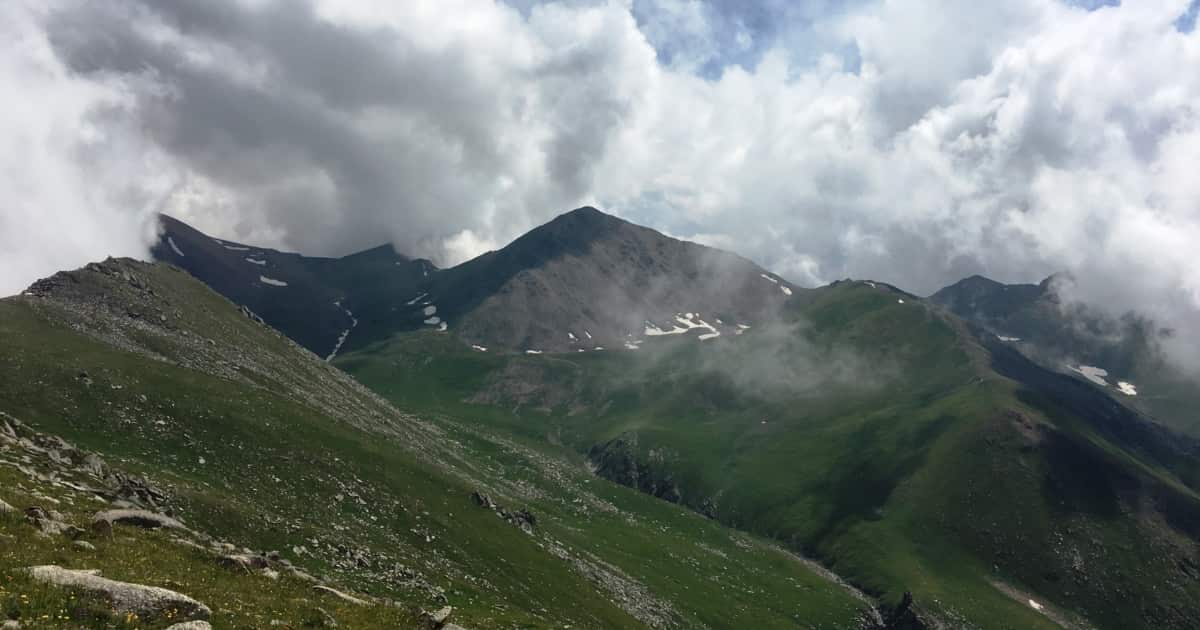
Debate over development of the Kok-Zhailau area has been active since 2018, when plans for the Almaty mountain cluster — a program that envisages cable cars, hotels and tourist infrastructure — first surfaced. Independent ecologists and civic activists have argued that large-scale construction would cause irreversible damage to fragile mountain ecosystems, threaten rare species of flora and fauna and worsen environmental conditions in Almaty and its surrounding ranges.
In 2019, then-President Kassym-Jomart Tokayev publicly banned construction at Kok-Zhailau, citing the opinions of leading environmental experts. That prohibition, however, did not remain permanent. Seven years later the president instructed authorities to develop mountain tourism infrastructure in Almaty and the Almaty region. In June 2026, the Almaty SuperSki project, a central element of the development plans, was reported to have received the necessary permits.
Ortaeva’s detention comes against this background of renewed momentum for the resort project and highlights tensions between environmental campaigners seeking accountability and government and commercial interests pursuing tourism development. Human rights groups say moves to detain activists or investigate them under criminal provisions related to communications secrecy risk chilling civic oversight and public debate on matters of environmental protection and urban planning. The Kazakhstan Bureau for Human Rights has publicized Ortaeva’s case and the limited official information available; it remains unclear whether additional charges will be brought and how the investigation will proceed.