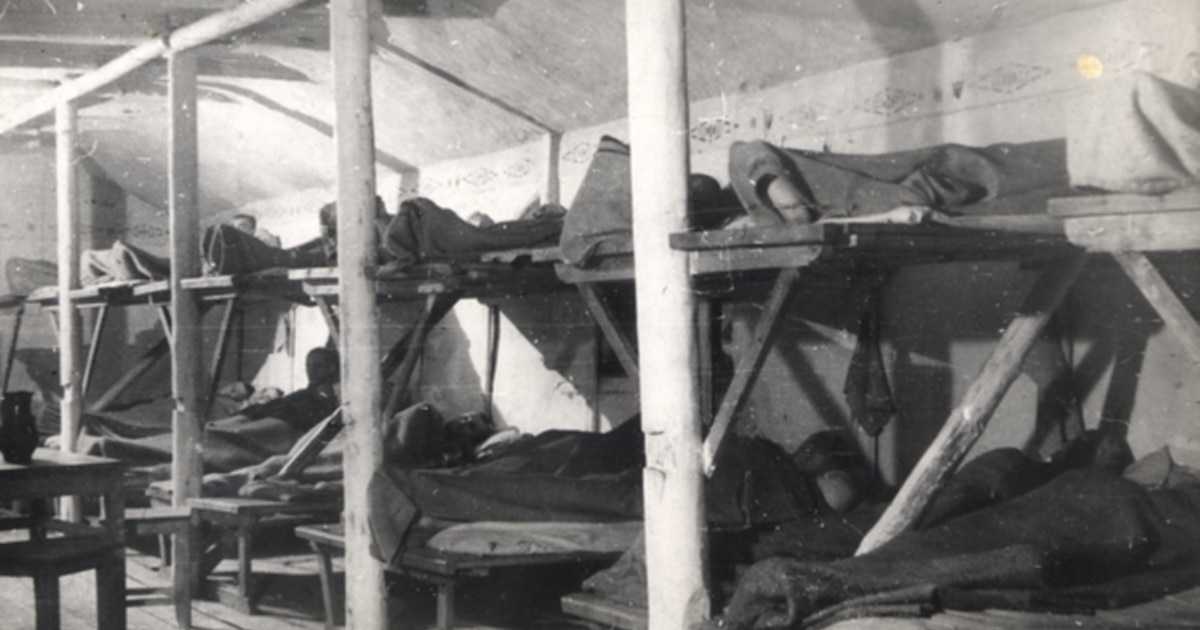
June 29 in Belarusian history: One-day deportation of 23,000 to Siberia and the 10th anniversary of journalist Volha Karatkevich’s death
June 29 is remembered in Belarusian historical chronicles for a severe act of mass repression and for the loss of a journalist who covered Belarusian affairs. On this date in 1940, Soviet authorities deported approximately 23,000 residents of Western Belarus to Siberia in a single day. The date also marks ten years since the death in 2016 of Volha Karatkevich, a journalist and employee of Radio Svaboda.
By Vanessa Bergmann
816 views
June 29 carries heavy resonance in Belarusian historical memory. On that date in 1940, Soviet authorities carried out one of the largest single-day deportations of residents from Western Belarus to Siberia, removing approximately 23,000 people in a single operation. The scale of the operation has made the date a focal point for remembrance of Soviet-era repression and the long-term social and demographic consequences it produced for families and communities in the region.
The June 29, 1940 deportation is noted among the major entries in daily historical chronologies of Belarusian and world events. The figure of some 23,000 deported in a single day is reported by Belarusian historical accounts and is frequently cited in commemorations that highlight the human cost of mass forced relocations carried out during that period. Victims of such deportations faced forced displacement to remote regions of Siberia, where many encountered harsh climates, difficult living conditions, and the disruption of family and community life.
Beyond the immediate human toll, the deportations are remembered for their long-term effects on the cultural and demographic landscape of Belarus. Families broken apart by forced relocations, the loss of local leadership and intelligentsia, and the interruption of traditional life in affected communities are recurring themes in the historical record and in the practice of public commemoration. For many Belarusians, the events of June 29 serve as a reminder of the vulnerability of civil rights and of the importance of documenting and remembering past abuses.
June 29 is also marked this year as the tenth anniversary of the death of Volha Karatkevich. Karatkevich, who died in 2016, was a journalist and a staff member of Radio Svaboda. Her death is recorded among the notable entries for that date in Belarusian media archives. For colleagues, readers and advocates of press freedom, anniversaries of a journalist’s death underscore the ongoing significance of independent reporting and the risks faced by media professionals who cover politically sensitive topics in Belarus and the region.
Radio Svaboda, which lists June 29 among its historical entries, compiles a range of births, deaths and events that have shaped Belarusian public life. In addition to the two headline items — the 1940 deportation and Karatkevich’s death — the chronicle format includes other historical notes spanning centuries. Such daily historical roundups are part of public efforts to maintain collective memory: they connect contemporary readers with events that shaped the country’s political, social and cultural development.
The pairing of the deportation anniversary with the remembrance of a journalist’s death links two strands of modern Belarusian history: state-driven repression that targeted civilian populations and the pressures faced by those who attempt to document and report on their society. Both types of events speak to broader questions about accountability for past abuses and about protections for civil liberties and freedom of expression today.
As Belarusians and observers mark these anniversaries, the historical entries on June 29 serve not only as a record of what happened but also as a prompt for reflection on memory, justice and the safeguarding of basic rights. Remembering the victims of mass deportations and commemorating journalists who worked under difficult conditions remain part of ongoing discussions about human rights, historical truth and the responsibilities of governments and societies to confront difficult chapters of their past.