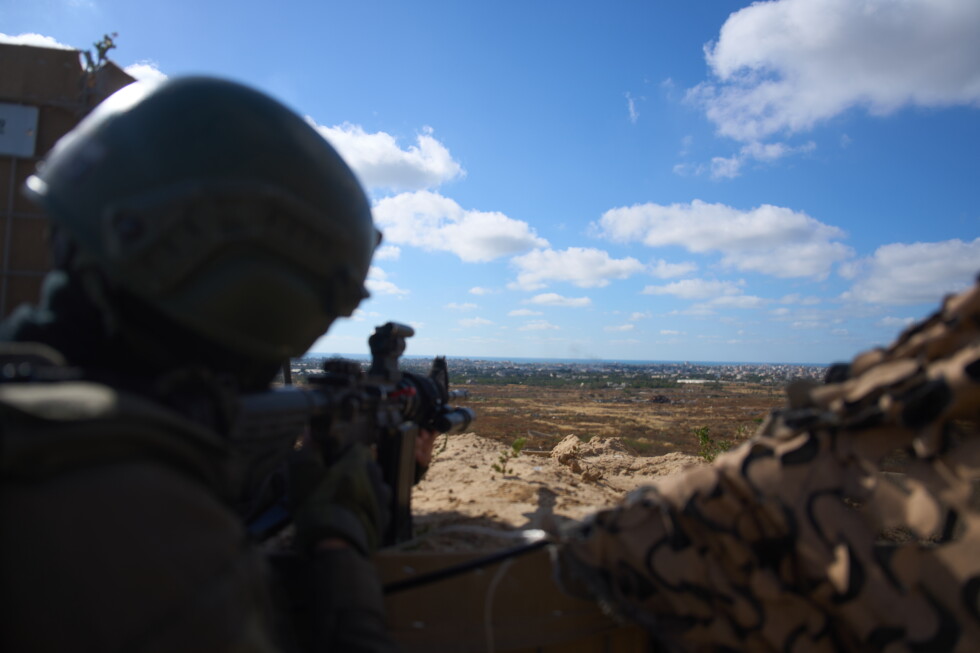
Israeli Soldiers Tell AP: 'To Call It a Ceasefire Is a Joke' — Rare Frontline Accounts from Gaza
In an Associated Press report, Israeli soldiers described a recent pause in fighting in Gaza as a sham, offering unusually candid frontline perspectives that raise questions about the durability of pauses in combat, humanitarian access, and the morale of troops operating in the enclave.
By Blake Marriott
902 views
Several Israeli soldiers have given rare, first-hand accounts from Gaza to The Associated Press, bluntly characterizing a recent pause in hostilities as ineffective and, in the words quoted in the AP report, “a joke.” The interviews, described by the AP as unusually candid, offer a window into how some members of Israel’s forces view temporary halts in fighting and the operational realities they face on the ground.
According to the AP, the soldiers’ remarks portrayed the pause as falling short of a true ceasefire. The accounts, relayed directly to AP journalists, convey frontline perceptions that—if widespread—could undermine public and international confidence in negotiated pauses and humanitarian arrangements. The AP framed the comments as rare because direct, on-the-record testimony from Israeli troops operating inside Gaza is uncommon in the press, and these voices provide a perspective not often elevated in coverage of the conflict.
The soldiers’ descriptions, as reported, highlight tensions between the idea of a negotiated pause and the day-to-day experience of combatants. Even short interruptions in fighting can be interpreted differently by parties on the ground and by those responsible for managing logistics and civilian relief. The AP’s reporting suggests that at least some soldiers feel the arrangements have not delivered on promises of reduced violence or meaningful relief, a view that carries implications for military planning and civilian protection.
These frontline accounts matter beyond immediate battlefield morale. If soldiers widely perceive pauses as ineffective, that perception can influence operational choices, engagement rules, and the willingness of forces to rely on diplomatic or mediated interruptions in combat. The AP story indicates that such skepticism among troops could complicate efforts to implement or extend pauses intended to allow for humanitarian aid deliveries, evacuations, or negotiations.
The reporting also raises questions about how international and domestic audiences interpret temporary halts in fighting. For diplomats and aid organizations, the credibility of a pause is crucial for arranging safe corridors, delivering relief supplies, and protecting civilians. For political leaders, soldier testimony that a pause is essentially meaningless may intensify pressure to pursue alternative strategies or harden positions. The AP’s dissemination of these accounts thus feeds into ongoing debates over the effectiveness of ceasefires and the mechanisms needed to enforce them.
The AP piece, by giving voice to Israeli servicemembers, adds a layer of human observation to broader analyses of the conflict. While those quoted described the pause in stark terms, the report does not provide a comprehensive account of all military activity or the perspectives of other stakeholders, including civilian Gazans, Israeli authorities, or international mediators. Nevertheless, the soldiers’ statements underscore the difficulty of translating diplomatic agreements into verifiable and sustainable calm on the ground.
Independent reporting that includes frontline perspectives can shape policymaking and public understanding by revealing gaps between formal agreements and operational realities. The AP’s presentation of these soldiers’ views underscores the fragile nature of pauses in a protracted and complex conflict and points to the challenges facing those who seek lasting reductions in violence. As the situation evolves, such testimony will likely be weighed alongside diplomatic efforts, humanitarian assessments, and official statements to form a fuller picture of whether temporary halts are steps toward durable calm or merely interludes in ongoing hostilities.