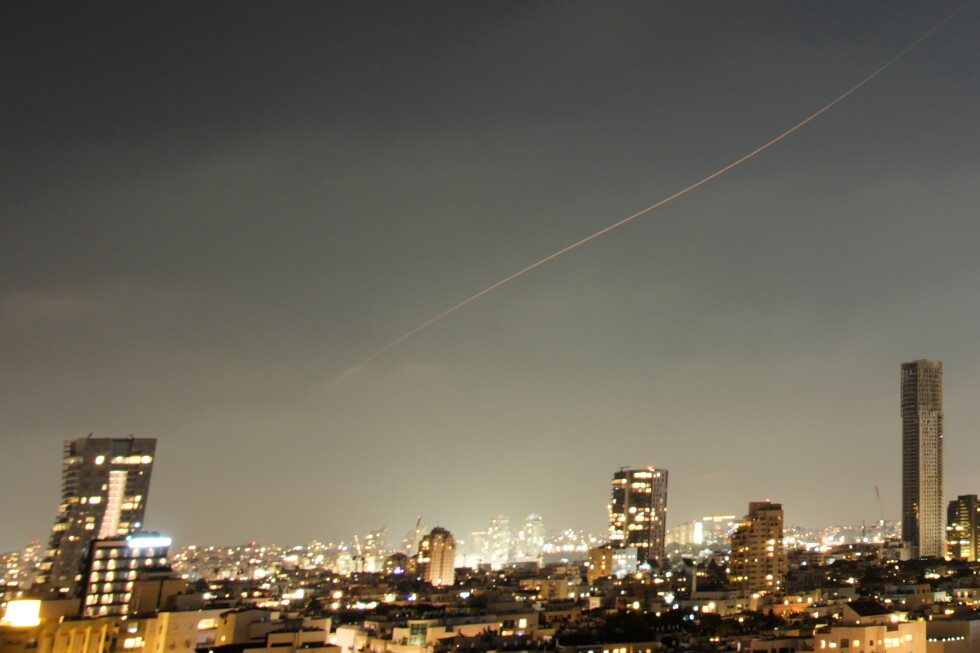
Israel Says Iran Launched Missiles in First Bombardment Since Fragile Ceasefire, Raising Risk of Wider Conflict
Israel has reported that Iran launched missiles at its territory, an attack described by Israeli officials as the first such bombardment since a fragile ceasefire had been established. The exchange of strikes between the two countries threatens to unravel a tenuous calm and heighten concerns of a broader regional confrontation.
By Alexander Walter
993 views
Israeli authorities announced that Iran launched missiles at Israeli territory, marking what officials described as the first bombardment of its kind since a fragile ceasefire took hold. The attack — reported by Israel as originating from Iran — represents a serious escalation in tensions between the two countries and threatens to undermine a tenuous period of reduced hostilities.
Israeli officials characterized the incoming fire as a direct strike by Iranian forces, a development that stands out because it followed a period in which active large-scale fighting had eased under a fragile ceasefire. Details released by Israeli authorities about the number of projectiles, the areas targeted or the extent of damage were limited at the time of the announcement. Assertions about the origin of the missiles came from Israeli security sources speaking to the media.
The reported attack drew immediate alarm because it signals a possible shift from localized exchanges and proxy confrontations toward more direct state-to-state military actions. For months, tensions in the region have been characterized by a mix of drone and missile strikes, naval incidents and shadowy operations, often involving proxies and nonstate armed groups. An admission or acknowledgment that Iran itself launched missiles against Israeli territory would raise the stakes and widen the potential scope of retaliation.
Analysts say such an escalation could quickly draw in other actors across the region and complicate diplomatic efforts to preserve the fragile calm that had been established. Military confrontations between Israel and Iran carry implications not only for the immediate border areas but also for broader regional security and international relations, including the safety of civilians, the security of shipping lanes, and the posture of external powers with interests in the Middle East.
Both Tehran and Jerusalem have long viewed one another as central security threats, and exchanges of fire risk undoing efforts to contain hostilities. While the ceasefire that preceded this strike had reduced overt large-scale operations, underlying tensions, retaliatory cycles and the presence of allied militias and proxy forces have continued to produce instability. A direct missile bombardment attributed to Iran therefore represents a dangerous development in an already volatile environment.
International reactions to the reported attack were likely to focus on calls for restraint and de-escalation, as foreign governments and multilateral bodies frequently urge when confrontations threaten to widen. The immediate concern for diplomats and security planners is to prevent a tit-for-tat cycle from expanding into a broader conflict that would draw in neighboring states or outside powers.
At home, the reported strike is liable to shape public debate and political pressures in Israel regarding national security policy and military responses. For Iran, the decision to undertake a strike attributed to its forces — if independently confirmed — would reflect a willingness to confront Israel directly rather than relying solely on allied groups or proxy actors. Both courses of action carry significant risks and unpredictable consequences.
As information continues to emerge, officials and observers will be watching for confirmations, details of any damage or casualties, and statements from Tehran and Jerusalem that clarify intentions or outline next steps. The incident underscores how fragile ceasefires can be, and how quickly localized reductions in violence can be reversed by acts that raise the danger of wider regional confrontation.