Iran’s Azerbaijani language still under pressure two years after Pezeşkian’s election, activists say
Ethnic Azerbaijani activists in Iran say little has changed for their mother tongue two years after Məsud Pezeşkian’s election, marking Azerbaijan Language Day with warnings that the use of Azerbaijani is narrowing. Turkologist İşıq Sönməz told Radio Azadlıq that the problem is systemic and that a single official cannot remedy entrenched policies: "Pezeşkian təkbaşına heç bir iş görə bilməz. Məsələ sistem köklüdür, idarəçilik farslıq üzərində qurulub."
By Christopher Manley
886 views
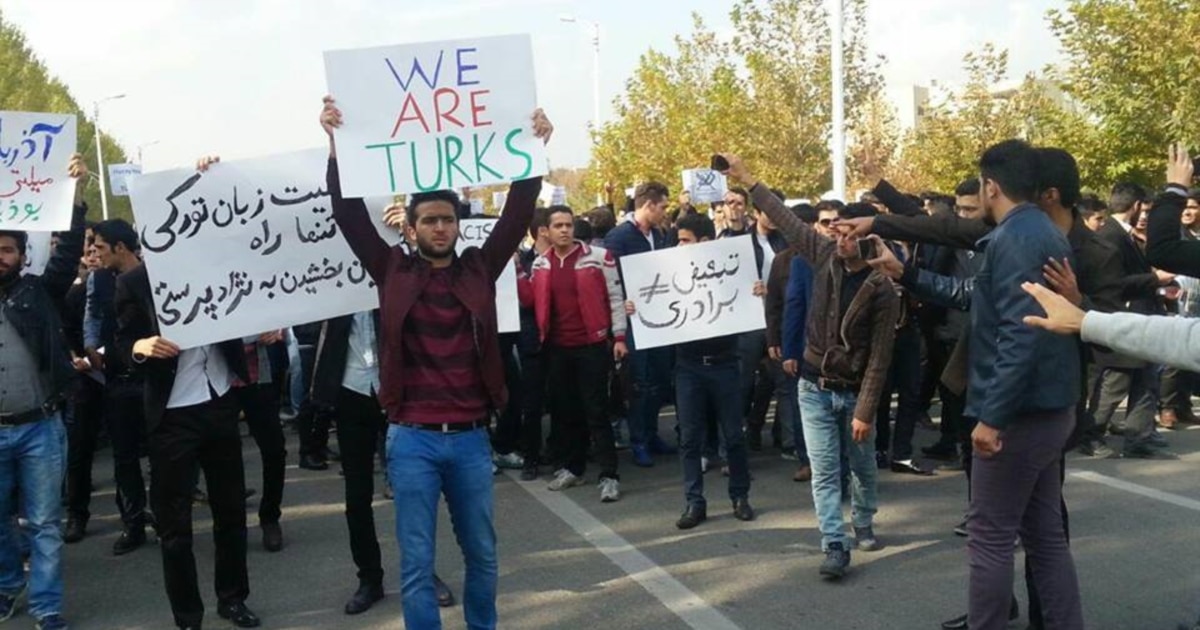
As Iranians marked August 1 — Azerbaijan Language Day — activists from the country’s large ethnic Azerbaijani community said the everyday space for their mother tongue has continued to shrink, despite hopes stirred by the election of Məsud Pezeşkian two years earlier. The assessment, voiced to AzadlıqRadiosu, highlights ongoing concerns about minority language rights and the limits of political change within Iran’s current system.
İşıq Sönməz, described in the report as an Iranian Azerbaijani activist and turkologist, told Radio Azadlıq that Azerbaijani language use is being steadily narrowed in public life. She emphasized that the issue goes beyond individual leaders and reflected the structural character of governance. "Pezeşkian təkbaşına heç bir iş görə bilməz. Məsələ sistem köklüdür, idarəçilik farslıq üzərində qurulub," she said, arguing that systemic arrangements rooted in Persian-centered administration limit what any single official can achieve.
Those remarks underscore the distinction many activists draw between the symbolic impact of political events — such as the election referenced in the coverage — and substantive, institutional change. While political developments can raise expectations among minority communities, activists say durable improvements for language rights require changes in how the state manages language, education and public administration.
The report does not list specific recent policy decisions or legal changes; rather, it reflects the perspective of community advocates who see a narrowing of Azerbaijani-language use in social and cultural spheres. Observances such as Azerbaijan Language Day serve as focal points for these concerns, drawing attention to language preservation, cultural expression and the broader question of minority rights within Iran.
Language rights and cultural recognition have long been sensitive issues in multiethnic states. In Iran, where Persian (Farsi) has long been the dominant language of government and public institutions, members of non-Persian-speaking communities have frequently called for expanded rights to education and media in their mother tongues. The comments by İşıq Sönməz in this report reiterate those demands while stressing the need for systemic reform rather than reliance on individual officeholders.
AzadlıqRadiosu’s coverage of Azerbaijan Language Day captures the sentiment of many Iranian Azerbaijanis who say the practical realities of language use and cultural expression have not changed in everyday life. The activist’s warning — that a single leader cannot unroot policies and structures perceived as favoring one cultural-linguistic group — frames the issue as one of institutional design and political will.
For rights advocates and observers, the persistent complaints about narrowing linguistic space raise questions about how minority-language demands might be addressed through legislation, administrative practices, education policy and media access. The report from AzadlıqRadiosu presents these concerns as current and ongoing within Iran’s Azerbaijani community, stressing that symbolic political shifts have so far fallen short of delivering the broader systemic reforms activists say are necessary.