Iran Says Pakistan-Brokered Diplomacy Has Reached a “Critical, Sensitive Stage” as U.S. Deadline Nears
Iran’s ambassador to Pakistan announced on social media that covert diplomatic efforts to halt the ongoing regional war are entering a “critical, sensitive stage,” praising Pakistan’s mediation. The declaration arrives as former U.S. President Donald Trump, who said he granted Iran a 10-day grace period, warned he is unlikely to extend that deadline, and Reuters reports Tehran has rejected a Pakistan-brokered ceasefire in favor of a sweeping 10-point counterproposal.
By Jim Hᴏft
1,018 views
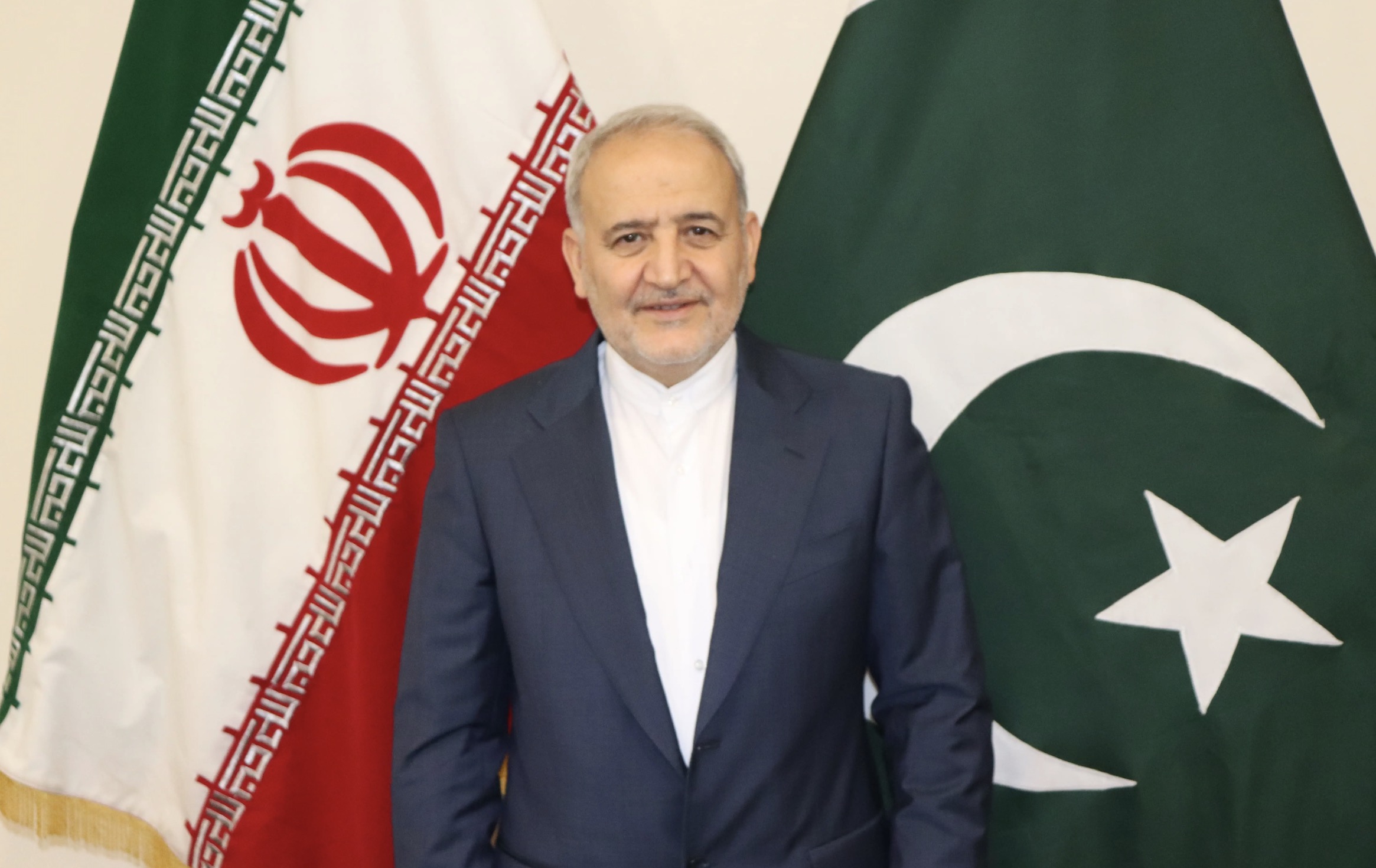
Iran’s ambassador to Pakistan said on April 7 that secret diplomatic efforts aimed at ending the region’s conflict are entering a “critical, sensitive stage,” signaling a potential turning point in mediation efforts led by Islamabad. Reza Amiri Moghadam, Iran’s ambassador in Islamabad, posted on social media: “Pakistan positive and productive endeavours in Good Will and Good Office to stop the war is approaching a critical, sensitive stage … Stay Tuned for more.”
Moghadam’s message praised Pakistan’s role as an intermediary in the talks and suggested that negotiations, conducted through diplomatic channels not previously disclosed, are advancing toward a consequential phase. Pakistan has positioned itself as a broker in recent weeks, seeking to mediate between Tehran and parties involved in the broader confrontation.
The ambassador’s remarks come against the backdrop of a public deadline set by former U.S. President Donald Trump. When asked whether he would extend the 10-day grace period he said he had granted the Iranian leadership at their request, Trump responded sharply. “HIGHLY unlikely. They’ve had plenty of time! In fact, they asked for 7 days, I said I gonna give you 10! But at the end of 10, ALL HELL is gonna break out if you don’t get things done,” he told reporters, indicating he would not be inclined to postpone the deadline.
According to reporting by Reuters, Iran has rejected a Pakistan-brokered ceasefire proposal and instead transmitted a 10-point counterproposal to the United States through Pakistani intermediaries. The counterproposal, as described by Reuters, contains broad and potentially contentious demands that would reshape regional security arrangements and the terms of any settlement.
Reuters’ account of the 10-point package includes calls for a full and permanent end to all hostilities; immediate lifting of U.S. economic sanctions; the establishment of a new regional “security framework”; guarantees for safe passage through the Strait of Hormuz; large-scale Western-funded reconstruction commitments; the removal of restrictions on Iran’s nuclear program; an end to constraints on ballistic missile development; the withdrawal of U.S. forces from key areas of the Persian Gulf; reparations for damages from recent strikes; and formal recognition of Iran’s role and influence across parts of the Middle East, including groups such as Hezbollah, the Houthis and Hamas. Reuters is the source cited for the list of demands.
Iran’s decision to decline the ceasefire proposal and advance a comprehensive counterproposal underscores the diplomatic complexity facing mediators. The demands, if taken at face value, would require substantial concessions from the United States and its partners and could alter longstanding policy positions on sanctions, regional security arrangements and Iran’s military and nuclear activities.
Officials in Islamabad, Tehran and Washington have not publicly released the full text of negotiations, and independent verification of all reported elements of the counterproposal is limited. Observers say the coming days will be critical in determining whether Pakistan’s mediation can bridge the gaps between the parties or whether the deadline signaled by the U.S. will presage renewed hostilities or further diplomatic escalation. The situation remains fluid, and diplomats and analysts will be watching for further statements from Pakistan, Iran and U.S. representatives as talks continue.